Antibiotic resistant superbugs kill 32 plane-loads of people a week. We can all help fight back
The Conversation, CC BY48 MB(download)
Antibiotic resistant infections already kill about 700,000 people globally every year. While scientists are racing to find new ways to fight superbugs, there's one thing you can do, too.
Prominent GP and former MP Kerryn Phelps has weighed into the doctor-pharmacist turf war, saying pharmacists shouldn’t prescribe because of their financial interests. But the evidence says otherwise.
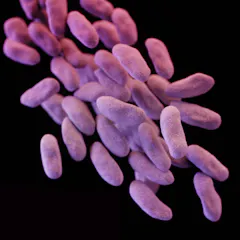
The CDC just released a list of bacteria and fungi that pose, or have the potential to pose, a serious health threat. Here are four strategies for curbing the rise of these superbugs.
A new report estimates that by 2050, 40 per cent of all infections will be resistant to antimicrobial treatment. This will directly cause 13,700 previously preventable deaths.
Resistance happens when bacteria change to protect themselves from an antibiotic.
shutterstock/Toey Toey
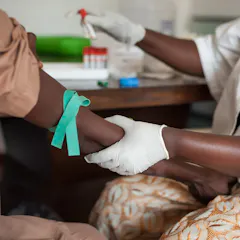
Healthcare workers in sub-Saharan Africa lack access to laboratory diagnostics and often have to guess which antibiotics to use for presumed infections.
Researchers have evidence of another method that bacteria use to avoid antibiotics.
Sirirat/Shutterstock
Many articles describe the rise of superbugs - bacteria that are resistant to antibiotic drugs - as inevitable. But society has the knowledge to stop the spread of these microbes.
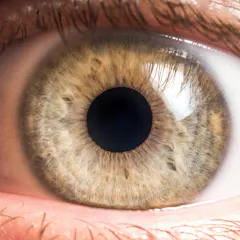
Just like the gut, the skin and the mouth, the eye also has a collection of microbes that keep it healthy. Understanding the eye microbiome may lead to new probiotic therapies.