
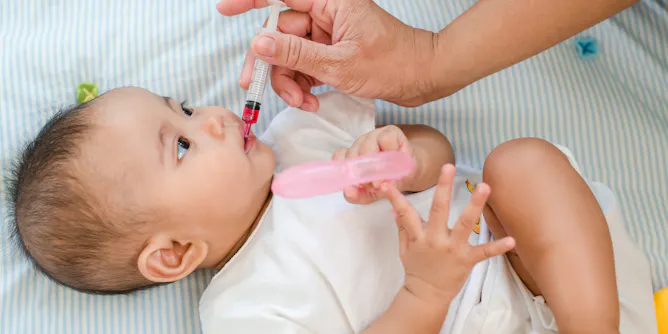
If you have a ten-month-old baby, what do you need to know? What do you need to ask your GP about the benefits and risks of antibiotics?
Articles on Antibiotics
Displaying 221 - 240 of 303 articles
Alexander Fleming discovered penicillin in 1928 and revolutionised the treatment of bacterial infections. Ever since then we have been searching for new antibiotics.
In the battle against superbugs, you’d be amazed where we might find the cures of the future.
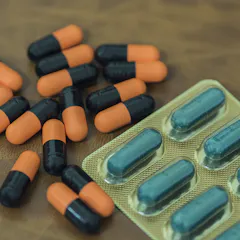
Doctors know that inappropriate prescribing can lead to antibiotic resistance. So why do they keep doing it?
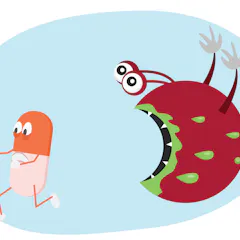
Antibiotic resistance happens when bacteria change in a way that prevents the antibiotic from working in its normal manner. There are several ways in which this can happen.
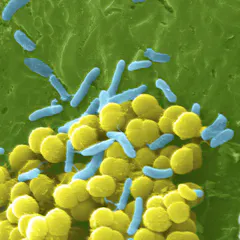
Panic has spread with the discovery of a bacterium in the United States that is resistant to the last bastions of antibiotic resistance.
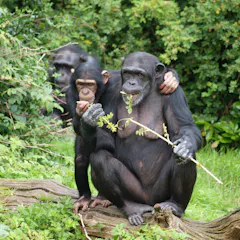
A number of monkey species eat rough leaves, soils and charcoal to treat or prevent diseases.

When the hugging had to stop: life in a post-antibiotic era.

Arguing about the pros and cons of fat in our diet takes the focus away from the real nutritional demon: processed foods.
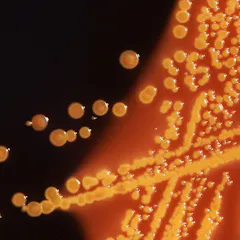
Here are highlights from The Conversation US’ coverage of antibiotics and how scientists are trying to combat resistant bacteria.
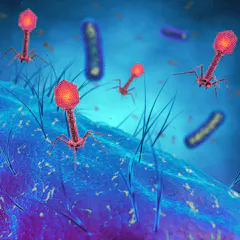
The virus that could cure antibiotic resistant infections.

Plague, one of the deadliest diseases in the world, has been reported in several African countries in the past decade.
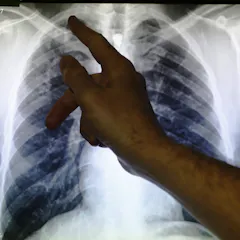
Many people in the U.S. have no idea that TB is still found here, or what a major health risk it poses in other parts of the world.

Quantum dots - minuscule semiconductor particles with specific light-absorption properties - can kill drug-resistant superbugs without harming the surrounding healthy tissue.
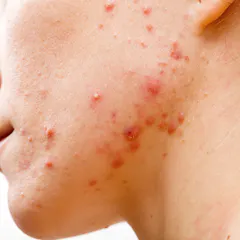
While antibiotics can kill the bacteria associated with acne, it’s their anti-inflammatory effects, not their antimicrobial effects, that yield the biggest skin-clearing benefits.

Harm doesn’t just come in the form of side-effects or further testing. The “cons” of any treatment also include the costs, which can be financial, emotional, and the costs of the individual’s time.
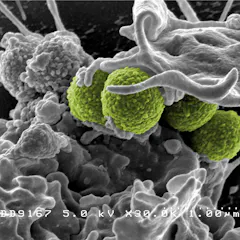
The evolutionary history of antibiotic resistance suggests it may be impossible to develop resistance-proof antibiotics so what are our other options?
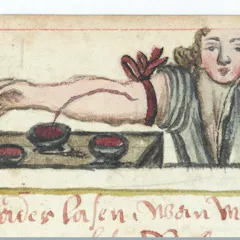
While some ancient therapies proved effective enough that they are still used in some form today, on the whole they just aren’t as good as modern antimicrobials at treating infections.

Yo-yoing between eating well during the week and bingeing on junk food over the weekend is likely to be just as bad for your gut health as a consistent diet of junk.
Doctors often tell patients to take a “course” of antibiotics, because a partially treated infection may result in relapse with antibiotic-resistant bacteria. But where this advice come from?
Top contributors
-

Senior Research Fellow, School of Medicine, The University of Western Australia
-
Professor of Infectious Diseases and Microbiology, Australian National University
-
Professor, The University of Queensland
-
Prof. Institute for Molecular Bioscience, The University of Queensland
-
Professor of Infectious Diseases, Monash University
-
Dean of the College of Science, Professor of Biochemistry, Rochester Institute of Technology
-
Senior Lecturer in Microbiology, Aston University
-
Professor of Biochemistry and Biomedical Sciences, McMaster University
-
Professor of Public Health, Bond University
-
Professor of Public Health, Newcastle University
-
Professor of Molecular Evolution, Macquarie University
-
Professor of Infectious Diseases, University of Cape Town
-
Professor at ANU Medical School; Senior Staff Specialist Infectious Diseases; General Physician, Australian National University
-
Director Of Medicine, The Maitland and Kurri Kurri Hospital, University of Newcastle
-
Assistant Professor, Johns Hopkins University