

We often think of antibiotic resistance in terms of humans, but it is actually a complex problem of interrelated factors including animal health, the environment and food production.
Articles on Antibiotics
Displaying 101 - 120 of 303 articles

Minocycline, a type of antibiotic, has had promising results in treating depression in both animals and humans.

Superbugs spread through the environment – and it needs urgent attention.

Many patients without a diagnosis of Lyme disease report a constellation of symptoms, sometimes for years. Does chronic Lyme disease exist?
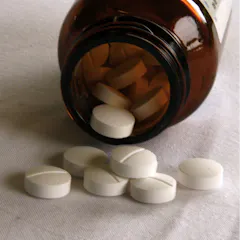
A CSIRO survey has found many people are confused about common infections, believing antibiotics can treat colds, flu and other viruses. This could fuel a dangerous rise in drug-resistant superbugs.
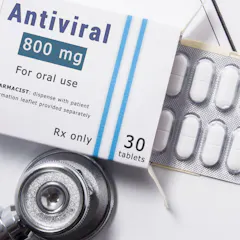
Finding drugs that treat the COVID-19 coronavirus may be just as important as developing a vaccine. But it’s much harder to create effective antivirals than antibiotics.
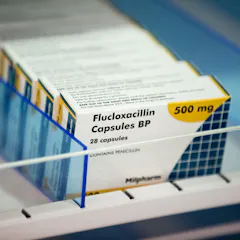
Half of all patients who died of COVID-19 in Wuhan had a secondary infection.
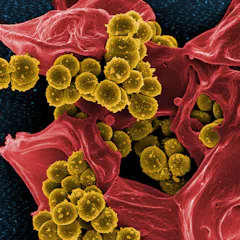
Antimicrobial resistance is a public health and economic disaster waiting to happen. If we do not address this threat, by 2050 more people will die from drug-resistant infections than from cancer.
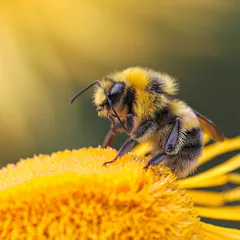
Humans obtain bacteria through the foods they eat. But how do bees collect bacteria that live in and on them? And where do they pick up these microbes?

That smell you detect after it rains is part of a chemical language between bacteria and animals.
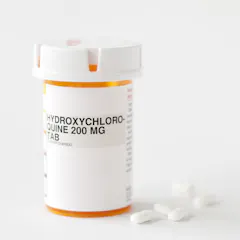
The president promoted the combination of hydroxychloroquine and an antibiotic for treating COVID-19. But a new study suggests it provides no benefits.
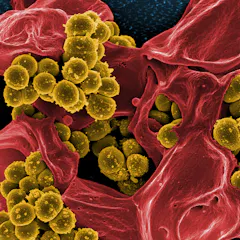
Pathogens rapidly evolve resistance to antibiotics. AI could keep us a step ahead of deadly infections.

An estimated £300m worth of medicine goes unused in the UK every year. But is it safe to take drugs past their expiry date?

New research finds taking antibiotics in early life is associated with an increased risk of obesity at age four. But that’s no reason not to give your child antibiotics if they really need them.

Antibiotics aren’t a one-size-fits-all treatment – the one you had last time might not work on the infection you have at the moment. So how do doctors determine which one is likely to work?

Lyme disease is the most common tick-borne disease in the West.

Prenatal and postnatal antibiotic exposure combined with oxygen treatment led to lung inflammation and altered immunity in a study in mice.
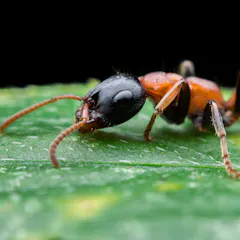
Leafcutter ants, Komodo dragons and even your nose are potential sources of new antimicrobial compounds.

Antibiotic resistance is one of the greatest health challenges we face today. But making a few small changes to the way antibiotics are prescribed could make a big difference in Australia.
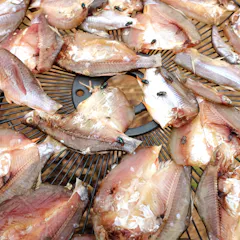
The presence of antibiotics in the environment poses a threat to global public health, food safety and human existence.
Top contributors
-

Senior Research Fellow, School of Medicine, The University of Western Australia
-
Professor of Infectious Diseases and Microbiology, Australian National University
-
Professor, The University of Queensland
-
Prof. Institute for Molecular Bioscience, The University of Queensland
-
Professor of Infectious Diseases, Monash University
-
Dean of the College of Science, Professor of Biochemistry, Rochester Institute of Technology
-
Senior Lecturer in Microbiology, Aston University
-
Professor of Biochemistry and Biomedical Sciences, McMaster University
-
Professor of Public Health, Bond University
-
Professor of Public Health, Newcastle University
-
Professor of Molecular Evolution, Macquarie University
-
Professor of Infectious Diseases, University of Cape Town
-
Professor at ANU Medical School; Senior Staff Specialist Infectious Diseases; General Physician, Australian National University
-
Director Of Medicine, The Maitland and Kurri Kurri Hospital, University of Newcastle
-
Assistant Professor, Johns Hopkins University