

Most online platforms appear free to use, but they are largely funded through advertising.
Articles on Advertising
Displaying 21 - 40 of 474 articles
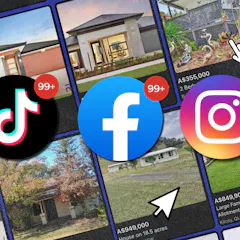
Social media has changed the game for real estate advertising. But it creates new risks we need to manage carefully.

Different types of alcoholic beverages elicit symbolic cues that can influence the choices a person makes about consumption.

Australian health authorities have been encouraging ‘no hat no play’ for 100 years.

As ChatGPT moves toward ads, fears about manipulation are rising. But if designed well, advertising inside AI could help fund access while making shopping easier.

When times are tough, household brands and consumer rituals provide a source of comfort, reaffirming family identity and a sense of togetherness.

By openly saying, ‘This isn’t for you,’ brands signal focus and specificity. That helps the right customers feel a stronger connection.

New regulations target the product but not the brand.

Sunscreen shields us from UV rays, but its ads sell perfection, not just protection.

AI wants to get to know you better, and then sell to you.
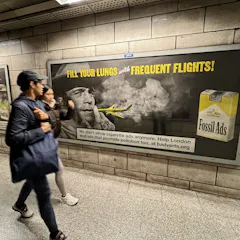
Across the UK and Europe, campaign groups are pushing for limits on fossil-fuel ads in public spaces. But even counter-climate ads can trigger fatigue.

According to advertisers, at least, as soon as Halloween is over, the spirit of the bauble-decorated trees takes hold and overwhelms us with the urge to spend money.

Festive advertising is often designed around things that sparkle.

From AI slop to rage bait, to the cryptic ‘6-7,’ this year’s slate captures a growing sense that online life is flooded with fakery, frustration and meaninglessness.

What does creativity mean when machines can generate entire advertising campaigns?

Nonprofit news outlets face pressure to find new sources of revenue from their funders.

Only 9% of plastics ever made have been recycled. Clever industry campaigns have shifted the costs of their own waste onto consumers.

Businesses spend heavily to secure the spot on your social media feed, and that investment has to be recouped.

For decades, banks have presented themselves as leaders in sustainability. Yet, their outsized digital carbon footprints tell a different story.

We asked five academics with expertise in sexual health, nutrition, psychiatry, bioethics and drug policy. Here’s what they said.
Top contributors
-

Director of Undergraduate Studies, School of Journalism, Media and Cultural Studies, Cardiff University
-
Associate Professor in Marketing, Director Centre for Organisations and Social Change, RMIT University
-
Professor, University of Technology Sydney
-
Senior Lecturer at Westminster School of Media and Communication, University of Westminster
-
Director of UWA Centre for Software Practice, The University of Western Australia
-
Senior Lecturer in Marketing and Advertising, University of Portsmouth
-
Professor of Marketing and Consumer Behaviour, Queensland University of Technology
-
Emeritus Professor of Marketing, University of Birmingham
-
Lecturer in Marketing, Research School of Management, Australian National University
-
Senior Lecturer in Marketing, University of Nottingham
-
Lecturer in Politics, The University of Melbourne
-
Professor of AfroEurasian Sport, EM Lyon Business School
-
Associate Professor of Marketing, Tasmanian School of Business and Economics, University of Tasmania
-
Associate Professor of Marketing, Dalhousie University
-
Professor of Technology & Society, Bangor University