
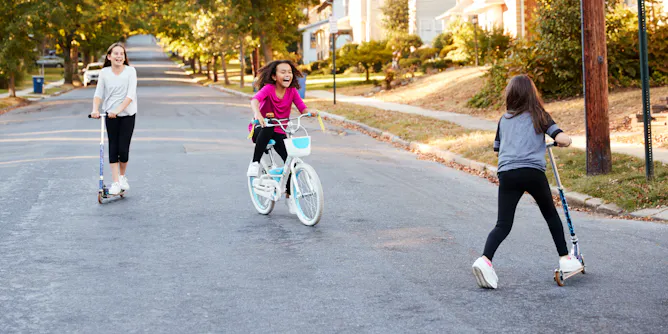
School streets close roads to motor traffic when children arrive at and leave school.
Articles on Active transportation
Displaying 41 - 60 of 66 articles
If we’re to get more people walking and cycling in our cities, then we need to make it easier for people, and we can learn from others overseas.

New bike lanes are a good idea for health and air quality, but the convenience of car travel for most journeys will remain.
Living near green spaces, or growing up in a deprived neighbourhood, were both linked to higher fitness levels among teens.
Investing more in cycling and walking would boost both physical and economic health, with a typical return of $5 for every $1 spent on cycling infrastructure.
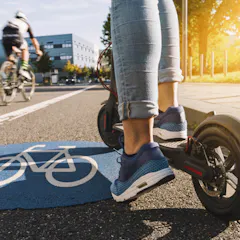
E-scooters from share schemes will be legal on roads in England, Scotland and Wales from July 4.
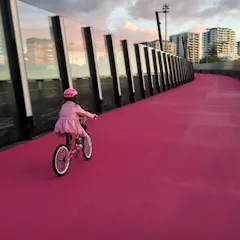
The drop in traffic during COVID-19 lockdowns reduced global emissions. If we keep encouraging cycling and working from home beyond the pandemic, our climate goals may become more achievable.

An inclusive curriculum based around fitness and not sport might hold the answer to a more active nation.
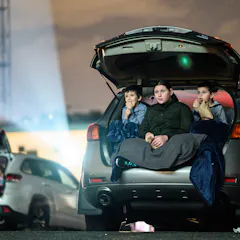
The pandemic has forced many people to shift from public transport to car travel. But is this likely to be permanent?
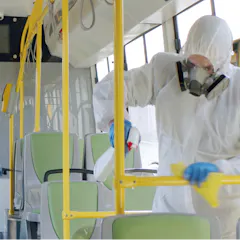
Some new habits we’ve seen emerging during the pandemic could help us solve tricky problems like traffic congestion, which have challenged our cities for a long time.
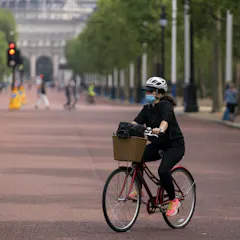
As lockdowns ease off, there is a danger that the old city traffic jams will soon be back with a vengeance.

Temporary and tactical urbanism offers simple, low-cost solutions to make streets and other public spaces both safe and sociable during this time of physical distancing.
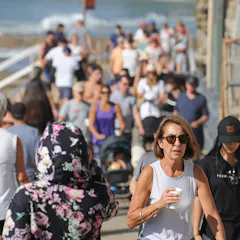
COVID-19 has upturned uses of public spaces that we took for granted. Will shifts in the regulation of these spaces lead to a change in thinking about who “owns” the city?
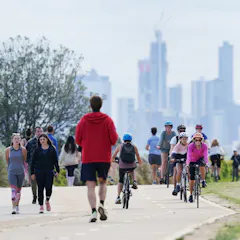
We’ve all seen the increases in people walking and cycling on shared paths so crowded it’s almost impossible to maintain physical distancing. This must be fixed, and quickly.

We are all finding out about neighbourhood liveability as we stay home for the coronavirus lockdown. What we learn about local strengths and weaknesses can help us improve our communities in future.
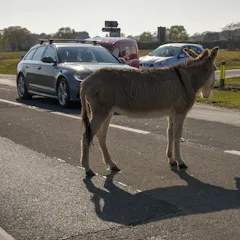
Transport Secretary Grant Shapps has called for fewer cars and better public transport.
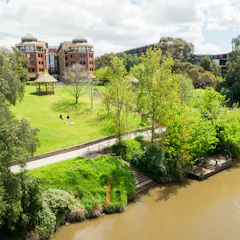
Only the inner suburbs of Melbourne and other capital cities meet the 20-minute neighbourhood test. But we could transform the other suburbs for much less than the cost of current transport projects.
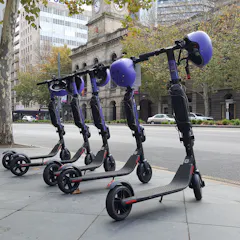
Are debates about e-scooters too narrow? Perhaps it is time to focus more on revitalising urban spaces and retrofitting road infrastructure.
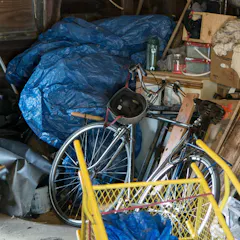
Where bikes are kept is a strong pointer to the place of cycling in the owner’s life. Effective active transport policy starts with understanding what stops people using their bikes instead of cars.
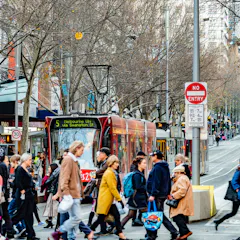
A newly released ten-year plan for Melbourne aims for fewer cars, safer streets and more shared spaces. A significant amount of parking and road space would be reallocated to walking and cycling.
Top contributors
-

Professor of Transport Technology and Sustainability, Swinburne University of Technology
-
Adjunct Research Fellow, School of Human Sciences, The University of Western Australia
-
Associate Professor in Urban Planning, The University of Queensland
-
Professor Communications and Media, University of Canberra
-
Lecturer and Programme Leader, BA International Tourism and Events Management, Glasgow Caledonian University
-
Senior Lecturer in Urban Planning, University of Auckland, Waipapa Taumata Rau
-
Research Fellow in Urban Studies, University of Salford
-
Research Fellow in Active Travel Interventions, University of Westminster
-
Distinguished Professor and Director, Urban Futures Enabling Capability Platform, and Director, Healthy Liveable Cities Group, RMIT University
-
Lecturer, UNSW
-
Professor of Cultural Studies, University of Wollongong
-
Professor of Geography, University of Wollongong
-
Professor of Transport and Health, Edinburgh Napier University
-
Professor of Human Geography, University of Canterbury
-
Honorary Professor of Transport Studies