
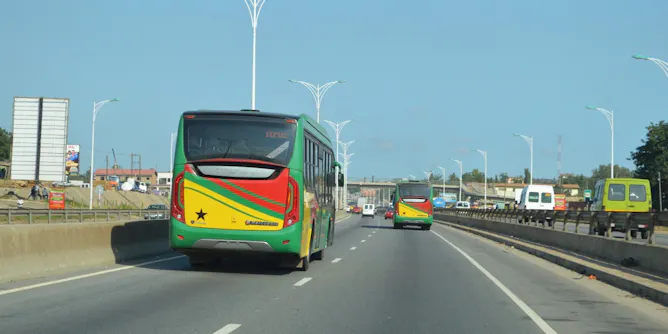
As cities grow, it would be better to have more efficient, higher-capacity transport than more vehicles on the road.
Articles on Urban transport
Displaying 1 - 20 of 101 articles
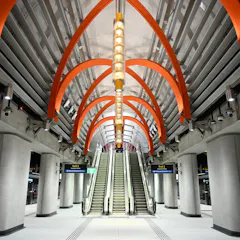
Melbourne’s rail network will feel the improvements immediately, but experience from Sydney and elsewhere shows changes in travel behaviour will take time.
Shared e-scooters are much more regulated and monitored than privately owned e-scooters, which are likely to pose greater risks as a result.
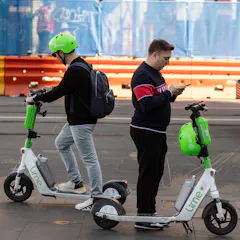
The parking of e-scooters is a source of fierce debate, but technology offers a solution to control the problem.
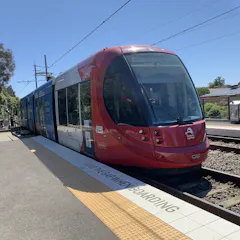
Between them, the Queensland and ACT trials of almost free and free public transport could change how fares are set in Australia.
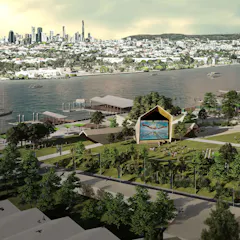
Brisbane is aiming to be the first Olympic Games host to make carbon savings greater than the emissions the event produces. That’s easier said than done, so what’s the plan to achieve this goal?
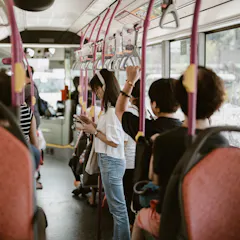
The surge in online purchases is increasing parcel delivery traffic and emissions. One solution is to take advantage of the trips people are already making to get parcels to their destinations.
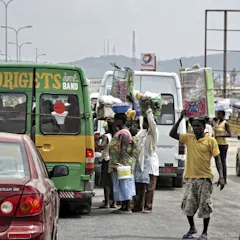
Walking is a common way of getting around in most African cities

Low-income customers who qualify for subsidised rates are five times more likely to use shared e-scooters and e-bikes for daily travel. People with disabilities also value them.
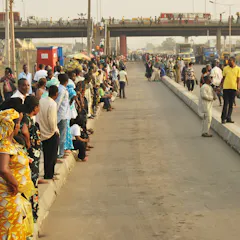
An improved public transport system and mapping of hotspots by law enforcement agencies would reduce susceptibility to crime in Lagos, Nigeria.
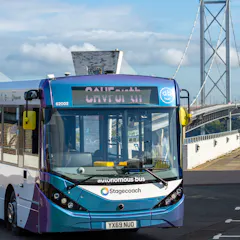
Amid bus route cuts and rail strikes, can the answer to our future public transport needs be found in the hi-tech prototypes being trialled around the UK?

Brisbane was the first Australian city to accept rideshare e-scooters. After some growing pains, residents, visitors and the city itself are enjoying the benefits, a new study finds.
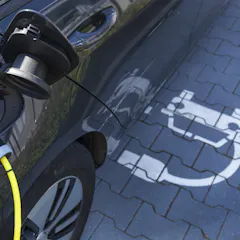
Illinois passed the latest law requiring new apartment buildings to be wired for EV chargers. Now apartment communities are figuring out the best ways to make shared charging work for everyone.

Ensuring public transport vehicles comply with the laws on disability access is just the tip of the iceberg. Access issues across the transport system point to the need for on-demand services.
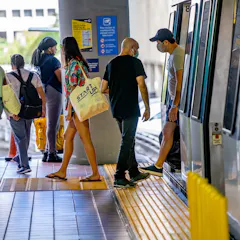
Around the world, very few public transport agencies make money, while ride-sharing companies are making huge losses. So why partner up, and how do those partnerships work?
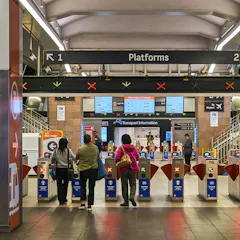
Given the numbers of people who travel between Sydney and Melbourne, it’s time for greater integration of public transport payment systems.
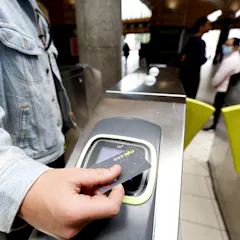
The Victorian government has announced it is replacing the state’s public transport ticketing system. So what essential features should a state-of-the-art system offer users?
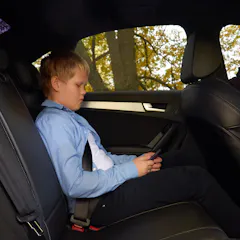
Uber is eyeing a service to take children wherever their parents would otherwise have to drive them themselves. Some might see it as a lifesaver, but it’s problematic for many reasons.
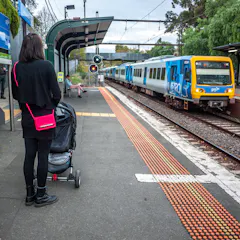
The layouts of our cities and their transport systems were not planned with women in mind. Inflexible services and inconveniently located schools, childcare and workplaces pose daily challenges.
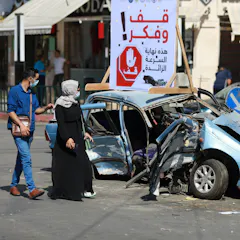
Traffic crashes kill and injure millions worldwide every year and are a major drain on economic development. Improving road safety would produce huge payoffs, especially in lower-income countries.
Top contributors
-

Honorary Professor of Planning, The University of Queensland
-
Professor of Sustainability, Curtin University
-
Professor of Transport Technology and Sustainability, Swinburne University of Technology
-
Adjunct Researcher, Cities Research Institute, Griffith University
-
Associate Professor in Urban Planning, The University of Queensland
-
Transport and Cities Program Director, Grattan Institute
-
Senior Research Fellow, Cities Research Institute, Griffith University
-
Adjunct Professor, Institute of Transport and Logistics Studies, University of Sydney Business School, University of Sydney
-
Assistant Professor, National Yang Ming Chiao Tung University, Taiwan, Griffith University
-
Adjunct professor, School of Media and Communications, RMIT University
-
Professor of City Planning and Transport, Curtin University
-
Honorary Senior Fellow in Transport Planning, The University of Melbourne
-
Associate Professor of Urban Planning, The University of Melbourne
-
Professor and Head of the School of Civil and Environmental Engineering, UNSW
-
Senior Research Fellow, Curtin University