
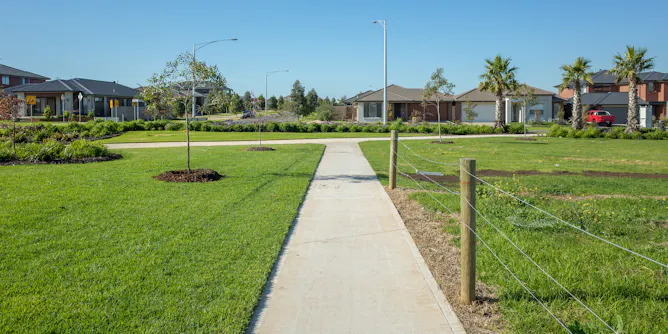
Shade, street furniture, streetscapes – they all matter when it comes to making a footpath appealing.
Articles on Active transportation
Displaying 21 - 40 of 66 articles
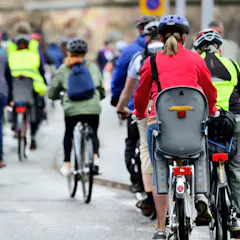
The bicycle’s capacity to respond to pressing social issues has inspired both intrigue and optimism, especially in the context of COVID-19.
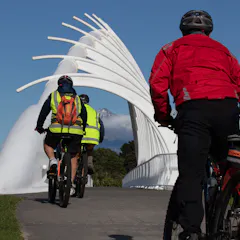
Transport planners estimate money spent on high-quality cycling infrastructure yields benefits between ten and 25 times the costs.
We’re lagging behind on the shift to electric vehicles and clean transport. Here’s what we need to do.
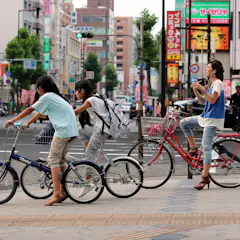
Women in cities tend to get more walking done, which is beneficial to both their health and the climate. Making streets safer for cycling would give them greater access to cities too.
Changes to the Highway Code have created a hierarchy of road users, prioritising the most vulnerable.
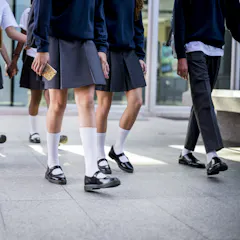
Debating whether school uniforms are good or bad sidesteps a bigger issue: students – especially girls – need better designed garments that support their learning and well-being.

Most people continue using their car because it’s convenient, but few consider the full cost of depreciation and maintenance. Carbon dioxide emissions rarely factor in people’s choice of transport.
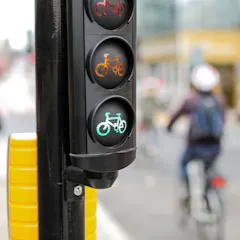
London was rated 2021’s most congested city.
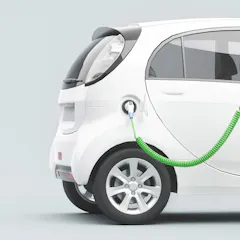
Electric cars are hailed as the best way to cut transport emissions, but it’s an illusion to think we can reduce our environmental impact without changing the way we design and move about in cities.

When it comes to ring roads, Birmingham has a poor track record. Can the city’s new transport plan buck that trend and benefit both its inhabitants and the environment?

New research suggests gamifying neighbourhoods could encourage people to travel more actively.

The pandemic ushered in a renaissance of outdoor living. We need to advance the momentum for outdoor play to support the health and development of children

While the road toll has come down over the decades, it’s largely a result of fewer car occupants dying. Pedestrian deaths have barely changed for a decade, but they remain a road safety blind spot.
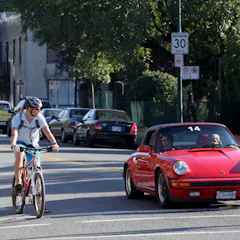
Cities around the world are reducing traffic speeds and improving access to local services and activities by public transport, cycling and walking. They are now reaping the many ‘slow city’ benefits.
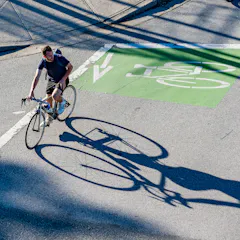
Active travel can help tackle the climate crisis earlier than electric vehicles – even if you swap the car for a bike for just one trip a day.

The need for social distancing sparked a cycling boom, cutting air pollution and boosting city dwellers’ mental and physical health. But when the pandemic ends, will it be back to life as usual?
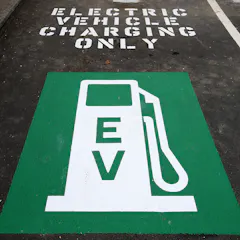
Emissions from road transport in New Zealand have doubled since 1990, and the Climate Change Commission recommends sweeping changes to switch to electric transport options.

Valuing children’s views could lead to better urban space for everyone.

Active travel has become attractive to a degree not seen for decades. Policy needs to follow.
Top contributors
-

Professor of Transport Technology and Sustainability, Swinburne University of Technology
-
Adjunct Research Fellow, School of Human Sciences, The University of Western Australia
-
Associate Professor in Urban Planning, The University of Queensland
-
Professor Communications and Media, University of Canberra
-
Lecturer and Programme Leader, BA International Tourism and Events Management, Glasgow Caledonian University
-
Senior Lecturer in Urban Planning, University of Auckland, Waipapa Taumata Rau
-
Research Fellow in Urban Studies, University of Salford
-
Research Fellow in Active Travel Interventions, University of Westminster
-
Distinguished Professor and Director, Urban Futures Enabling Capability Platform, and Director, Healthy Liveable Cities Group, RMIT University
-
Lecturer, UNSW
-
Professor of Cultural Studies, University of Wollongong
-
Professor of Geography, University of Wollongong
-
Professor of Transport and Health, Edinburgh Napier University
-
Professor of Human Geography, University of Canterbury
-
Honorary Professor of Transport Studies