
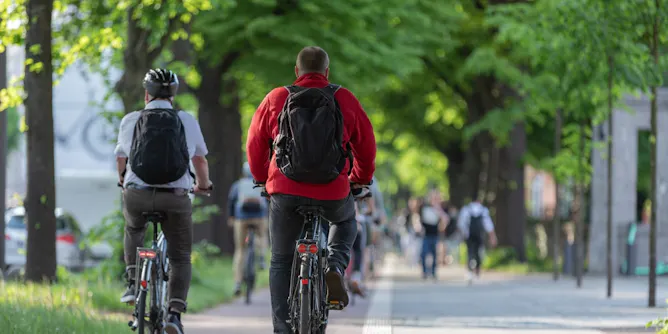
Research suggests that more consultation about cycle lanes would bring more support for them.
Articles on Active transportation
Displaying 1 - 20 of 66 articles

Should cyclists be allowed to treat stop signs as yield signs? This rule from Idaho is divisive, but the scientific data is surprising.
Unless transport emissions are tackled head-on, Australia’s new climate target cannot be met.
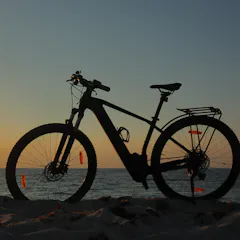
Conquering hills, commuting without a sweat and carrying cargo – e-bikes encourage more people to get out of their cars.
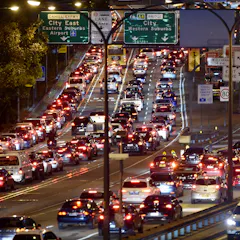
Expanding freeway networks undermines climate action. It points to a deep-seated flaw in Australia’s urban planning systems which must be solved.
Electric car discounts are too meagre to help the low-paid and car-dependent.

Hot sunny days can make footpaths, bike lanes and city streets unbearable. If we want people to ditch the car, we’re going to need more trees, research shows.
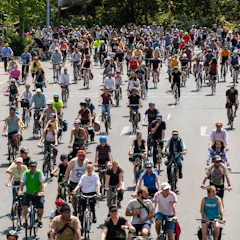
Every kilometre cycled in France saves around one euro in healthcare costs, according to a recent analysis of decennial mobility survey.
The number of deaths on Australian roads has been increasing steadily year after year. It’s unacceptable not to act on the evidence of what works to boost road safety.
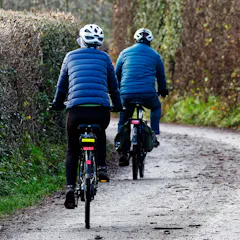
Research shows that rain and hilly terrain doesn’t put people off e-bikes.
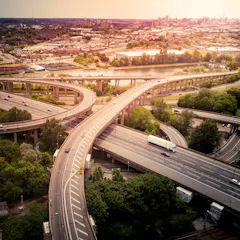
Conspiracy theories about urban planning are born of a national context in which public transport provision is failing
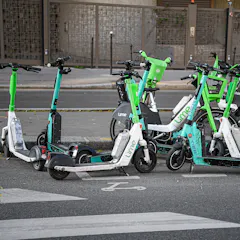
Most e-scooter users don’t actually know what the law says about right-of-way, speed limits and proper parking– or that you are required to have at least a provisional driving license.

Rail has long been hailed as the cleanest means of public transport. HS2’s demise will undermine the UK’s ability to improve its rail infrastructure and potentially lead to greater inequality.
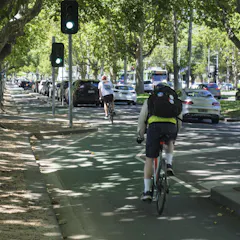
Early in the pandemic, when there was much less traffic on the roads, people took to their bikes. But since then, fewer people are cycling, with rates now lower than in 2011.
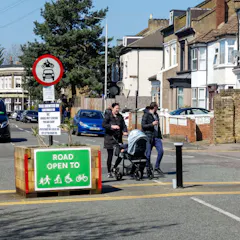
LTNs were introduced to UK cities to create a more pleasant environment for pedestrians and cyclists - but they’ve become controversial.
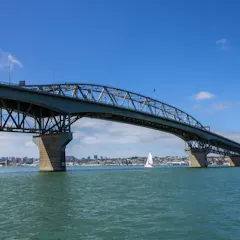
The original plans for Auckland’s harbour bridge included tolled cycle lanes. A version of that is a better plan than the second crossing options now on offer.
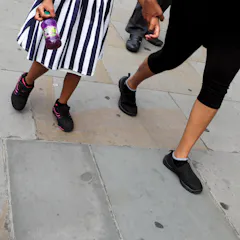
Children do not always need to be independent or unsupervised to gain in autonomy and a sense of control. Just being able to walk around expands their world.
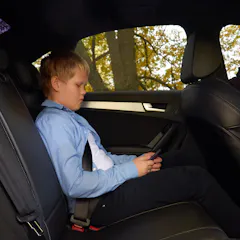
Uber is eyeing a service to take children wherever their parents would otherwise have to drive them themselves. Some might see it as a lifesaver, but it’s problematic for many reasons.
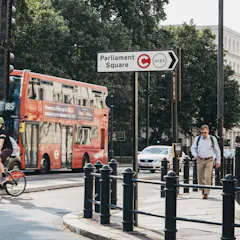
To achieve radical improvements in air quality, the ULEZ expansion must be coupled with better public transport and more spaces for pedestrians.

Children and teens around the world are not moving enough for healthy growth and development. Aotearoa scores only slightly better than the global average, despite a high uptake of school sports.
Top contributors
-

Professor of Transport Technology and Sustainability, Swinburne University of Technology
-
Adjunct Research Fellow, School of Human Sciences, The University of Western Australia
-
Associate Professor in Urban Planning, The University of Queensland
-
Professor Communications and Media, University of Canberra
-
Lecturer and Programme Leader, BA International Tourism and Events Management, Glasgow Caledonian University
-
Senior Lecturer in Urban Planning, University of Auckland, Waipapa Taumata Rau
-
Research Fellow in Urban Studies, University of Salford
-
Research Fellow in Active Travel Interventions, University of Westminster
-
Distinguished Professor and Director, Urban Futures Enabling Capability Platform, and Director, Healthy Liveable Cities Group, RMIT University
-
Lecturer, UNSW
-
Professor of Cultural Studies, University of Wollongong
-
Professor of Geography, University of Wollongong
-
Professor of Transport and Health, Edinburgh Napier University
-
Professor of Human Geography, University of Canterbury
-
Honorary Professor of Transport Studies