
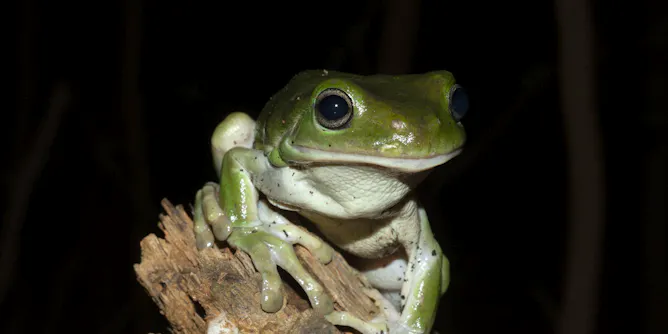
It’s typically rare to see a dead frog. Yet, we’ve received a flurry of emails from people coming across them in this truly unusual, and tragic, mass death event.
Articles on Wildlife conservation
Displaying 141 - 160 of 571 articles
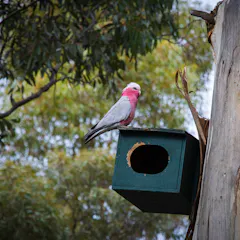
New research reviewed more than 200 studies, and found the science underpinning artificial refuges — think nest boxes and artificial burrows — must be improved.
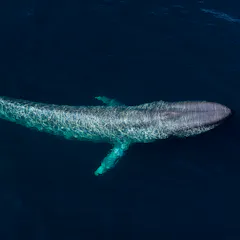
There have been just six verified sightings of the pygmy blue whale off Sydney in 18 years. Rare sightings like these are crucial, because the giants are considered ‘data deficient’.
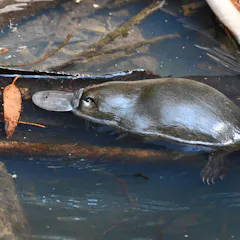
The Convention on Biological Diversity aims to achieve a world “living in harmony with nature”. This won’t happen if the plan goes ahead in its current form.
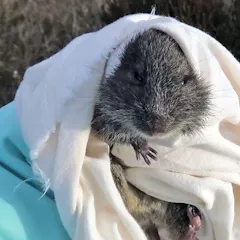
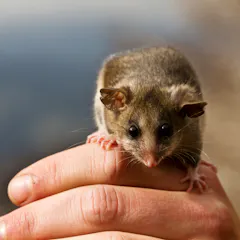
The broad-toothed rat rarely, if ever, gets its own story, so I want to introduce you properly to this fascinating, unique and beautiful species. It really needs our help.
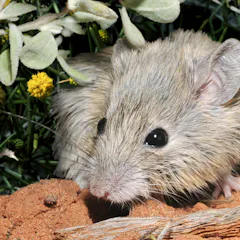
The remaining populations are threatened by a lack of genetic diversity, which makes them less likely to bounce back from new pressures such as climate change.
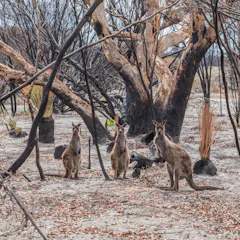
Australia has one of the worst track records in the world for species extinctions. The federal government’s proposed changes could weaken our already inadequate environment law.
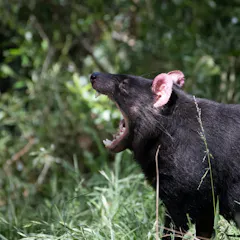
Tassie devils are notorious scavengers, eating everything from echidnas to stranded whales. Understanding how their teeth wear down can help us feed and protect captive populations.

For phascogales, tree hollows are getting harder to find. I venture into forests and study how well artificial hollows made with chainsaws can replace them.
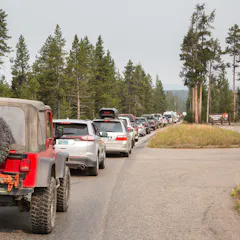
It’s hard to preserve national parks “unimpaired,” as US law directs, when they’re overrun with tourists who stray off paths, strew trash and harass wildlife. A parks scholar calls for crowd control.
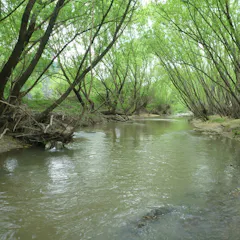
For temperature-sensitive animals, the dense, leafy canopy of willow trees may make them the lesser of two evils in a warming climate.

Timber company VicForests won its appeal last week and logging is set to resume. Let’s take a look at the dramatic implications for wildlife and the law.

Many threatened plant species aren’t being targeted for conservation. Identifying which are closest to being lost forever is the first step to protect them.
One mammal, the long-tailed planigale, can weigh less than a 10-cent coin. But it’s ferocious, bringing down far larger prey with persistent, savage biting to the head and neck
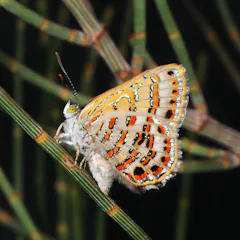
There’s still a very good chance of recovery for most of these species, but only with new targeted conservation effort.
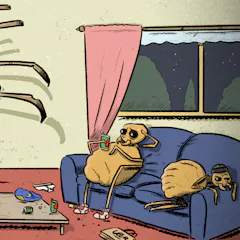
Yellow crazy ants are one of the world’s worst invasive species. And it turns out they have unique systems of reproduction that make life in the queendom more complicated than we realised.
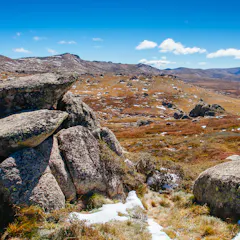
Victoria’s plan has flaws, but it’s still likely to bring the feral horse problem under control, and will do a lot better than the very low benchmark set by NSW.
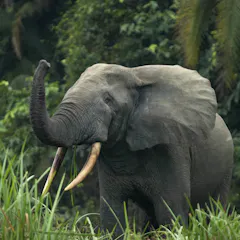
A new review of the status of African elephants finds scientific grounds for dividing them into two species, and reports that both have suffered drastic population declines since 1990.
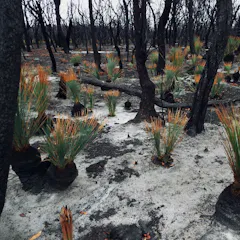
Community scientists have been photographing animals and plants in the months after the Black Summer fires. Each observation is a story of survival against the odds, or of tragedy.
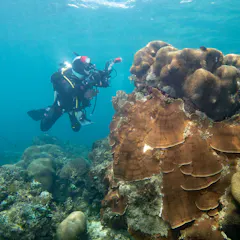
I helped survey coral reefs in Norfolk Island for the first time in eight years, and snapped marine life we didn’t expect to see there.
Top contributors
-

Professor in Wildlife Ecology and Conservation, School of Life & Environmental Sciences, Deakin University
-
Lecturer in the School of Applied Sciences, Edinburgh Napier University
-
Distinguished Research Professor and Australian Laureate, James Cook University
-
Professor of Wildlife Conservation, University of Salford
-
Honorary Research Fellow, University of Sydney
-
Professor of Conservation Biology, Charles Darwin University
-
Professor in Terrestrial Ecology, Deakin University
-
Professor in Ecology, Charles Sturt University
-
Professor in Conservation Science, School of the Environment, The University of Queensland
-
Professor of Environmental Management, The University of Queensland
-
Professor of Conservation and Sustainable Livelihoods, Charles Darwin University
-
Distinguished Professor of Ecology, Fenner School of Environment and Society, Australian National University
-
Professor in Biodiversity and Conservation, The University of Queensland
-
ARC Future Fellow, Queensland University of Technology
-
Professor of Conservation Science, University of Newcastle