
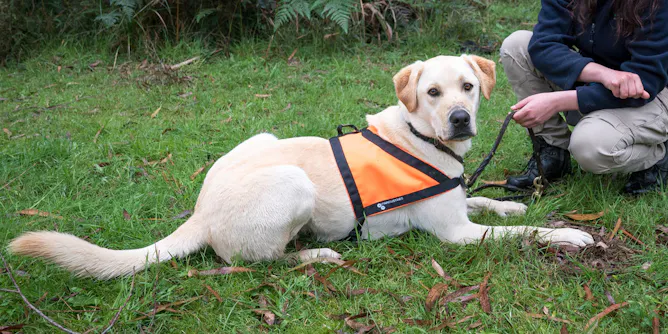
Moss is part of an elite squad of detection dogs that will locate threatened species in the wild and help endangered species breed in captivity.
Articles on Wildlife conservation
Displaying 201 - 220 of 570 articles
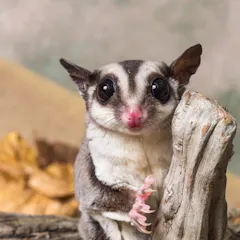
The sugar glider is an icon of the Australian bush. But discovering it’s actually three distinct species has big consequences for its conservation.
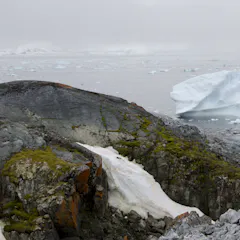
Protecting the continent’s remaining pristine wilderness areas is urgent, but achievable.
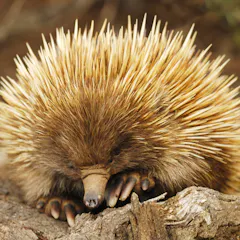
Six months ago fires ravaged Australia, exacerbating our already dire biodiversity crisis. These are the animals and plants still suffering 6 months on.
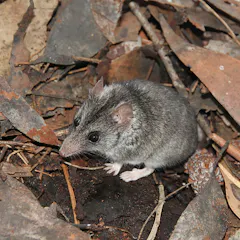
The Kangaroo Island dunnart was listed as critically endangered before fires ripped through 95% of its habitat. Those that survived the fires now face the threat of feral cats.
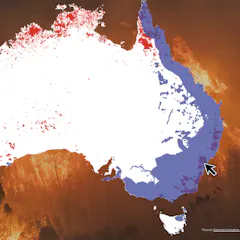
Last summer, Australia’s wildlife burned in one of our country’s worst bushfires. So what’s become of animal and plant survivors in the months since?
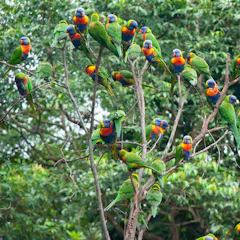
In April, BirdLife Australia survey numbers jumped to 2,242. That’s a tenfold increase from 241 in April last year.
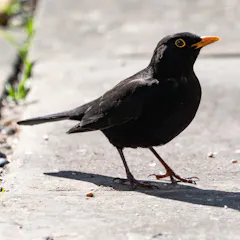
My research into Britain’s birds found 77% of species varied in abundance around roads.
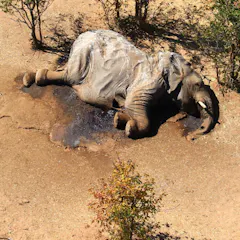
The death toll stands at nearly 400 elephants of both sexes and all ages.
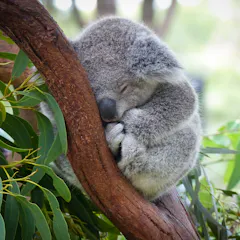
The Berejiklian government must step up to the challenge of saving koalas in NSW from their predicted fate: extinction in the wild by 2050.
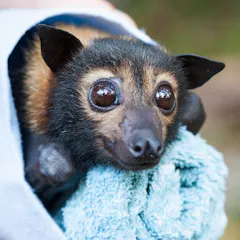
Up to 8,000 spectacled flying-foxes, around 12% of the species’ population, will be forced to leave their home in central Cairns.
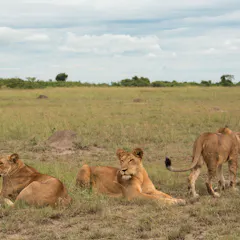
A new study evaluates what South African landowners who run trophy hunting operations would do in the event of a hunting ban.
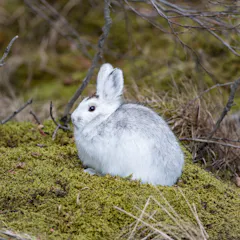
As snow melts and landscapes change, there will be winners and losers.
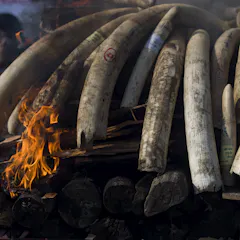
In the 1800s, Americans hunted many wild species near or into extinction. Then in the early 1900s, the US shifted from uncontrolled consumption of wildlife to conservation. Could Asia follow suit?
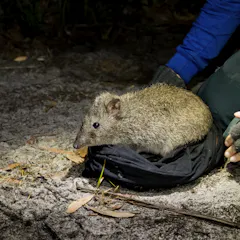
If long-nosed potoroos can co-exist with one of the world’s most deadly predators, then it’s time we rethink our conservation strategies.
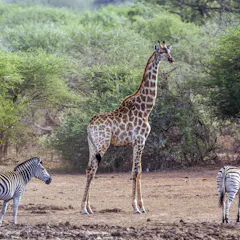
If South Africa’s proposed Meat Safety Act gets passed in its present form it opens up the possibility of massive consumption of wildlife.
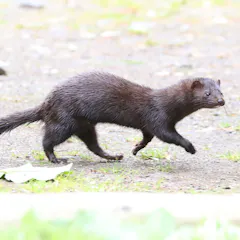
Our research investigated 900 ‘alien’ species across almost 200,000 protected areas worldwide.

As climate change increases the frequency and scale of bushfires, our models suggest the habitats in Victoria’s Central Highlands may be hard to come by.

Statistical models and the knowledge of on-the-ground rangers are valuable and complementary sources of evidence for biodiversity conservation.
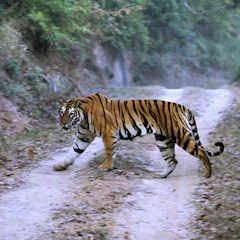
A new study forecasts that thousands of miles of new road construction will cut through tiger habitat across Asia by 2050. Planning can make these projects more tiger-friendly.
Top contributors
-

Professor in Wildlife Ecology and Conservation, School of Life & Environmental Sciences, Deakin University
-
Lecturer in the School of Applied Sciences, Edinburgh Napier University
-
Distinguished Research Professor and Australian Laureate, James Cook University
-
Professor of Wildlife Conservation, University of Salford
-
Honorary Research Fellow, University of Sydney
-
Professor of Conservation Biology, Charles Darwin University
-
Professor in Terrestrial Ecology, Deakin University
-
Professor in Ecology, Charles Sturt University
-
Professor in Conservation Science, School of the Environment, The University of Queensland
-
Professor of Environmental Management, The University of Queensland
-
Professor of Conservation and Sustainable Livelihoods, Charles Darwin University
-
Distinguished Professor of Ecology, Fenner School of Environment and Society, Australian National University
-
Professor in Biodiversity and Conservation, The University of Queensland
-
ARC Future Fellow, Queensland University of Technology
-
Professor of Conservation Science, University of Newcastle