
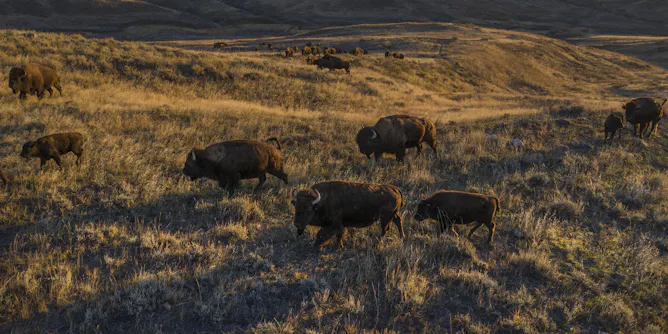
Governments and wildlife advocates are working to protect 30% of Earth’s lands and waters for nature by 2030. An ecologist explains why creating large protected areas should be a top priority.
Articles on Wildlife conservation
Displaying 81 - 100 of 570 articles

Machine learning may not seem to have much connection with wildlife, but it’s starting to play a central role in bird conservation.
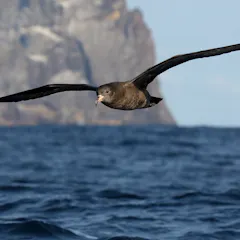
Many marine animals, birds and fish are ingesting plastic. New research identifies the first named health effect from it.

Our research looked at data from the government’s annual baking competition. Upon close analysis, we find a dangerous lack of diversity and biases towards cute, cuddly mammals.
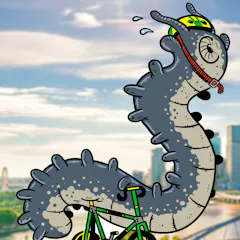
From a ‘worm’ that shoots deadly slime from its head, to a blind marsupial mole that ‘swims’ underground, let’s take a look at three leading candidates (plus 13 special mentions).

These bears cannot be released into the wild, so sanctuaries are being built.
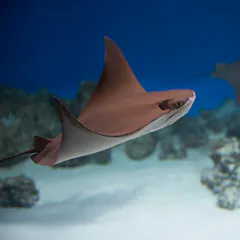
The tragic death of Steve Irwin in 2006 gave stingrays a reputation for being dangerous. But stingray-caused deaths are incredibly rare.
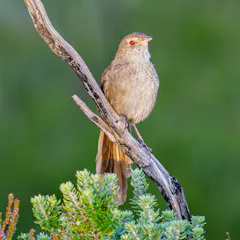
But here’s why this seemingly unremarkable bird could save other, less obvious species from devastation.
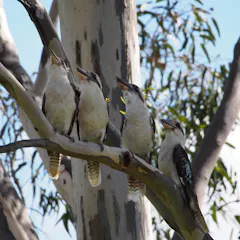
The planet is entering its sixth mass extinction event. This global nature summit is our best change to stop this tide of destruction.
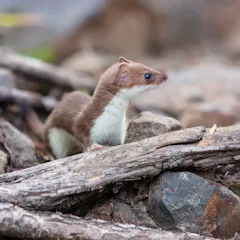
Polar bears and wolves may get the glory, but small predators like weasels, foxes and their cousins play outsized ecological roles. And many of these species are declining fast.
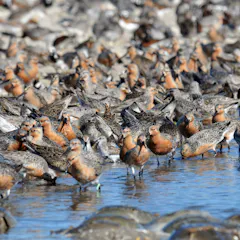
Governments, scientists and conservation groups are working to protect 30% of Earth’s land and water for nature by 2030. Two scientists explain why scale matters for reaching that goal.
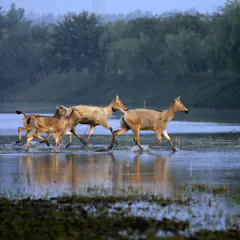
China has rich natural resources and is seeking to play a leadership role in global conservation, but its economic goals often take priority over protecting lands and wildlife.
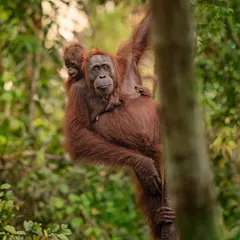
Setting aside half of Borneo would significantly reduce their decline, say experts.

Wildfires are remaking western US forests. Decisions about managing forests that have burned should factor in how fires change animal behavior and interactions between predators and prey.
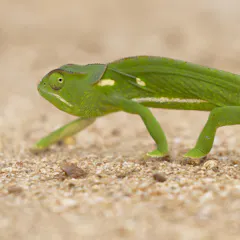
Cute and fluffy species get most of the attention that attracts resources to conserve them. But a new study finds people respond well to creepy crawlies if they’re given time in the media limelight.
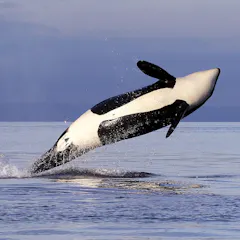
The declining salmon and whale numbers raise a critical question: Is the southern resident killer whale population solely reliant on the abundance of salmon? And, if so, since when?
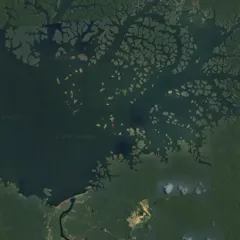
New research shows how hydropower is linked to extinctions.
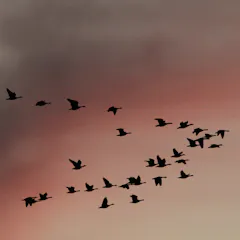
Satellite telemetry, tiny geolocation tags and passive acoustic recording are providing new insights into bird migration and vital data for conservation.
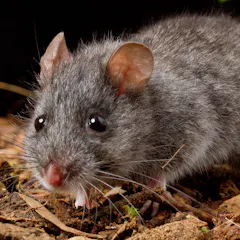
The smoky mouse was already fighting extinction when a devastating bushfire season decimated 90% of its habitat. Thankfully, all is not lost.
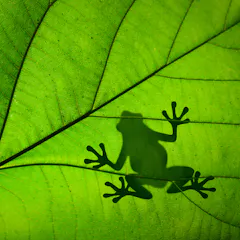
Scientists predict 56% of ‘data deficient’ species are probably at risk.
Top contributors
-

Professor in Wildlife Ecology and Conservation, School of Life & Environmental Sciences, Deakin University
-
Lecturer in the School of Applied Sciences, Edinburgh Napier University
-
Distinguished Research Professor and Australian Laureate, James Cook University
-
Professor of Wildlife Conservation, University of Salford
-
Honorary Research Fellow, University of Sydney
-
Professor of Conservation Biology, Charles Darwin University
-
Professor in Terrestrial Ecology, Deakin University
-
Professor in Ecology, Charles Sturt University
-
Professor in Conservation Science, School of the Environment, The University of Queensland
-
Professor of Environmental Management, The University of Queensland
-
Professor of Conservation and Sustainable Livelihoods, Charles Darwin University
-
Distinguished Professor of Ecology, Fenner School of Environment and Society, Australian National University
-
Professor in Biodiversity and Conservation, The University of Queensland
-
ARC Future Fellow, Queensland University of Technology
-
Professor of Conservation Science, University of Newcastle