
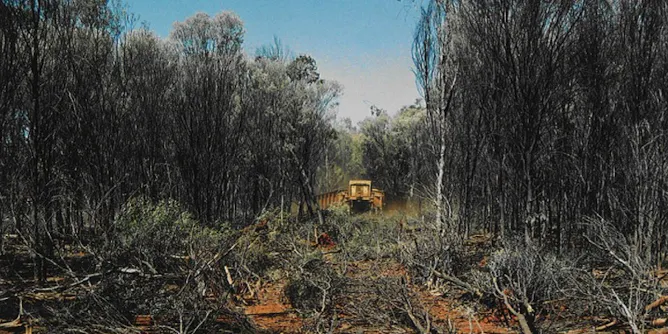
We’re going to have to adapt to climate change, but some of the options on the table could do more harm than good if they destroy the ecosystems that protect us.
Articles on Wildlife conservation
Displaying 381 - 400 of 570 articles
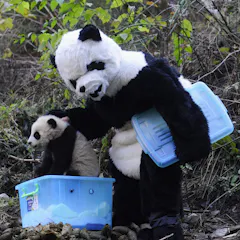
The country is fast becoming a world leader in conservation biology.
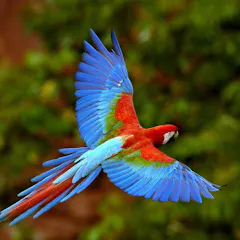
New data have revealed a disturbing trend in forest loss: the hearts of the world’s forests are disappearing. To stop them bleeding out, we’ll have to say ‘no’ to some developments.
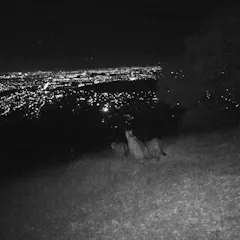
Many Americans move to rural areas to live near nature. But the mere presence of humans changes wildlife behavior in ways that may have ripple effects.
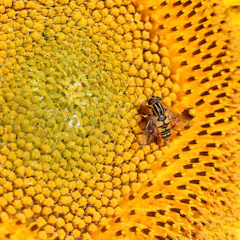
Next time you reach for the honey, spare a thought for the other vital insects that pollinate our crops.
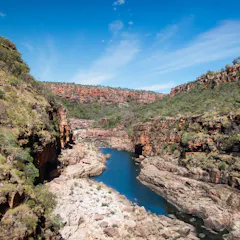
A score of new fish species discovered recently in northern Australia remind us how little we know about our country.

How do you balance coal and conservation? New research from Queensland hints at an answer.
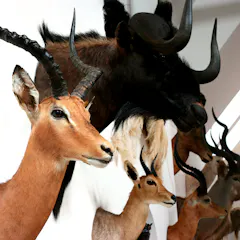
The death of Cecil the lion ignited furious debate over trophy hunting in 2015. But conservationists argue that it’s a necessary evil.
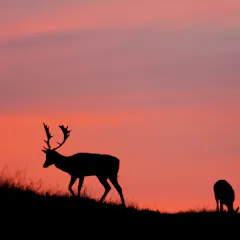
There are now six species roaming wild, and their numbers are increasing dramatically as their population expands and through human action. As they spread, they raise uncomfortable issues for conservation.
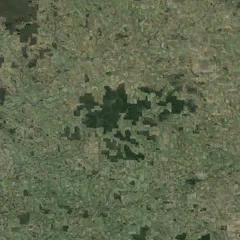
Australia may have reputation for vast areas of wilderness, but in reality the continent’s ecosystems have been chopped and diced. Now we need to protect what’s left.
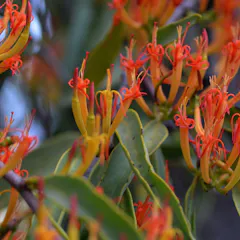
In many parts of the world, Christmas and mistletoe are inextricably intertwined. But in the natural world, mistletoe has long fascinated naturalists and scientists.
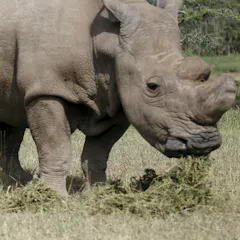
Their flimsy chances rely on the eggs and sperm from the remaining three elderly animals, combined with frozen DNA from dead rhino.
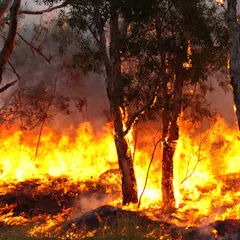
Victoria is moving away from burnoff targets to a new strategy for managing bushfire risk.
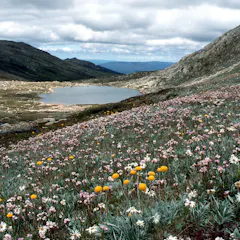
The government is set to restrict green groups’ right to challenge environmental approvals in court. But the law isn’t doing its job in protecting Australia’s plants and animals anyway.
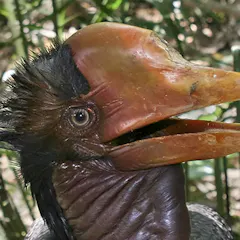
The birds’ brightly coloured beaks are worth more than elephant tusks.

Why are some southern right whale populations not recovering as fast as we hoped? The answer may be in their migrations.
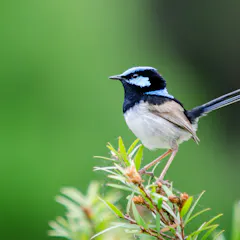
Some Australian birds are pushing out other species, and even damaging trees. The good news is we can help stop the spread of these birds, by putting native plants in our gardens.
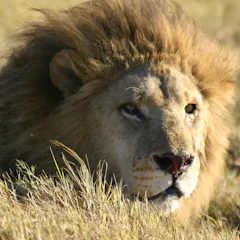
Declining numbers mean the continent’s top predator isn’t fulfilling its ecological role.

We often think of ecotourism as good for the environment. But it may have some worrying unintended consequences for wild animals.

We’re familiar with the idea of releasing almost-extinct species into new areas. By doing the same with common animals, we can help stop their population numbers getting into the same perilous state.
Top contributors
-

Professor in Wildlife Ecology and Conservation, School of Life & Environmental Sciences, Deakin University
-
Lecturer in the School of Applied Sciences, Edinburgh Napier University
-
Distinguished Research Professor and Australian Laureate, James Cook University
-
Professor of Wildlife Conservation, University of Salford
-
Honorary Research Fellow, University of Sydney
-
Professor of Conservation Biology, Charles Darwin University
-
Professor in Terrestrial Ecology, Deakin University
-
Professor in Ecology, Charles Sturt University
-
Professor in Conservation Science, School of the Environment, The University of Queensland
-
Professor of Environmental Management, The University of Queensland
-
Professor of Conservation and Sustainable Livelihoods, Charles Darwin University
-
Distinguished Professor of Ecology, Fenner School of Environment and Society, Australian National University
-
Professor in Biodiversity and Conservation, The University of Queensland
-
ARC Future Fellow, Queensland University of Technology
-
Professor of Conservation Science, University of Newcastle