
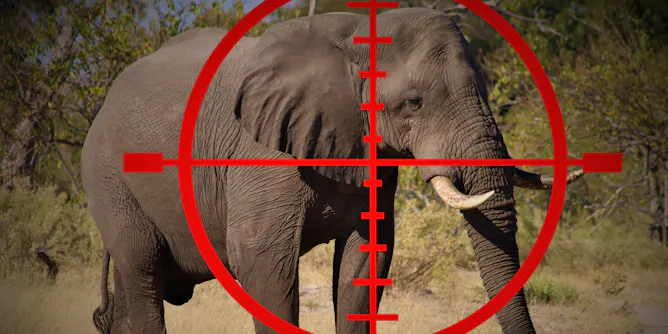
To many of us trophy hunting is repellent. But here’s a look at why killing wild animals might be pleasurable to some.
Articles on Wildlife conservation
Displaying 121 - 140 of 570 articles

Quenda are one of few remaining digging mammals in Australian urban bushlands, and fungi is their favourite food.

Freshwater mussels are one of the most endangered groups of animals on the planet. Their demise will have dramatic consequences for freshwater environments worldwide.

It’s usually good news when a once-scarce species starts to recover – unless it starts getting in humans’ way. An ecologist explains how science can help predict unwelcome encounters.
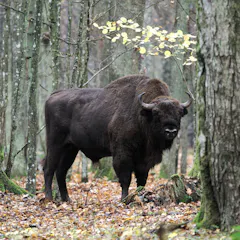
A barrier built to stop human migrants will instead cut off animals and scientific cooperation.
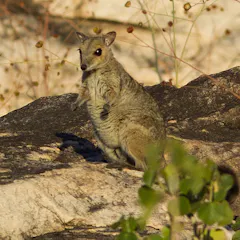
Northern Australia’s tropical savanna is one of the most fire-prone regions on the planet. We need to change the way we manage fires so we can help native wildlife come back from the brink.
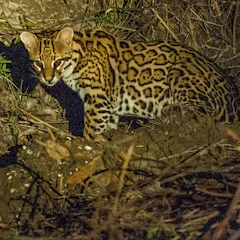
There are so few wild ocelots in the US that the cats are becoming inbred, with a bad prognosis for their ultimate survival. But researchers are perfecting ways to get new genes into the population.
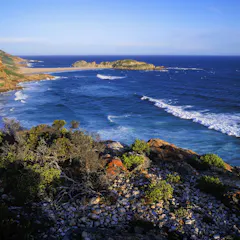
If the local context and priorities of those who most directly rely on natural resources for their survival isn’t considered, conservation efforts will continue to fail.

Rabbits destroy huge numbers of critical regenerating seedlings over more than half the continent. This has devastating flow-on effects for the rest of the ecosystem. So how do we control them?
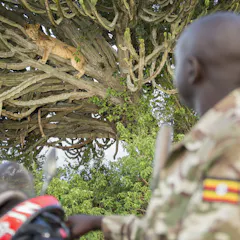
Africa’s public and private protected areas took a massive blow from the collapse in tourism because of the pandemic. Tourism is a key source of funding for managing protected areas.
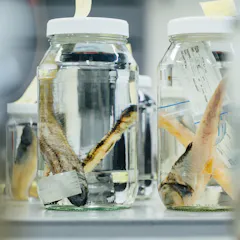
Recovering historical genetic data has been severely impeded by the methods used to preserve specimens, from dried butterfly wings to platypus bills floating in alcohol.
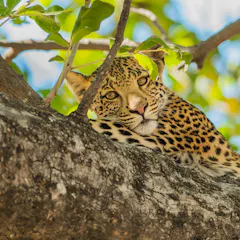
Recent sighting of a leopard in the Campo-Ma’an National Park area of Southern Cameroon shows the importance of conservation efforts.
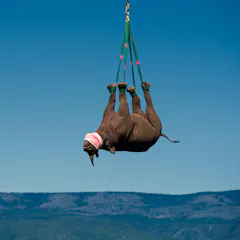
Helicoptering heavy herbivores across Africa is no laughing matter.
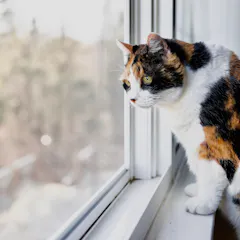
Roaming pet cats can kill more than 180 animals each year. But most people who keep cats inside do so for the welfare of their pet.
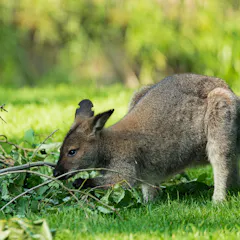
Meet the parma wallaby: for decades it was presumed extinct, until it turned up in New Zealand. Today, its failure to charm Australians may have doomed it – for good.

This fluffy-eared marsupial was listed as ‘vulnerable’ under the national environment law in 2016. Five years later, it meets the criteria to be listed as ‘endangered’. Australia must do better.
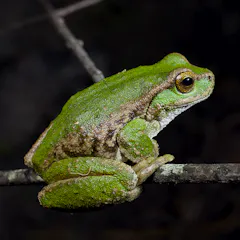
We’ve identified three frog species very likely to already be extinct. Another four species on our list are still surviving, but not likely to make it to 2040 without help.
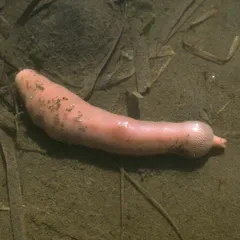
These phallic, burrowing invertebrates are certainly worth your time as integral and fascinating members — of Australia’s marine ecosystems.
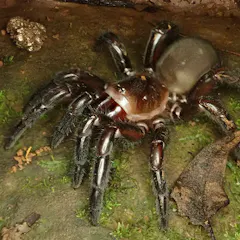
To many people, Australia’s spider diversity is a source of fear. To arachnologists, it’s a goldmine, with most Australian spider species still yet to be discovered.

It’s typically rare to see a dead frog. Yet, we’ve received a flurry of emails from people coming across them in this truly unusual, and tragic, mass death event.
Top contributors
-

Professor in Wildlife Ecology and Conservation, School of Life & Environmental Sciences, Deakin University
-
Lecturer in the School of Applied Sciences, Edinburgh Napier University
-
Distinguished Research Professor and Australian Laureate, James Cook University
-
Professor of Wildlife Conservation, University of Salford
-
Honorary Research Fellow, University of Sydney
-
Professor of Conservation Biology, Charles Darwin University
-
Professor in Terrestrial Ecology, Deakin University
-
Professor in Ecology, Charles Sturt University
-
Professor in Conservation Science, School of the Environment, The University of Queensland
-
Professor of Environmental Management, The University of Queensland
-
Professor of Conservation and Sustainable Livelihoods, Charles Darwin University
-
Distinguished Professor of Ecology, Fenner School of Environment and Society, Australian National University
-
Professor in Biodiversity and Conservation, The University of Queensland
-
ARC Future Fellow, Queensland University of Technology
-
Professor of Conservation Science, University of Newcastle