
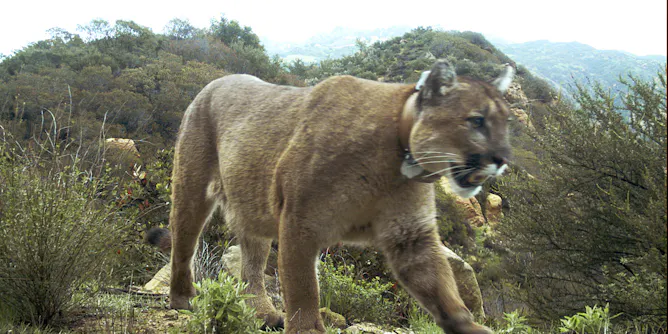
Modern rodenticides can kill rats with a single dose and readily pass up the food chain to larger carnivores. They are widely used and largely unregulated.
Articles on Wildlife conservation
Displaying 41 - 60 of 570 articles

Central America’s forests are critically important habitat for many forest birds, including endangered species. Narco-traffickers are cutting down trees, leaving birds with nowhere to go.

Black rhino conservation focuses on areas with acacia trees – but they actually prefer to eat grass.

Conflicts between herders and the wild ancestors of their yaks, camels and reindeer are a serious threat to both people and wildlife, writes a scientist who has seen these clashes firsthand.
Even in a concrete jungle like Los Angeles, wild species show up in surprising places. New research identifies the types of wildlife that best tolerate urban development.
Top conservation scientists demand a legally-binding requirement to reverse biodiversity loss at home and overseas.
Overall, coastal habitat restoration greatly increases animal numbers and diversity. But not all projects deliver the goods and we need to find out why.
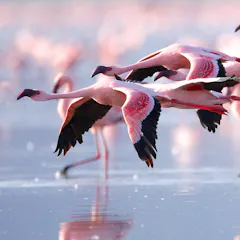
New research shows increased rainfall due to climate change is threatening the birds’ food supply.
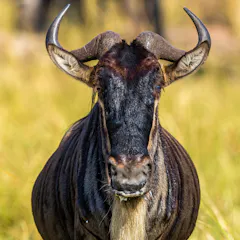
Africa’s great wildebeest migrations are being disrupted by roads, cities and agriculture.
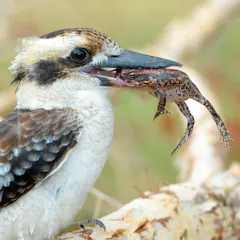
New research suggests if we can’t eradicate cane toads, we can teach wildlife not to eat them.

Conservation strategies should promote equitable benefits across communities.

Conservation of biodiversity is in the hands of humans but artificial intelligence can help guide decisions.

Pangolins are among the most trafficked and poached mammals in the world.
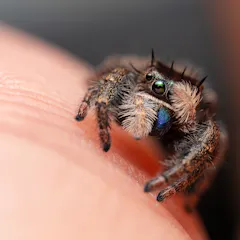
An expert on why spiders are misunderstood and their fascinating survival strategies.
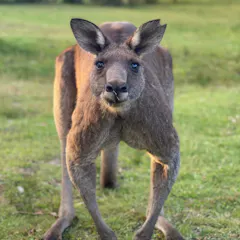
The Marsupial Microbiome Poop Troop collects the droppings of wild marsupials to help save the lives of orphaned joeys.
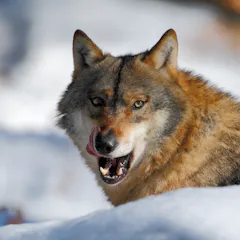
Why Arne Næss’s ideas of ‘deep ecology’ can help us live with wolves.

Feral hogs are one of the most destructive invasive species in North America, harming land, crops and wildlife.

Migrating birds need stopover locations en route where they can rest and feed. A new study shows that artificial light draws them away from sites they would normally use and into risky zones.
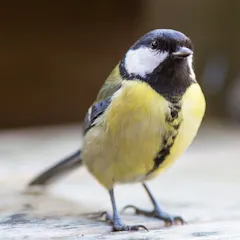
Research shows providing food for birds not only stops them going hungry, it may help them fight off infection too.
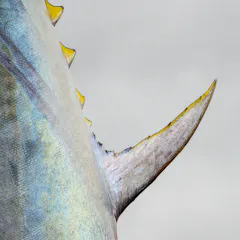
My team studied bluefin tuna otoliths to learn why some populations are recovering faster than others.
Top contributors
-

Professor in Wildlife Ecology and Conservation, School of Life & Environmental Sciences, Deakin University
-
Lecturer in the School of Applied Sciences, Edinburgh Napier University
-
Distinguished Research Professor and Australian Laureate, James Cook University
-
Professor of Wildlife Conservation, University of Salford
-
Honorary Research Fellow, University of Sydney
-
Professor of Conservation Biology, Charles Darwin University
-
Professor in Terrestrial Ecology, Deakin University
-
Professor in Ecology, Charles Sturt University
-
Professor in Conservation Science, School of the Environment, The University of Queensland
-
Professor of Environmental Management, The University of Queensland
-
Professor of Conservation and Sustainable Livelihoods, Charles Darwin University
-
Distinguished Professor of Ecology, Fenner School of Environment and Society, Australian National University
-
Professor in Biodiversity and Conservation, The University of Queensland
-
ARC Future Fellow, Queensland University of Technology
-
Professor of Conservation Science, University of Newcastle