
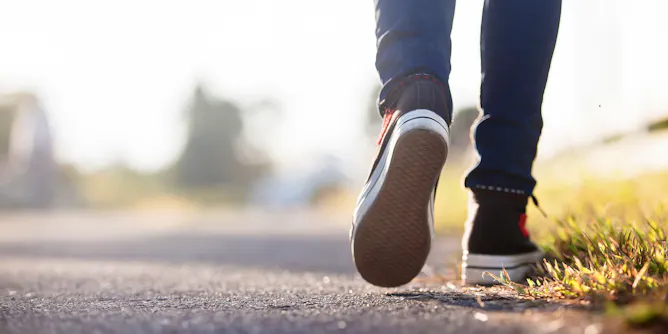
Many of us are programmed to aim for 10,000 steps a day. This target is not right for everyone – but we can all benefit from setting step goals to increase our activity.
Articles on Walking
Displaying 141 - 160 of 183 articles
If the menu of potential activities that do us good is made to look uninviting or challenging, we are more likely to choose the easier but less healthy option.
The private car is the default transport option for many families. This reduces physical activity and increases greenhouse gas emissions, with unhealthy results for their children and the environment.
The city where the Kyoto Protocol was signed resolved some years ago to move away from cars and towards low-emission alternatives for getting around. And it’s making real progress towards that goal.
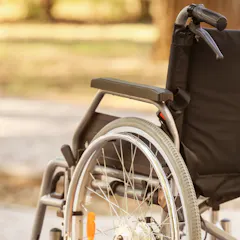
Research published today shows that walking again is possible for individuals with spinal cord injury. After electrical stimulation, three people with lower leg paralysis could walk to some extent.
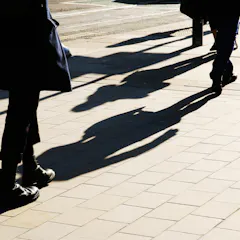
It can feel much faster to get the bus – but that could all be a matter of perspective.
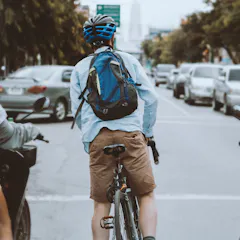
What’s your risk of dying if you cycle to work, versus the health benefits? What about walking, or driving, or catching a train? Here are the risks and benefits.
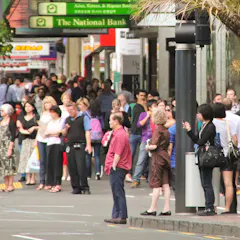
Everyone doesn’t simply wait their turn at traffic lights. Signals are set up to enable a ‘green wave’ for cars and adjust to heavy traffic, making walkers wait longer no matter how many there are.
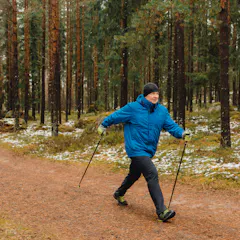
A new study found those who reported walking faster were less likely to die prematurely.

The Daily Mile started in a primary school in central Scotland six years ago. Now it has spread to 3,600 schools in 35 countries.
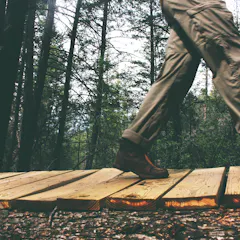
Four out of five experts say walking is enough exercise.
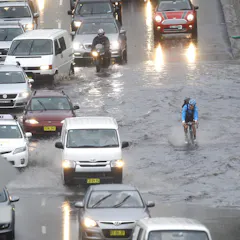
The relationship between weather and our travel choices is complicated. We can’t change the weather, but, with many other factors in play, good policy and design can reduce its impacts.
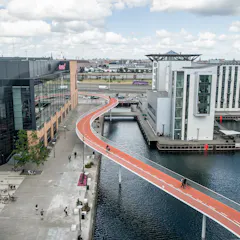
New analysis reveals just how little is spent on cycling and walking projects around Australia. No state’s spending on cycling is more than 1.5% of its road funding.

There are many benefits to walking - whether you do it in a group or on your own.

Little skates that ‘walk’ across the ocean floor show how fish brains evolved to pave the way for working legs.
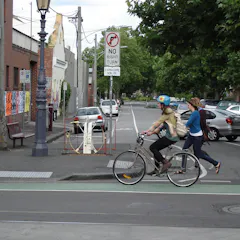
A comparison of Australian cities reveals cyclists and walkers are still very much a minority of commuters, despite the economic, health and environmental costs. Action on three fronts is needed.

Taking more exercise is a New Year’s resolution to stick to. Exercise reduces risks of depression, cancers, heart disease, stroke and sudden death.

The benefits of walking are widely promoted, but most Australian communities still aren’t walker-friendly. Young people, who rely heavily on walking to get around, are clear about what has to change.
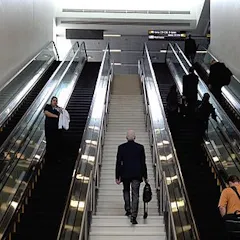
Dropping old, bad habits is hard, but starting new, good ones may not be so difficult. Or so a recent study suggests. Read how a simple sign at an airport made a difference.

Governments, developers and urban planners all aspire to create liveable cities. Yet when it comes to Australian cities, the rhetoric and reality don’t quite match.
Top contributors
-

Adjunct Research Fellow, School of Human Sciences, The University of Western Australia
-
Senior Lecturer in Clinical Exercise Physiology, University of East London
-
Honorary Professor of Planning, The University of Queensland
-
Teaching Assistant Professor, University of Pittsburg and Visiting Associate Professor, The University of Osaka, University of Pittsburgh
-
Reader in Exercise and Health Physiology, University of Hertfordshire
-
PhD Candidate, School of Population Health, UNSW
-
Associate Professor in Urban Planning, The University of Queensland
-
Professor of Human Geography, The University of Queensland
-
Distinguished Professor and Director, Urban Futures Enabling Capability Platform, and Director, Healthy Liveable Cities Group, RMIT University
-
Professor of Physical Activity, Lifestyle, and Population Health, University of Sydney
-
Associate professor, UCL
-
Senior Lecturer, University of Environment and Sustainable Development
-
John Rennie Short is a Friend of The Conversation.
Professor Emeritus of Public Policy, University of Maryland, Baltimore County
-
Professor of Transport Technology and Sustainability, Swinburne University of Technology
-
Adjunct Professor, School of Public Health, Curtin University