

We want children to become physically competent, but we also want them to become confident decision makers, good communicators and effective collaborators.
Articles on Physical activity
Displaying 1 - 20 of 262 articles
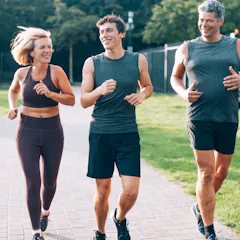
Plus, ‘slow jogging’ may benefit avid runners, too.

A major new study of 4.2 million people found leisure exercise cuts dementia risk – but manual labour and active commuting may raise it.

Some age-related decline is locked in. Strength, balance and fall risk are not – and the evidence shows what works.
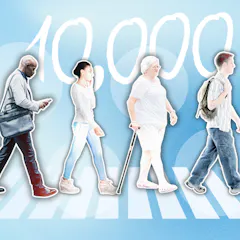
The infamous 10,000 steps per day recommendation didn’t come from a research laboratory.

Your bed is warm and it’s cold outside. Besides, you have a tickle in your throat. Should you go for that run?

An oncologist answers the key questions about the new sitting-and-cancer study, and what its findings do and don’t show.
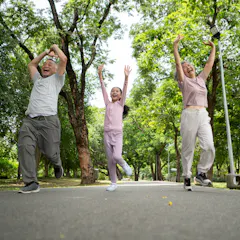
New research suggests that exercising together can improve parents’ and children’s health, thinking skills and motivation to stay active.

Physical activity is not just about gyms, PE or competitive sport. For many young people, safer movement starts with being listened to.

Teenagers often love chocolate bars and hot chips. A paediatric nutritionist explains how we can help them make healthier choices.

Only 1 in 4 Americans are meeting the recommended guidelines for exercise. Here are some research-backed ways to keep moving, even when it’s hard.

Physical activity improves cognitive function – our ability to think and process information.
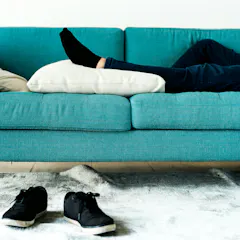
From a biological perspective, being inactive is more than the opposite of being active. Being sedentary results in unique physiological changes that can lead to a variety of health risks.
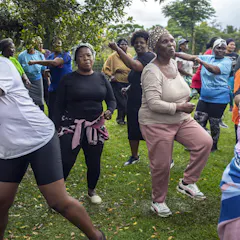
People don’t need a strict workout schedule to get moving.
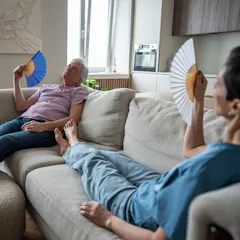
Rising heat is making everyday exercise harder, with modelling studies suggesting long-term impacts on activity levels and population health.
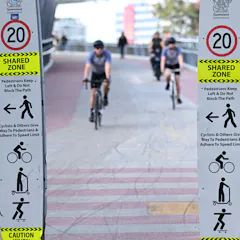
For the first time in more than a decade, Australia has new physical activity guidelines. They’re commendable but unlikely to get us more active.

The modernisation of small towns, while positive economically, brings hidden health costs.
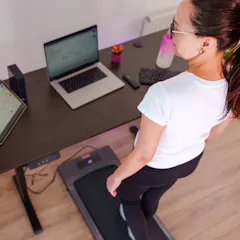
Yes, there is evidence changing your desk set up can help with fat loss, improving cholesterol, blood pressure and metabolism. But try this before you buy.
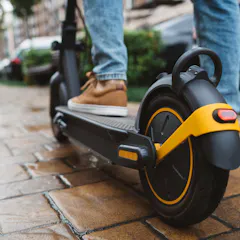
They’re fast and convenient, but scooters can harm young people’s health by robbing them of exercise.

Integrating simple habits can help your family maintain healthy eating, sleep and activity behaviours to feel your best during this busy season.
Top contributors
-

Lecturer in Exercise Science, Adelaide University
-
Professor, research professor in exercise, nutrition and activity, Adelaide University
-
Deakin Distinguished Professor, Faculty of Health, Deakin University
-
Professor of Physical Activity, Lifestyle, and Population Health, University of Sydney
-
Lecturer in Physiotherapy, Adelaide University
-
Professor of Health Sciences, Adelaide University
-
Professor and Director of the Child Health and Physical Activity Lab, Western University
-
Associate Professor of Education, Charles Sturt University
-
Research Fellow, Allied Health & Human Performance, Adelaide University
-
Adjunct Research Fellow, School of Human Sciences, The University of Western Australia
-
Associate Professor of Digital Health, Monash University
-
Professor, Victoria University
-
Senior Lecturer in Health and Physical Education, University of Tasmania
-
Associate Professor, Physiotherapy, Trinity College Dublin
-
Ken Nosaka is a Friend of The Conversation.
Professor of Exercise and Sports Science, Edith Cowan University