

Pushing a stroller changes how runners move, lowering some injury risks while raising others. Here’s what the biomechanics data reveals.
Articles on STEEHM new research
Displaying 101 - 120 of 176 articles
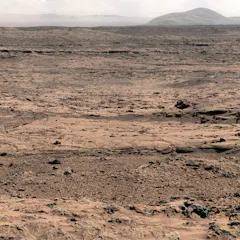
NASA’s Curiosity rover has spotted carbon-containing minerals that can tell scientists more about what ancient Mars’ atmosphere may have looked like.

A global study seeks insights into what helps people feel happy, healthy and satisfied – and what holds them back.
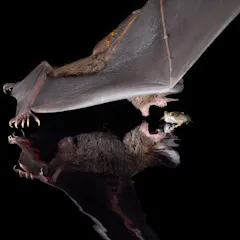
By listening to a frog call, adult bats can tell which prey are palatable and which are poisonous. Young bats must acquire this ability over time.

It’s extremely difficult to see how forces in a pile of sand are distributed between individual grains – a new experimental approach fixes that.
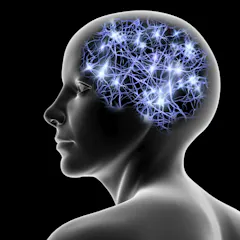
As you experience or encounter new things, your brain must encode this information via the right neural networks at the right time.

Cachexia, or wasting syndrome, causes around 80% of patients with advanced cancer to withdraw from life.
Researchers probed what psychologists call the ‘paradox of effort’ to learn how different people value work they could do in the future or that they’ve already accomplished in the past.
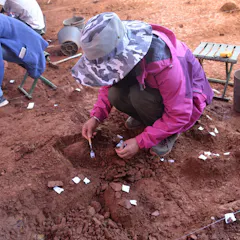
Discovery in China of tools called Quina scrapers suggests the people of East Asia were as inventive and flexible with technology during the Middle Paleolithic era as those in other parts of the world.

Multilevel selection is a controversial concept originally proposed by Darwin. A new study found evidence for it in the wild in a group of marmots scientists have been observing for more than 60 years.
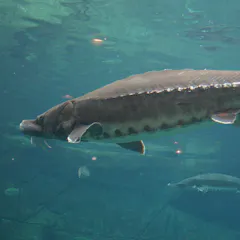
Research that combined archaeology, history and ecology provides a nuanced understanding of the past that could help conservationists better plan for the future.
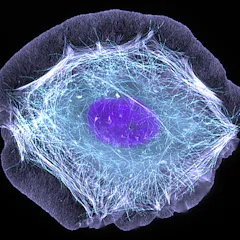
Textbooks usually depict the epithelial cells encasing the interior and exterior of your body as passive barriers. But researchers discovered they can produce electrical signals like neurons.

By combining ultrasound with a concept called nonlinear acoustics, you can create sound that stays silent until it reaches a specific location.
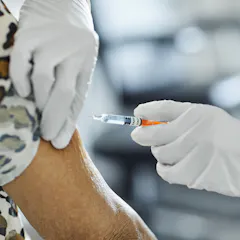
Reading a pamphlet in the doctor’s office about which vaccines to get may help nudge older adults to get vaccinated.

People living in locations that experience frequent extreme heat days age faster at the molecular level.
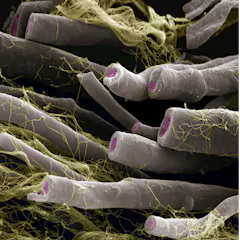
Levels of 2 types of bacteria in your gut could help improve the diagnosis and treatment of multiple sclerosis.

Do you have a secure or anxious attachment with your pet?

While geomagnetic storms can lead to gorgeous aurora displays, they can also damage satellites and GPS.
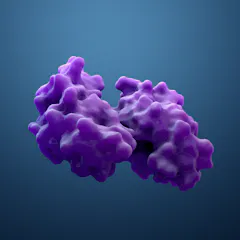
Enzymes significantly speed up the chemical reactions that keep you alive. Researchers are using AI to create new ones to tackle modern challenges.
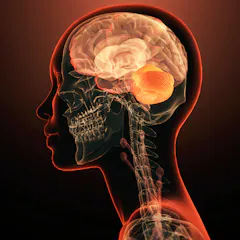
Conditions such as long COVID-19, Alzheimer’s disease and meningitis can damage the line of communication between your brain and your muscles.
Top contributors
-

Assistant Professor of Microbiology, University of Tennessee
-
Associate Professor of Human Dimensions of Natural Resources, University of Montana
-
Curator of Archaeobotany and Archaeogenomics, National Museum of Natural History, Smithsonian Institution
-
Assistant Professor of Ecology & Evolutionary Biology, University of Tennessee; Smithsonian Institution
-
Research Associate in Animal Behavior, The University of Texas at Austin; McGill University
-
Professor of Paleontology, University of Chicago
-
Associate Professor of Systems and Computational Biology, Microbiology and Immunology, Albert Einstein College of Medicine
-
Professor of Mathematics, University of Wisconsin-Madison
-
Professor and Chair of Health Economics, Rice University
-
Ph.D. Candidate in Bioengineering, University of Washington
-
Associate Professor of Biology, Penn State
-
Associate Professor of Bioengineering, University of Washington
-
Assistant Professor of Neurosurgery, University of Florida
-
Assistant Professor of Electrical and Computer Engineering, Georgia Institute of Technology
-
Lecturer, Northwestern University
