
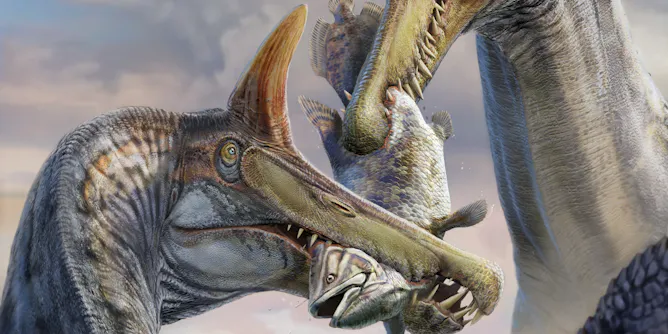
The hunt for a mythicized fossil hot spot took a team of researchers on a journey through the Sahara Desert.
Articles on STEEHM new research
Displaying 41 - 60 of 176 articles

People typically die from progressive supranuclear palsy within 7 to 10 years. There is currently no specialized treatment or effective screening for this neurodegenerative disease.

Gold and platinum are found in space, created when two stars collide. Astrophysicists can even trace this process further back, to the merger of galaxies.

Your immune systems kicks into gear when you’re injured, both worsening and relieving pain.

There are specific parts of the brain that trigger hesitation in times of uncertainty.
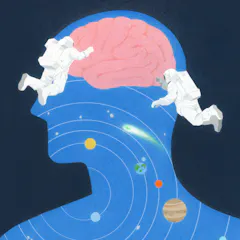
These changes aren’t permanent – the brain goes gradually back to normal after coming back to Earth. Understanding the physical effects of spaceflight helps plan space missions.
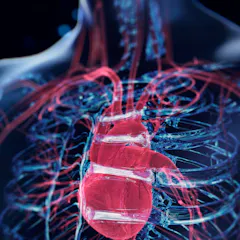
Approaching heart failure like an autoimmune condition could offer new ways to improve patient survival.

Social inequalities emerge in every human society. New research into how these hierarchies form suggests ‘prestige psychology’ – the tendency to defer to expertise – is at the root.

Rehabilitation from stroke has traditionally focused on improving the function of the most severely affected arm. But training the other arm might actually lead to more gains.

A new study investigated the source of a leak in a ‘miracle measurement’ from 2010 – and engineers found a potential solution.

TV shows can be misleading when it comes to educating viewers on hands-only CPR, along with who experiences cardiac arrest and where.

Researchers identified a key molecule that highlights how the immune system is linked to the release of dopamine.

The youngest chimpanzees are the biggest risk-takers. Would humans show the same pattern if adults weren’t keeping such a close watch on little kids?
New research shows how identity-driven assumptions can turn common ground into conflict.

An ancient cremation would have been a community spectacle in a place returned to and reignited over many generations. What was behind this unexpected funeral ritual?

Wolves and coyotes feed on similar things – but their diets aren’t identical. A researcher studied predator diets to investigate their differences.

The delusions of people with thought disorders have had consistent themes of persecution for decades. But new technology provides fresh material for the content of delusions.
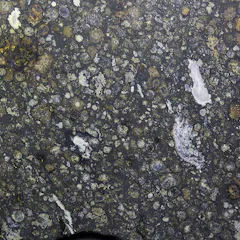
A new machine learning model explores the boundary between biological and nonbiological chemistry.

Interbreeding across species lines is one way helpful genes can spread into a bird population.
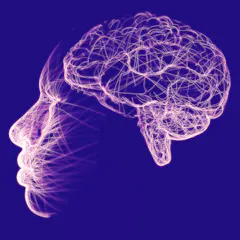
Some children recover better after traumatic brain injury than others, despite appearing similarly to doctors. Looking at the genetic and cellular level, however, reveal key differences.
Top contributors
-

Assistant Professor of Microbiology, University of Tennessee
-
Associate Professor of Human Dimensions of Natural Resources, University of Montana
-
Curator of Archaeobotany and Archaeogenomics, National Museum of Natural History, Smithsonian Institution
-
Assistant Professor of Ecology & Evolutionary Biology, University of Tennessee; Smithsonian Institution
-
Research Associate in Animal Behavior, The University of Texas at Austin; McGill University
-
Professor of Paleontology, University of Chicago
-
Associate Professor of Systems and Computational Biology, Microbiology and Immunology, Albert Einstein College of Medicine
-
Professor of Mathematics, University of Wisconsin-Madison
-
Professor and Chair of Health Economics, Rice University
-
Ph.D. Candidate in Bioengineering, University of Washington
-
Associate Professor of Biology, Penn State
-
Associate Professor of Bioengineering, University of Washington
-
Assistant Professor of Neurosurgery, University of Florida
-
Assistant Professor of Electrical and Computer Engineering, Georgia Institute of Technology
-
Lecturer, Northwestern University
