
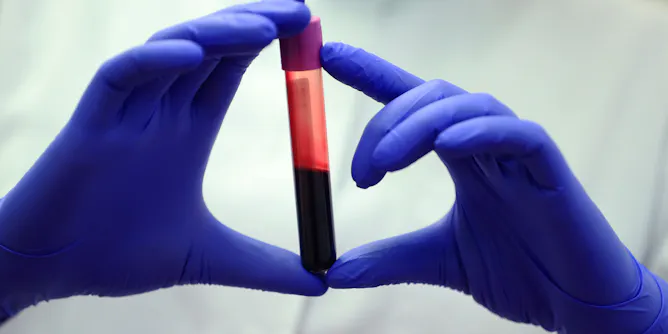
A narrower, more personalized ‘normal range’ could help doctors better diagnose and treat disease in individual patients.
Articles on STEEHM new research
Displaying 121 - 140 of 176 articles
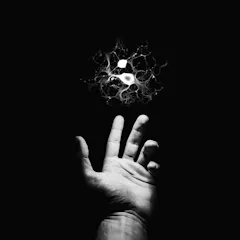
Understanding how new neurons affect brain function throughout adulthood can offer new approaches to treating epilepsy and dementia.

Famous musicians and artists aren’t necessarily more likely to die at 27. But the story that they do shapes how we perceive history and reality.

Every human brain still holds primitive instincts that we share with our monkey ancestors. Is that part of your brain in charge when you cast your ballot?
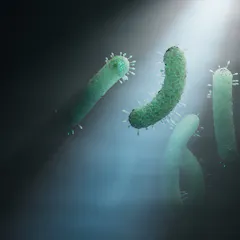
By analyzing the resistance genes and proteins of E. coli, researchers can optimize treatments to address both current and future antimicrobial resistance.

Scientists use jargon and complicated language to describe their work. Regular folks ‘get it’ more when descriptions are simpler – and think better of the researchers themselves.
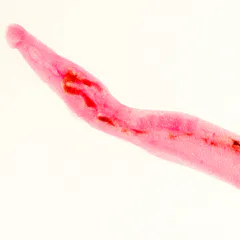
Schistosomiasis is a neglected tropical disease that triggers specific immune responses in the body. Identifying those hidden immune signatures can help improve detection and treatment.

Don’t be fooled by the image of a mad scientist isolated in his basement laboratory. Science is a collaborative endeavor, and international teams have contributed to a huge rise in scientific output.

Context, perceptions and expectations affect the choices both bees and people make.

Research finds that extensive feeding by invasive insects can cause trees to produce defense compounds, to the detriment of valued native insects.
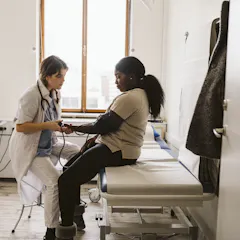
Patients often bear the cost of unexpected bills for basic preventive services such as wellness visits and cancer screenings.

Seeing the world with a restricted color palate seems to tone down an emotion-based resistance to new foods.

New research demonstrates that the dye that gives nacho cheese its yellow-orange color can also make mouse skin see-through.
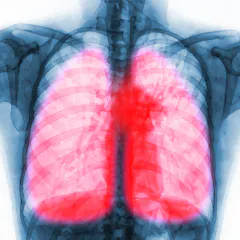
Researchers developed a new mouse model that replicates long COVID-19 more accurately than current models. Their findings could lead to new treatments.

Researchers found that nearly 74% of patients who reached out about a billing mistake received bill corrections. For those who negotiated their bills, nearly 62% saw a price drop.
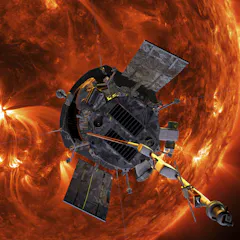
For years, researchers have wondered what energy source allows the solar wind − a projection of charged particles from the Sun − to rush by at hundreds of miles a second.
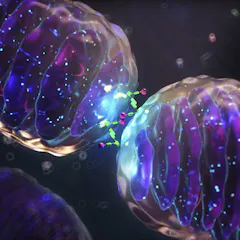
As the powerhouse of the cell, mitochondria lie at the intersection of many essential biochemical pathways. When they go awry, neurodegenerative diseases can result.

Researchers are uncovering the ways by which dad, mom or both parents drinking can result in fetal alcohol syndrome and other lifelong effects on children.

From ice cores extracted from the Tibetan Plateau, scientists recovered the equivalent of 1,705 virus species. Reading their genomes tells the story of 41,000 years of climate change.
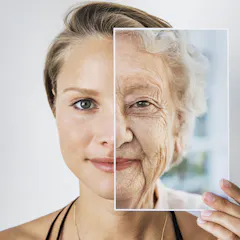
Targeting the key players that help your body regulate metabolism could reverse disease progression, including cognitive decline related to Alzheimer’s disease.
Top contributors
-

Assistant Professor of Microbiology, University of Tennessee
-
Associate Professor of Human Dimensions of Natural Resources, University of Montana
-
Curator of Archaeobotany and Archaeogenomics, National Museum of Natural History, Smithsonian Institution
-
Assistant Professor of Ecology & Evolutionary Biology, University of Tennessee; Smithsonian Institution
-
Research Associate in Animal Behavior, The University of Texas at Austin; McGill University
-
Professor of Paleontology, University of Chicago
-
Associate Professor of Systems and Computational Biology, Microbiology and Immunology, Albert Einstein College of Medicine
-
Professor of Mathematics, University of Wisconsin-Madison
-
Professor and Chair of Health Economics, Rice University
-
Ph.D. Candidate in Bioengineering, University of Washington
-
Associate Professor of Biology, Penn State
-
Associate Professor of Bioengineering, University of Washington
-
Assistant Professor of Neurosurgery, University of Florida
-
Assistant Professor of Electrical and Computer Engineering, Georgia Institute of Technology
-
Lecturer, Northwestern University
