

Despite good hydration and nutrition, many athletes across sports still suffer from unexpected cramps. The courts and fields they’re playing on may be the missing link.
Articles on STEEHM new research
Displaying 81 - 100 of 176 articles

Two new studies challenge scientists’ previous theories on how the very first stars in the universe formed.
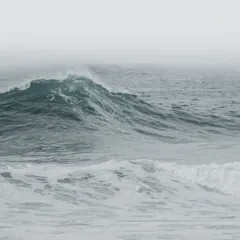
Researchers have used lab models to study how rogue waves form, but these don’t always transfer over to the natural world.
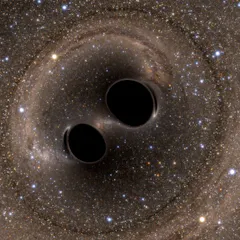
Too big to come from a dying star and too small to inhabit the center of a galaxy, these black holes are a puzzle that scientists are using LIGO to investigate.
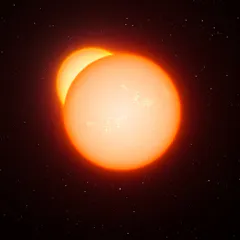
It takes a supercomputer weeks to output the properties of one stellar binary. A new study shows AI can do it in a fraction of the time.
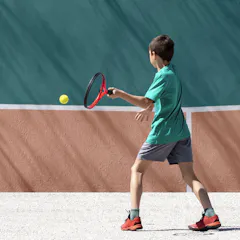
Imagination is a fundamental tool for everyday life. Unsurprisingly, many kids harness it during athletic play, conjuring a fun teammate, a supportive coach or a worthy opponent.
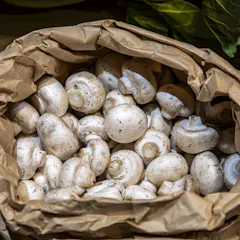
Some mushrooms are sturdier than others, but it isn’t necessarily because of their chemistry – it’s how the filaments that make them up are arranged.
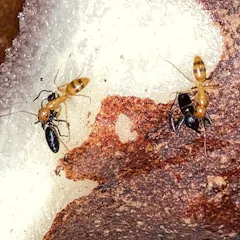
Squamellaria plants grow special structures to host the ants they symbiotically rely on for nutrients. Distinct compartments help different ant colonies live peacefully side by side.
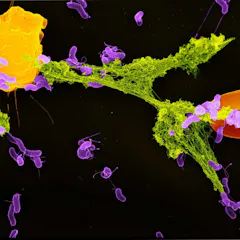
Not only do mitochondria serve as the engine of the cell – they also act as watchtowers for the immune system.

Chemical manufacturing is an energy-intensive industry. A team of chemists is designing a technique that could power the necessary reactions with sunlight or LEDs.

Current treatments for alcohol abuse are limited in their effectiveness and come with side effects. Precisely targeting the neurons involved in binge drinking could lead to better options.

Left and right brains hear speech differently, yet how this divide forms was unclear − until mouse studies showed each hemisphere runs on its own developmental clock.
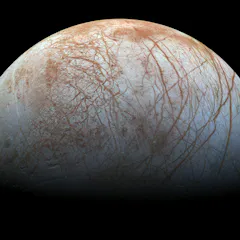
As NASA rolls out more powerful telescopes in the future, scientists will need a way to determine where to point them. A new approach could help.

A new archaeological study finds early evidence of white-tailed deer declines in the 17th century, likely driven by the commodification of deerskins under colonial capitalism.
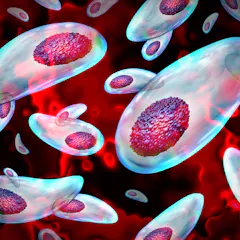
If you’ve handled cat litter or eaten raw meat or unwashed produce, there’s a chance you might have a permanent toxoplasmosis infection spread throughout your body.

Mountain chickadees follow systematic grammarlike rules to share important information, stringing together syllables like words in a sentence.
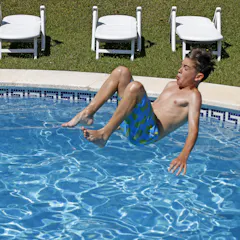
Do a manu jump and you’ll likely make the biggest splash at the pool party.
Environmental factors such as lifestyle and the medications you take influence the effects your genes have on your body − and can clarify how diseases develop.
Researchers examined the DNA of over 53,000 people with OCD and over 2 million people without OCD, gathering data that could one day improve treatment.

Engineers came up with a set of tests to make sure reclaimed asphalt pavement resists skidding and sliding when wet.
Top contributors
-

Assistant Professor of Microbiology, University of Tennessee
-
Associate Professor of Human Dimensions of Natural Resources, University of Montana
-
Curator of Archaeobotany and Archaeogenomics, National Museum of Natural History, Smithsonian Institution
-
Assistant Professor of Ecology & Evolutionary Biology, University of Tennessee; Smithsonian Institution
-
Research Associate in Animal Behavior, The University of Texas at Austin; McGill University
-
Professor of Paleontology, University of Chicago
-
Associate Professor of Systems and Computational Biology, Microbiology and Immunology, Albert Einstein College of Medicine
-
Professor of Mathematics, University of Wisconsin-Madison
-
Professor and Chair of Health Economics, Rice University
-
Ph.D. Candidate in Bioengineering, University of Washington
-
Associate Professor of Biology, Penn State
-
Associate Professor of Bioengineering, University of Washington
-
Assistant Professor of Neurosurgery, University of Florida
-
Assistant Professor of Electrical and Computer Engineering, Georgia Institute of Technology
-
Lecturer, Northwestern University
