
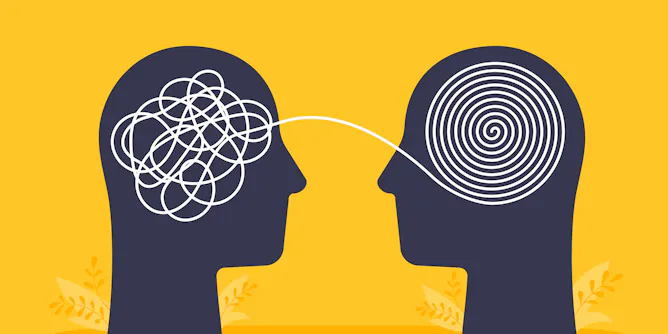
Insomnia and mental disorders are inter-related in a way we’ve yet to fully understand. But treating one can often help the other.
Articles on Sleep
Displaying 181 - 200 of 567 articles
If you struggle to get up, “snoozing” could help you perform better when you finally do.
Many studies showing an impact of insomnia on the body are flawed or not meaningful in everyday life. But they can lead to scary headlines.

Too much light and noise at night in cities makes us sleep less and, as a consequence, worsens our health. Here are some of the measures that local authorities should take to remedy this problem.

Most movies tend to minimise or exaggerate insomnia symptoms. Insomnia is also rarely depicted as an illness that can be treated.
Insomnia is torture, literally, and getting enough sleep a modern obsession. Here’s why.
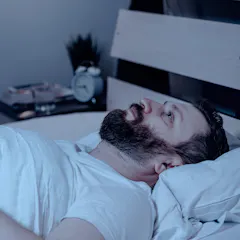
It turns out people who sleep well and those who sleep poorly have different kinds of thoughts before bed.

They’re heavily promoted. Your optometrist may even prescribe them. But when we looked at the evidence, this is what we found.
A pediatric urologist explains how the bladder and the brain communicate to wake you up when you need to ‘go’ – and how that communication might break down.

As US cities struggle to reduce homelessness, two scholars explain how planners can reform shelter design to be more humane and to prioritize mental health and well-being.
The hunt for sleep has become a global industry, with apps, drugs, self-help remedies. In a new book, author Marie Darrieussecq contemplates the curse of insomnia.
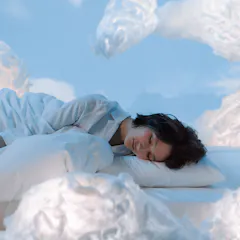
Dreams keep our brains ticking over. They wash the thoughts from the day’s events at a molecular level. They might even help us imagine what’s possible during our waking hours.

Our bodies are able to perceive time thanks to our internal clocks, which are also used by the other living beings with which we interact.
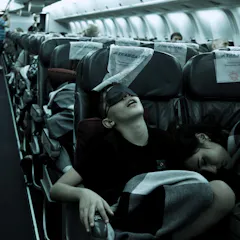
A sleep scientist explains how to maximise your chances of getting decent rest while trapped on a plane.
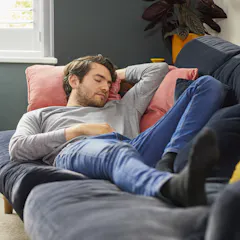
Naps can be rejuvenating and beneficial to attentiveness and overall health, but the length of naps and the time of day are key.
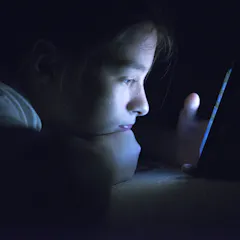
Exposure to screens before bedtime can contribute to chronic sleep deprivation, which raises the risk for anxiety, depression and even suicidal thoughts.

While a cup of joe or a brief nap during an all-nighter might help you feel a little more alert, it won’t offset cognitive impairments from sleep deprivation when you’re performing complex tasks.

Wake up! It’s time for bed. Here’s how to make sure you can actually fall asleep when you get there.

Self-help articles and books usually point to the things we can do personally to get a good night’s sleep. But the wider social and economic causes of insomnia deserve more attention.
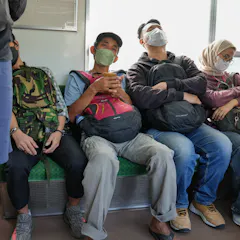
Ancient humans chose to sleep less, which had evolutionary benefits. For modern humans, sleeping less is futile and detrimental, but fitness may be a powerful ally in today’s epidemic of sleep loss.
Top contributors
-

Emeritus Professor of Psychology, Adelaide Institute for Sleep Health, Flinders University
-
Sleep Researcher, Appleton Institute, HealthWise Research Group, CQUniversity Australia
-
Conjoint Senior Lecturer, School of Medicine and Public Health, University of Newcastle
-
Professor of Sleep Health, University of the Sunshine Coast
-
Associate Professor of Neurology, University of Pittsburgh
-
Research Professor and Director of the Behaviour-Brain-Body Research Centre, Adelaide University
-
Professor and Head of Paediatric Sleep Research, CQUniversity Australia
-
Associate Professor at Turner Institute for Brain and Mental Health, School of Psychological Sciences, Monash University
-
Sleep & Circadian Scientist, CQUniversity Australia
-
Professor of Sleep and Physiology and Director of Surrey Sleep Research Centre, University of Surrey
-
Senior Lecturer in Psychology, CQUniversity Australia
-
Professor Emeritus of Nursing, University of British Columbia
-
Lecturer in Psychology, University of York
-
Lecturer, University of Cambridge; Anglia Ruskin University
-
Royal Holloway, University of London