

Some mornings it can feel like we’ve had a busy night of dreaming.
Articles on REM sleep
Displaying 1 - 20 of 47 articles

Brief awakenings are a normal part of sleep, but stress, alcohol, caffeine and irregular routines can make them harder to recover from.
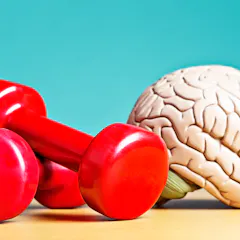
Challenging the brain by exposing it to new situations, tasks and skills can improve its efficiency, much like strength training does for our muscles. But maximum efficiency requires optimal rest.

As we transition from wakefulness to sleep, the nervous system winds down and muscles relax. Sometimes, the brain misinterprets what’s happening.

Researchers have found dreams are most likely to occur during the stage of sleep known as rapid eye movement, or REM.

Lie-ins aren’t bad for you, they’re overdue.

Insomnia can be a common problem during the lighter, warmer months.

If you sometimes use alcohol to help you fall asleep, here are some things you can do instead.

You can train your brain to wake up on time naturally.

Sleep appears to play an essential role in a number of brain functions, such as memory. So good quality sleep could play a vital role in preventing dementia.
We envisage a future in which sleep is a routine target for reducing or preventing symptoms of mental illness, both in psychiatric settings and people’s homes

Studies show college athletes sleeping less than 7 hours per night are almost twice as likely to be injured when compared with athletes sleeping more than 8 hours.

Some dreamers were able to distinguish real words from invented ones by smiling or frowning.
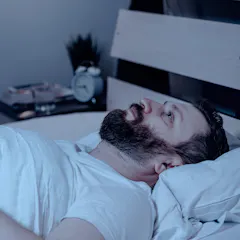
It turns out people who sleep well and those who sleep poorly have different kinds of thoughts before bed.

Dreams keep our brains ticking over. They wash the thoughts from the day’s events at a molecular level. They might even help us imagine what’s possible during our waking hours.

REM sleep behavior disorder is characterized by acting out dreams, which may include shouting, kicking and punching during sleep.

By learning what parts of the brain are crucial for imagination to work, neuroscientists can look back over hundreds of millions of years of evolution to figure out when it first emerged.

Even during periods of restricted sleep, people who report good sleep quality are three times less likely to get a respiratory infection.

Why your eyes move during the REM stage of sleep has puzzled scientists for years. Researchers measured mice brains to look for a possible explanation.

Sleep and mental health have a well established relationship.
Top contributors
-

Associate Professor of Neurology, University of Pittsburgh
-
Director, Appleton Institute, CQUniversity Australia
-
Senior Lecturer in Psychology, CQUniversity Australia
-
Professor of Sleep Health, University of the Sunshine Coast
-
Associate Professor at Turner Institute for Brain and Mental Health, School of Psychological Sciences, Monash University
-
Lecturer in Psychology, University of York
-
Post-doctoral research fellow, School of Health Sciences, RMIT University
-
Assistant Professor of Psychology, Birmingham-Southern College
-
CEO and Founder of The NeuroTech Institute, Adelaide University
-
Lecturer in Vision Sciences, Glasgow Caledonian University
-
Lecturer in Psychology, University of East London
-
Professor of Sleep Medicine and NHMRC Practitioner Fellow, Woolcock Institute of Medical Research, University of Sydney
-
Emeritus reader in science education and communication, University of Sussex
-
Vice Chair, Department of Neurology, University of Florida
-
Former Lecturer in Nutrition and Dietetics, King's College London