
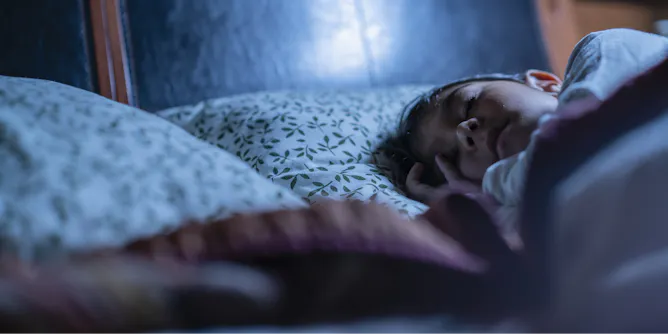
Less sleep and later bedtimes are linked to a section of the brain involved in emotion regulation suffering reduced growth, along with weaker connections to other brain areas.
Articles on Sleep
Displaying 141 - 160 of 567 articles

As you snuggle up in bed tonight, spare a thought for how people kept warm while sleeping in Early Modern Europe.

Around 1 in 4 children already have trouble getting to sleep, or getting back to sleep when they wake in the night. This can worsen when travelling internationally. But melatonin isn’t the answer.

On average, when looking at change between Year 7 and 10, every one-hour increase in sleep per night was linked to a 9% reduction in psychological distress.

Many clues are revealed about people’s sleep thanks to Vicar Rhys Prichard’s poetry from the 1600s.

Fancy retreats and suites with sleep butlers and pillow menus are becoming big business. But do you really need to leave home for some shuteye?
Wool, cotton, polyester? Here’s what we found when it comes to choosing the right textiles for sleep.

Despite a few controversies, Mosley is recognised as making scientific information accessible in a way that has advanced public health.

Regardless, there’s no doubt that sleep is important for the brain.

We now have the technology and knowledge to carry out real-time dream experiments with sleeping participants.

Sleep habits can be improved by making shifts in both daytime and evening routines.

There are a range of reasons why short sleep might be associated with an increased risk of type 2 diabetes, as a recent study showed. But sleeping too long has also been linked to the condition.

The review revealed women reported lower quality sleep compared to men – though men were more likely to stay awake later.

Pets provide a source of comfort and intimacy for many owners drifting off to sleep. But according to new research, they may also disrupt your ability to fall or stay asleep.
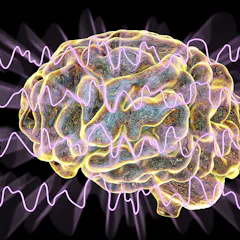
Sleep is an essential part of life. What happens when we don’t get enough sleep and how do we ensure that we do?

Americans have long been divided over adopting permanent standard versus permanent daylight saving time. But support for permanent standard time grew dramatically between 2021 and 2024.
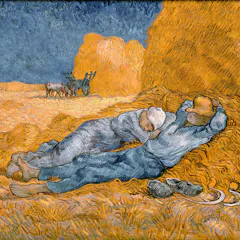
Troubled sleep is often seen as a personal problem, a failure individuals need to fix. However, literature and art can help us question the cultural and systemic issues keeping us up at night.

Sleep appears to play an essential role in a number of brain functions, such as memory. So good quality sleep could play a vital role in preventing dementia.

Depression, bipolar disorder and anxiety have all been linked to problems with sleep and a disrupted circadian rhythm.
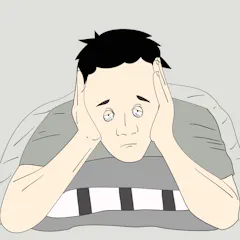
We envisage a future in which sleep is a routine target for reducing or preventing symptoms of mental illness, both in psychiatric settings and people’s homes
Top contributors
-

Emeritus Professor of Psychology, Adelaide Institute for Sleep Health, Flinders University
-
Sleep Researcher, Appleton Institute, HealthWise Research Group, CQUniversity Australia
-
Conjoint Senior Lecturer, School of Medicine and Public Health, University of Newcastle
-
Professor of Sleep Health, University of the Sunshine Coast
-
Associate Professor of Neurology, University of Pittsburgh
-
Research Professor and Director of the Behaviour-Brain-Body Research Centre, Adelaide University
-
Professor and Head of Paediatric Sleep Research, CQUniversity Australia
-
Associate Professor at Turner Institute for Brain and Mental Health, School of Psychological Sciences, Monash University
-
Sleep & Circadian Scientist, CQUniversity Australia
-
Professor of Sleep and Physiology and Director of Surrey Sleep Research Centre, University of Surrey
-
Senior Lecturer in Psychology, CQUniversity Australia
-
Professor Emeritus of Nursing, University of British Columbia
-
Lecturer in Psychology, University of York
-
Lecturer, University of Cambridge; Anglia Ruskin University
-
Royal Holloway, University of London