
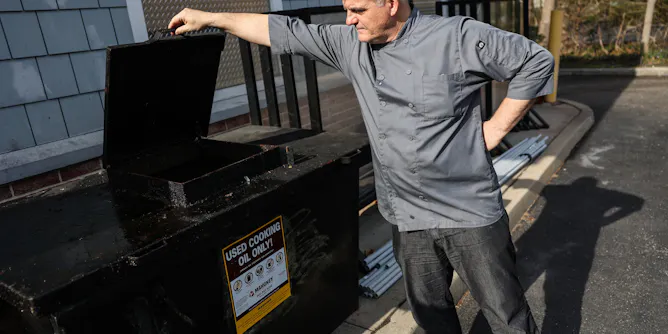
No longer viewed only as waste, used cooking oil is a common ingredient in biofuels.
Articles on Sewage
Displaying 1 - 20 of 87 articles

In Oceanhamnen, wastewater is collected through three separate pipelines, making the processing and reuse of black and greywater more efficient.

For millennia, farmers relied on human urine for its vital plant nutrients. As synthetic fertilisers get more expensive, is it time to give pee a chance?
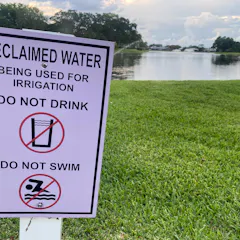
US sewage treatment plants likely don’t get rid of all the disease-causing protozoa, and monitoring discharged wastewater for it is difficult.
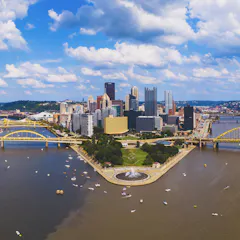
A newly drafted Pittsburgh Steelers player asked whether the city’s rivers are safe for swimming. A water researcher explains what ‘swimmable’ really means regarding the three rivers.

Citizens are taking water testing into their own hands as sewage spills in rivers and on beaches increasingly get reported.

The largest sewage spill in US history wasn’t the first, and it won’t be the last.

River water is not expected to prove to be less polluted when results are published later this year.

Paracetamol has been detected in rivers around the world.

Rather than generating climate-warming emissions and wasting nutrients and energy, food waste can become a resource if processed in sewage treatment plants.
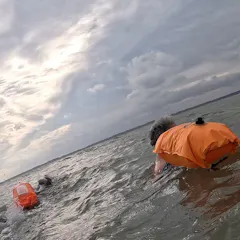
Through navigating pollution, outdoor swimmers are reminded that the health and wellbeing of our bodies is bound to the quality of our waters.

The water industry has been left to police its own pollution.

Profits and public protection appear to be incompatible.

Sinkholes are fairly common in Philadelphia due to aging water lines that leak or burst, causing the surrounding soil to wash away.

Caffeine has been found in more than 50% of samples of 258 rivers in 104 countries.

Huge numbers of chemical discharges into our waterways are not being classified as a pollution incidents.

Current science communications in Cape Town are not serving the public well.
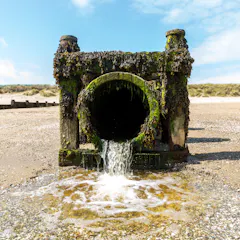
With more extreme weather events comes the possibility of more harm from sewage-associated viruses.

The actions of failing water companies often follow a familiar pattern.

The country should focus on reusing water and demanding less of it in the first place.
Top contributors
-

Associate Professor in Environmental Science, Western Sydney University
-
Professor of Biology, University of Portsmouth
-
Professor of Water Research; Director, Water Alliance, Michigan State University
-
PhD Candidate, Water and Environmental Engineering, Lund University
-
Adjunct associate, Faculty of Engineering and Information Technology, University of Technology Sydney
-
Associate Pro-Vice Chancellory (Reseach Capabiliy), La Trobe University
-
Senior Lecturer in Water Resources Engineering, Victoria University
-
Associate Professor of Neuroscience and Behavioural Analysis, University of Surrey
-
Deputy Director of the Afrobarometer & Associate Professor in the Department of Political Science and MSU’s African Studies Center, Michigan State University
-
Senior Research Fellow, SPRU, University of Sussex Business School, University of Sussex
-
Assistant Professor of Civil and Environmental Engineering, Tufts University
-
Professor of Freshwater Ecology, Monash University
-
Ph.D. student, University of South Florida
-
Professor of Law, University of the Witwatersrand
-
PhD Researcher - Sustainable Wastewater Treatment, Brunel University of London