
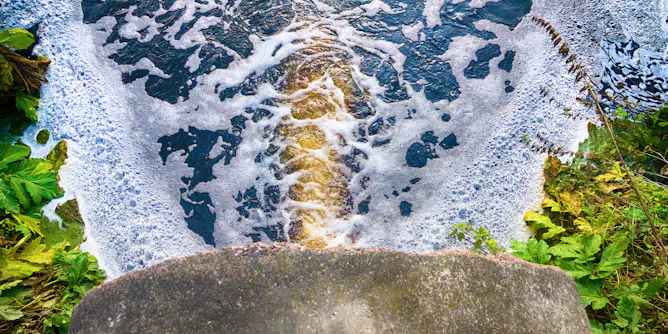
England’s event duration monitoring system records when a sewage overflow starts and stops. But duration alone tells us very little about the pollution released.
Articles on UK sewage crisis
Displaying all articles
River water is not expected to prove to be less polluted when results are published later this year.
Shifting the law to treat rivers as legal ‘persons’ rather than economic assets could offer a radical new way to hold polluters to account.
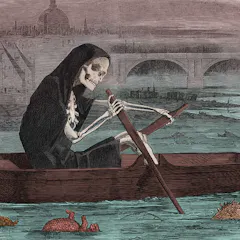
The social hierarchies and environmental exploitation of Victorian England are visible in the sewers of the era.
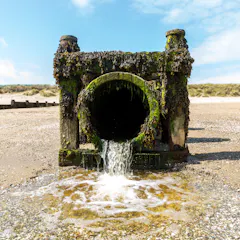
With more extreme weather events comes the possibility of more harm from sewage-associated viruses.
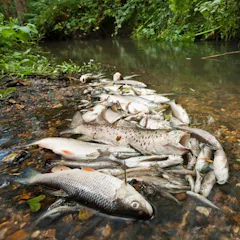
Bans on water company boss bonuses, but no overhaul of Britain’s creaking (and leaking) water industry.

Wipes could be framed as plastic free and biodegradable, sending a false message that it’s ok to flush them.
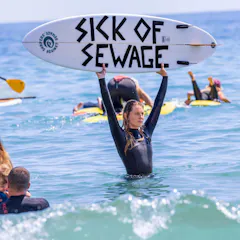
The UK’s Victorian-era sewer network is at breaking point.

Less concrete, more wetlands, fewer wet wipes.

Even in a time with limited alternatives, polluted waterways were not simply accepted without complaint.

Thames Water has mapped its discharges in near real time. But we still need data on the volume of sewage dumped in rivers.
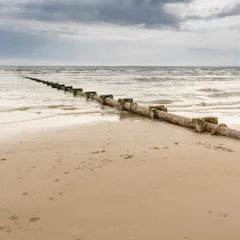
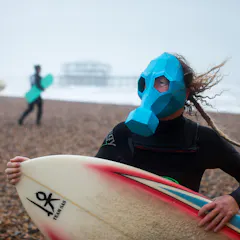
Water companies recently released raw sewage near more than 100 beaches across Britain.
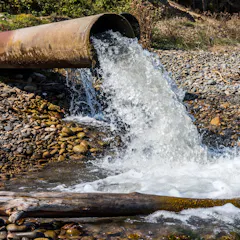
Water and sewerage companies should not be responsible for reporting pollution.
Victorian-era engineering is struggling under decades of underinvestment.
Top contributors
-

Departmental Lecturer and Course Director MSc in Water Science, Policy and Management, University of Oxford
-
Professor in Natural Sciences, Bangor University
-
Senior Lecturer in Environmental Engineering, University of Portsmouth
-
Postdoctoral Research Associate at the School of Biosciences, Cardiff University
-
Professor of Environmental Microbiology, University of Brighton
-
Senior Lecturer in Aquatic Ecology, University of Hertfordshire
-
Professor of Physical Geography, University of Manchester
-
Lecturer in Environmental Geography, Birkbeck, University of London; King's College London
-
Sessional Tutor, Department of History, University of Warwick
-
Principal Research Fellow in Aquatic Environment Health, University of Brighton
-
Associate professor, University of Portsmouth
-
Post-doctoral research associate at the School of Environmental and Natural Sciences, Bangor University
-
Research Fellow in Water and Health Governance, University of Leeds
-
Professor of International and Environmental Law, SOAS, University of London
-
Associate Professor of Hydrology, University of Reading