
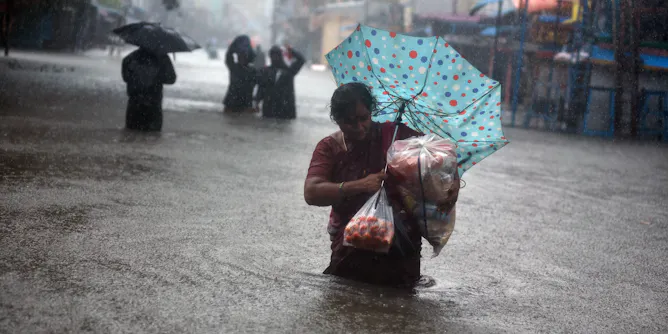
In spite of monsoon season and cyclone Nivar, the most recent floods are largely man-made disasters.
Articles on Sewage
Displaying 41 - 60 of 87 articles

The roadmap predicts that by the 2030s, the sector could boost Australia’s annual GDP by around A$10 billion, create 26,200 jobs and reduce emissions by about 9%.
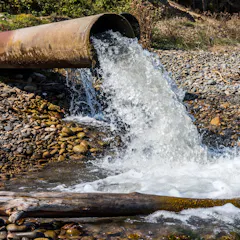
Water and sewerage companies should not be responsible for reporting pollution.
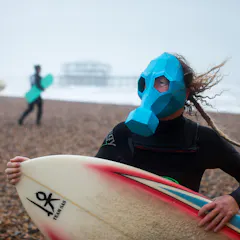
Victorian-era engineering is struggling under decades of underinvestment.
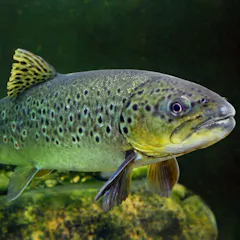
Chemicals in drugs can be excreted unchanged, infiltrating waterways via sewage and effluent.

Don’t share your toilet with your pet, or treat your toilet like a flushable garbage bin. It could lead to dangerous diseases, and clog sewer pipes.

A community’s wastewater can predict coronavirus cases that haven’t yet been diagnosed. The quicker that information is known, the better.
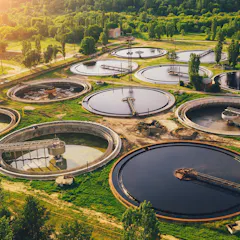
Treatment rates are still low in many developing countries.
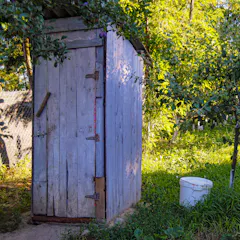
Untreated wastewater is responsible for the deaths of 800 children under five every day, and inflicts serious damage to the environment. Knowing where sewage ends up is vital.

Detection of a virus in wastewater implies the presence of infected people in a community. It’s not quite so simple though.
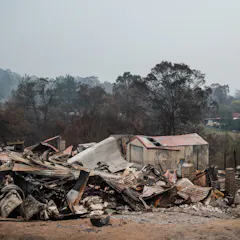
Damage to septic tanks is one of the major health hazards people face when they return to their bushfire-affected homes. It was simply dumb luck a disease outbreak didn’t happen last summer.

The government plans to monitor sewage for the SARS-CoV-2 coronavirus. And while this holds promise to tracking future local outbreaks, there are also some sticky ethical questions to consider.
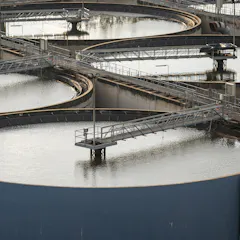
The solids from wastewater plants are usually dumped into landfills because they are contaminated with heavy metals. Now there is a way to remove the metals so the waste can be used as fertilizer.
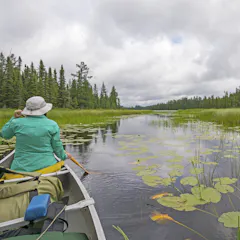
Scientists have a new approach to understanding how pollution threatens species at risk in Canada.

Flushable wipes have won a victory in the Federal Court, but you still shouldn’t put them down the toilet.

As climate change threatens to bring more sudden rainstorms, we need to rethink the way we manage water.
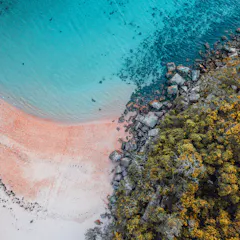
Sydney’s affluent eastern suburbs have raw and untreated sewage from 3,500 people discharged directly into the Tasman Sea.
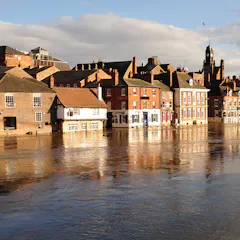
Artificial intelligence can help manage floods effectively, but decisions about which communities are protected require a human touch.
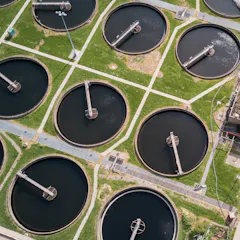
Currently, all the value in sewage sludge is literally being flushed down the toilet.
Tougher penalties are a useful tool for environmental watchdogs.
Top contributors
-

Associate Professor in Environmental Science, Western Sydney University
-
Professor of Biology, University of Portsmouth
-
Professor of Water Research; Director, Water Alliance, Michigan State University
-
PhD Candidate, Water and Environmental Engineering, Lund University
-
Adjunct associate, Faculty of Engineering and Information Technology, University of Technology Sydney
-
Associate Pro-Vice Chancellory (Reseach Capabiliy), La Trobe University
-
Senior Lecturer in Water Resources Engineering, Victoria University
-
Associate Professor of Neuroscience and Behavioural Analysis, University of Surrey
-
Deputy Director of the Afrobarometer & Associate Professor in the Department of Political Science and MSU’s African Studies Center, Michigan State University
-
Senior Research Fellow, SPRU, University of Sussex Business School, University of Sussex
-
Assistant Professor of Civil and Environmental Engineering, Tufts University
-
Professor of Freshwater Ecology, Monash University
-
Ph.D. student, University of South Florida
-
Professor of Law, University of the Witwatersrand
-
PhD Researcher - Sustainable Wastewater Treatment, Brunel University of London