
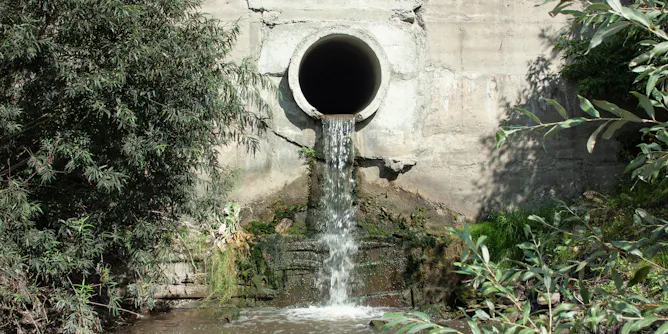
Cities need to find new ways to handle rainwater, especially in the face of climate change. Green infrastructure offers a way to tackle this challenge.
Articles on Sewage
Displaying 21 - 40 of 87 articles
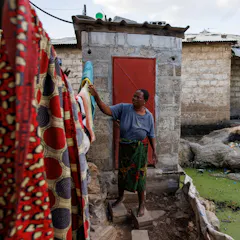
Sewage leaks, rundown communal outdoor toilets and breakdowns in water systems are causing public health disasters across Africa.
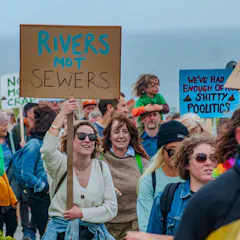
Regulator Ofwat has slapped big fines on water companies, including Thames Water, for sewage pollution offences – will they make a difference?

The Seine river has been closed to bathers for a century. Is it ready for the Olympic Games?
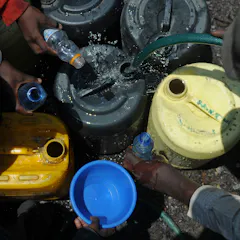
Nigeria is prone to a variety of factors that lead to recurring cholera outbreaks.

Mountain tourism brings revenues to Nepal but leaves a mess behind. Local and international groups are offering new cleanup strategies.
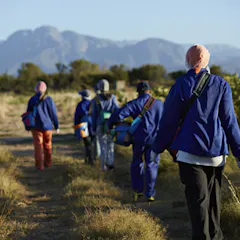
The University of Cape Town’s new report on the impacts of climate change in South Africa found that heatwaves and water stress will affect jobs, deepen inequality, and increase gender-based violence.

The UK’s Victorian-era sewer network is at breaking point.

In South Africa, a group of citizen scientists who test water quality and log the results on a specialised app have helped keep the water supply for 4.3 million people clean.
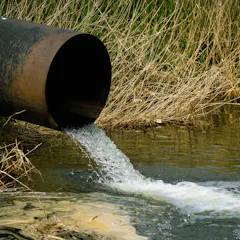
Sewage fungus is actually not a fungus. Our expert explains what it is, where it lives and what can be done to reduce outbreaks in polluted rivers.

We sampled sewage sludge from 13 wastewater treatment plants across three states. We found every resident adds microplastics to farmland, in dried sewage sludge (biosolids) used as fertiliser.

And other ways to enjoy open water safely this summer.
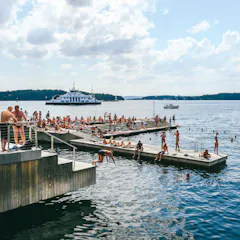
The UK needs to clean its rivers and coastlines, and could look to Europe for how to do it.

Thames Water has mapped its discharges in near real time. But we still need data on the volume of sewage dumped in rivers.
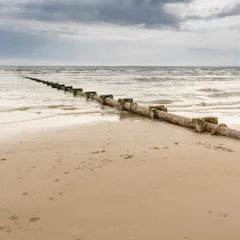
Water companies recently released raw sewage near more than 100 beaches across Britain.
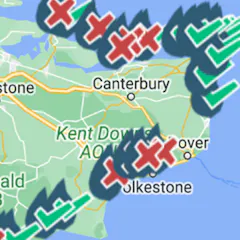
These maps have gone viral – here’s what they owe to 19th century cholera campaigns.
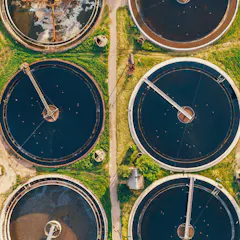
The clue is in your poo. Two experts explain the history and science behind wastewater surveillance.
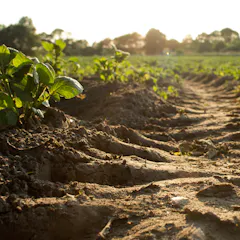
Up to 42,000 tonnes a year of microplastics are removed from sewage, spread on fields as fertiliser and eventually wash back into watercourses.
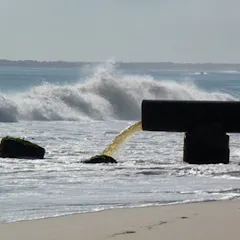
The amount of microplastics in the environment is being significantly underestimated, research shows.

There are myriad benefits to recycling human waste but our reluctance seems to be based on distaste.
Top contributors
-

Associate Professor in Environmental Science, Western Sydney University
-
Professor of Biology, University of Portsmouth
-
Professor of Water Research; Director, Water Alliance, Michigan State University
-
PhD Candidate, Water and Environmental Engineering, Lund University
-
Adjunct associate, Faculty of Engineering and Information Technology, University of Technology Sydney
-
Associate Pro-Vice Chancellory (Reseach Capabiliy), La Trobe University
-
Senior Lecturer in Water Resources Engineering, Victoria University
-
Associate Professor of Neuroscience and Behavioural Analysis, University of Surrey
-
Deputy Director of the Afrobarometer & Associate Professor in the Department of Political Science and MSU’s African Studies Center, Michigan State University
-
Senior Research Fellow, SPRU, University of Sussex Business School, University of Sussex
-
Assistant Professor of Civil and Environmental Engineering, Tufts University
-
Professor of Freshwater Ecology, Monash University
-
Ph.D. student, University of South Florida
-
Professor of Law, University of the Witwatersrand
-
PhD Researcher - Sustainable Wastewater Treatment, Brunel University of London