

While science journalism layoffs pile up and publications shutter, more science communication than ever is available via other online venues.
Articles on Science communication
Displaying 1 - 20 of 336 articles

Uncertainty is part of the scientific process, and it’s not a bad thing – it’s where future discoveries can happen.

From scary headlines to recycled eruption videos, new research reveals how common misconceptions can fuel misinformation about volcanoes.
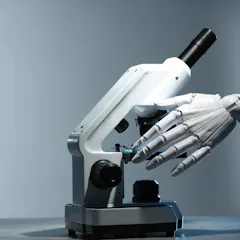
Several scientific fields rely on visual evidence to illustrate their claims. Inaccurate AI-generated images put the credibility of science at risk.

Over two years of interviews with a cohort of STEM college students, many described feeling something personal was lost after using AI to improve their writing.
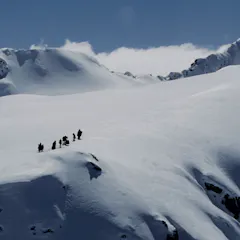
It’s a seemingly whimsical exercise, but it serves serious purposes.
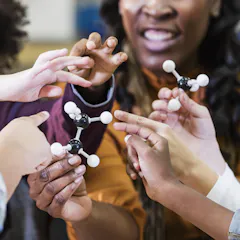
Scientists have traditionally focused on educating the public on science or correcting misinformation. But researchers from marginalized communities often have broader goals in science communication.

Science has always been part of a marketplace of ideas, where claims vie for audiences, resources and belief, and where power, persuasion and status shape which ideas are heard, trusted or forgotten.
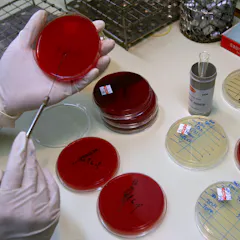
To make real progress, antimicrobial communication needs to be grounded in people’s lived experiences.

New study finds that people in 12 African countries don’t fully accept that extreme weather disasters are caused by climate change. More public awareness is needed.

Current science communications in Cape Town are not serving the public well.
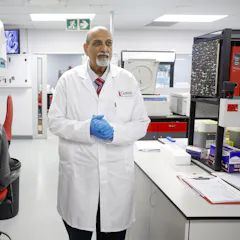
When asked to name a living scientist from their own country, more than half of the respondents in both countries did not reply.

For science to have a meaningful impact on a group of people, new information needs to spread between trusted members of that community.

It’s easy to get caught up in the promise of quick health fixes, but they are generally too good to be true.

A global new survey shows there’s no crisis of trust in scientists, as some might claim. But there are some nuances.
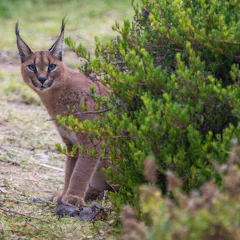
Social media is an effective way to raise conservation awareness about wildlife living on the urban edges.
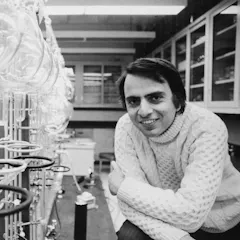
On what would’ve been the astronomer’s 90th trip around the Sun, here’s a look at his legacy as a scientist, advocate and communicator.

Scientists use jargon and complicated language to describe their work. Regular folks ‘get it’ more when descriptions are simpler – and think better of the researchers themselves.

More than three quarters of the world’s population do not speak the language in which the science about climate change is disseminated globally.
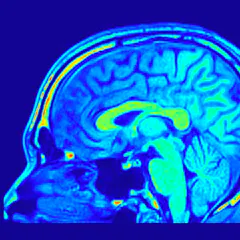
Five simple questions can help spot exaggerated research claims.
Top contributors
-

Associate Professor (hon) at the Centre for Public Awareness of Science, Australian National University
-
Senior Lecturer, Australian National Centre for the Public Awareness of Science, Australian National University
-
Science Communication Researcher, Stellenbosch University
-
Senior Research Fellow, Melbourne School of Psychological Sciences, The University of Melbourne
-
Professor of Public Relations, Michigan State University
-
Senior Lecturer in Philosophy and Education; Curriculum Director, UQ Critical Thinking Project, The University of Queensland
-
Science communicator and communication consultant to Questacon, and alumni, CSIRO
-
Professor, Australian National University
-
Chair, The Conversation Media Group
-
Professor and UNESCO Chair-holder, Australian National University
-
Associate Professor of Health Law, Policy and Management, Boston University
-
Laureate Professor of Mathematics, University of Newcastle
-
Campus Visitor / Director of Econnect Communication, Australian National University
-
Associate Professor, Interim Pro Vice Chancellor Learning and Teaching, Australian National University
-
PhD; Lawrence Berkeley Laboratory (retired) and Research Fellow, University of California, Davis