
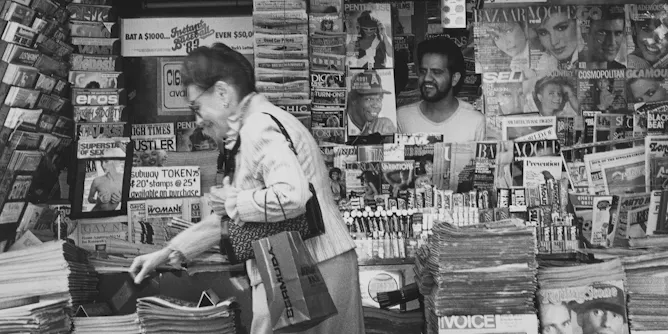
While science journalism layoffs pile up and publications shutter, more science communication than ever is available via other online venues.
Articles on Science journalism
Displaying 1 - 20 of 39 articles
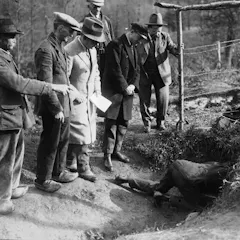
A century-old French archaeological scandal was sensationalized in the press at the time – but responsible scientists also relied on careful reporting to get the truth out.
The study analyses the social media feeds of three science journalism websites: Bhekisisa, SciBraai and The Conversation Africa.

This bias in science journalism seems not to be due only to pragmatic concerns about time zones or the language spoken in the country where the scientist is based.

Preprints are often free to use, making them more accessible for journalists to report on. However, as they have yet to undergo peer review, science journalists take a gamble on their accuracy.

During the pandemic, clear and reliable health communication can literally be a life-and-death issue. Researchers who focus on the science of science communication highlight strategies that work.

Whenever you hear about a new bit of science news, these suggestions will help you assess whether it’s more fact or fiction.

Behind a lot of news headlines often lie either questionable, oversold or misinterpreted research findings. So what should readers be aware of when reading news that contain scientific claims?
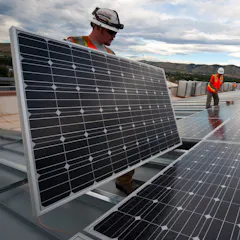
Good communication about climate change requires much more than just alarming messages about all the scary impacts of a warming planet.
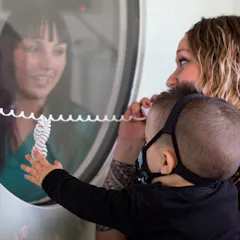
As we enter an era where once incurable diseases become curable, be prepared for some challenging debates about how to pay for gene therapy and the value of a human life.

There is a stark mismatch between the elements required of a modern news story – unique, high impact – and the reality of medical research being slow, meticulous and progressing one step at a time.
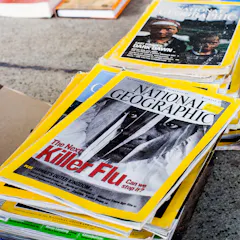
Science is a part of everyday life. Science journalists can do more to connect science to the public.

Shrewd media consumers think about these three statistical pitfalls that can be the difference between a world-changing announcement and misleading hype.

In a media world infected with misinformation and fake news, it has never been more important for scientists to talk directly to the public.
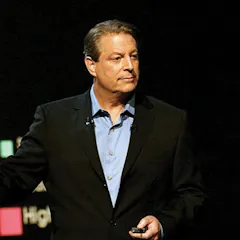
Eleven years after its release, An Inconvenient Truth, the iconic climate documentary, has spawned a sequel. But did the original do more harm than good by polarizing Americans on climate change?
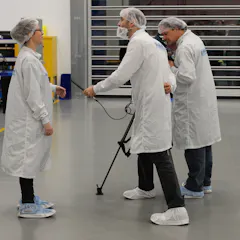
The number of specialist science journalists in Australia has dropped from around 35 to less than five over the period 2005-2017.
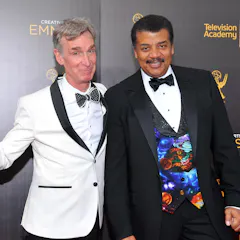
Popular programming that focuses on science tends to not actually be all that popular. Bringing in new audiences who aren’t already up to speed on science topics is a challenge.
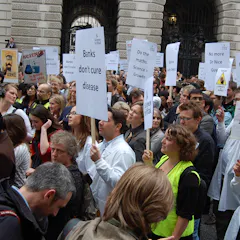
From mistrust in experts to fake news, it has never been more important for scientists to talk directly to the public.
In part three of our series on reporting science, we look at what’s news, different types of science stories and red flags to watch out for.
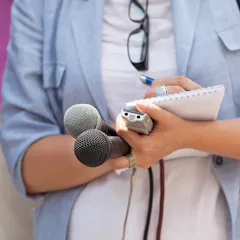
Health reporting requires asking the right questions and doing quality research. But specialist skills are also handy, especially when it comes to knowing the language and processes of science.
Top contributors
-

Professor of Life Sciences Communication, University of Wisconsin-Madison
-
Distinguished Journalist In Residence, Arthur Carter Journalism Institute, Retraction Watch
-
Professor and Chair of Life Sciences Communication, University of Wisconsin-Madison
-
Professor, Australian National University
-
Postdoctoral Researcher in Chemistry, University of Cambridge
-
Ph.D. Candidate in Cognitive Science, University of California, San Diego
-
Ph.D. Candidate in Chemical Biology, Harvard University
-
Director Emerita of the Alan Alda Center for Communicating Science, Stony Brook University (The State University of New York)
-
Visiting Fellow, Australian National University
-
Postdoctoral Research Fellow, Neuroscience, Boston University
-
Postdoctoral fellow, Kellogg School of Management, University of North Carolina at Chapel Hill
-
Professor, School of the Environment, The University of Queensland
-
Chair, The Conversation Media Group
-
Chair in Science Communication & Future Media, University of Salford
-
Professor of Health Psychology, University of Wollongong