
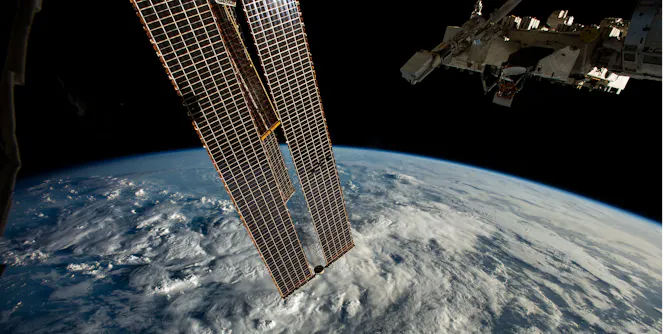
Sabotaged space stations, falsified space probe data and faked alien contact are just a few of the scenarios a report on space cybersecurity outlines.
Articles on Satellites
Displaying 81 - 100 of 301 articles
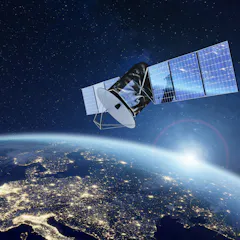
Cyberattacks are a growing threat to government and commercial spacecraft.
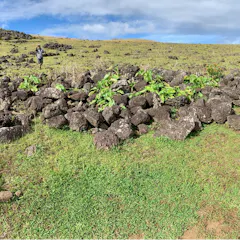
Satellite data shows the amount of food the residents of the tiny Pacific island have grown over time, pointing to a small but stable population.

Spacecraft exteriors that automatically heal from radiation damage would change the game − one material shows promise.
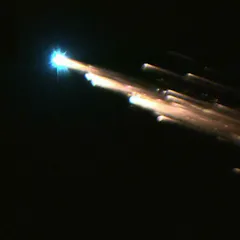
Burnt-up satellites could dump hundreds of tonnes of aluminium in the stratosphere every year. An atmospheric chemist explains what that might mean
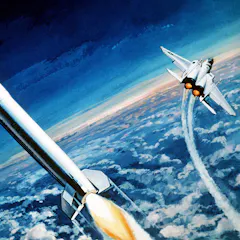
Fears are growing that Russia may be trying to put a nuclear weapon into orbit.
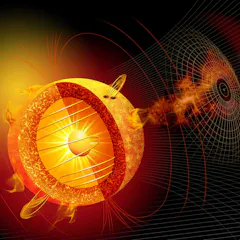
Solar storms can play havoc with electrical grids, satellites and railway lines.
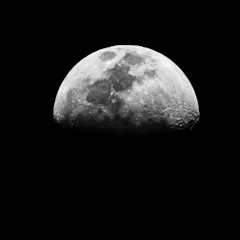
China’s Change'6 is going to explore the Moon’s far side and bring back precious lunar soil for scientists to study.
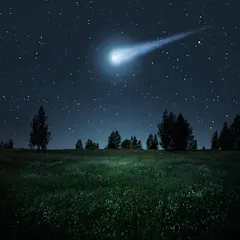
The amount of space junk will increase as we continue to launch objects into space, but there are ways to curb damage on the ground.
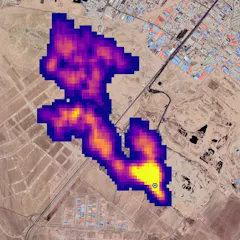
Methane is a potent greenhouse gas that can leak from oil and gas wells, pipelines and landfills. Satellites can spot the releases fast enough to get them fixed and help protect the climate.
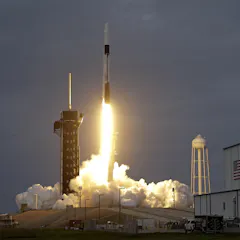
Space exploration is not a waste of resources, but a source of technological and medical advances, a tool for climate monitoring and a source of educational inspiration for youth.

The Starfish Prime test in 1962 showed how dangerous it would be to detonate a nuclear weapon in space.
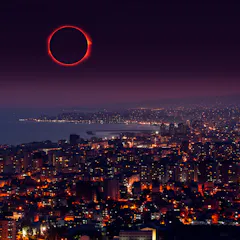
The sky is becoming more cluttered with satellites and space junk. This is affecting astronomical study, but will only have a minor effect — if any — on the viewing of the solar eclipse.
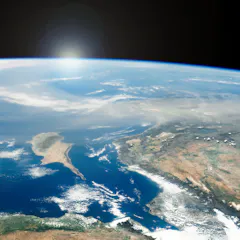
New research reveals our understanding of dust’s role in the environment is far from settled.
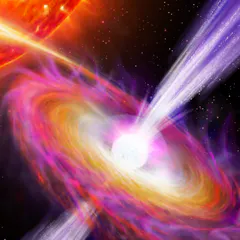
Powerful jets are launched from the most massive objects in our universe, but we don’t fully understand how. This measurement gets us a step closer to solving the mystery.

Without satellites, we wouldn’t have much of the Earth and climate data we have today. And Australia is a world leader in satellite data.
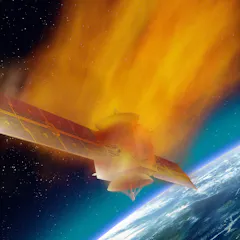
We know particles from spacecrafts are in the stratosphere. But what this means for the ozone layer or the climate is still unknown.
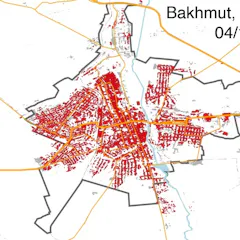
Satellite photography of the Ukrainian city of Bakhmut shows block after block of destroyed buildings. Satellite radar provides a different view – a systematic look at the destruction of the whole city.
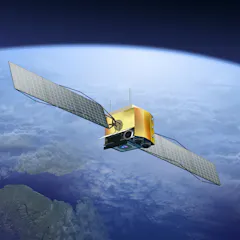
The capability for attacking satellites in space using cyber technology is advancing fast
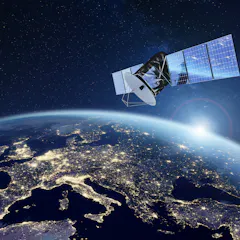
Destroying satellites in space can lead to cascades that are hard to predict.
Top contributors
-

Associate Professor, Astronomy, University of Regina
-
Professor, Physics and Astronomy, University of British Columbia
-
Andrew Dempster is a Friend of The Conversation.
Director, Australian Centre for Space Engineering Research; Professor, School of Electrical Engineering and Telecommunications, UNSW
-
Associate Professor in Archaeology and Space Studies, Flinders University
-
Associate Professor in Astronomy, Monash University
-
Associate Professor of International Affairs, Georgia Institute of Technology
-
Lecturer in space and military law and strategy, UNSW
-
Chief Executive Officer, Australasian Centre for Space Governance; Associate Expert, National Security College, Australian National University
-
Emeritus Professor of International Law, Western Sydney University
-
Adjunct Senior Research Fellow in Environmental Law, University College Dublin
-
Associate Professor, RMIT University
-
Space Plasma Physicist, Imperial College London
-
University Distinguished Professor of Astronomy, University of Arizona
-
Scientific Officer, Obafemi Awolowo University
-
Director, Bushfire Research Centre of Excellence, Australian National University