
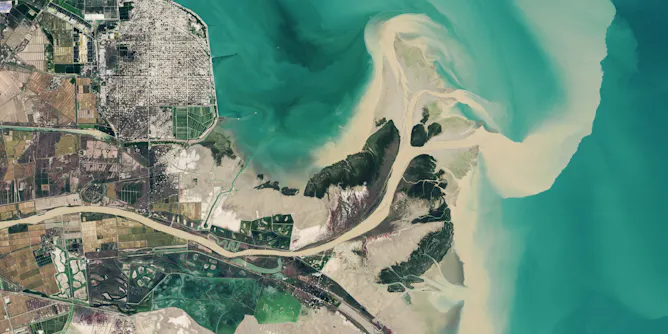
With decades of images and data from the same locations, these satellites can show changes over time, including deforestation, changes in waterways and how loss of trees corresponds to urban heat.
Articles on Satellites
Displaying 141 - 160 of 301 articles
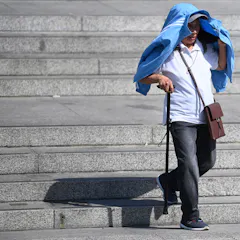
The Met Office issued its heatwave warning six days before the mercury peaked – potentially saving many lives.
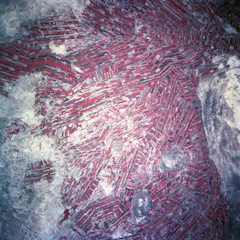
Technologies being developed for growing food in space have contributed to advances in agriculture and crops on Earth.
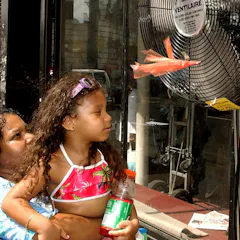
Extreme heat waves are putting lives in danger, with some of the hottest urban neighborhoods 10 degrees hotter or more than their wealthier neighbors. Often, these are communities of color.

Current trends suggest that powerful nations are defining the rules of resource use in space and satellite access in ways that will make it hard for developing nations to ever catch up.
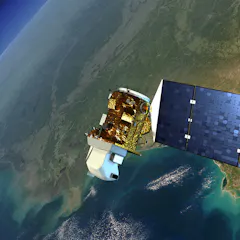
When Indigenous peoples lose their river flow to dams, satellite programs like Landsat – which is celebrating its 50th anniversary – can help them fight for their resources.

Anti-satellite weapons could fill Earth’s orbit with space junk and make it unusable for military and civilian purposes

Africa’s outer space programme can help the continent meet its other flagship goals.
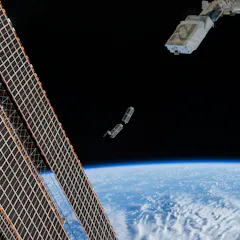
Shrinking satellites are making it cheaper and more accessible to do science in space.
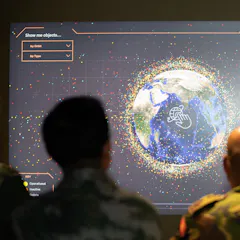
The future of Australia’s space efforts will hinge on coordination between defence, industry and universities.
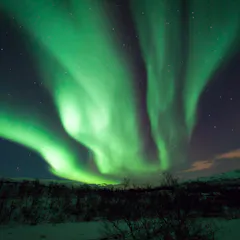
Every few centuries the Sun blasts the Earth with a huge amount of high-energy particles. If it were to happen today, it would wreak havoc on technology.
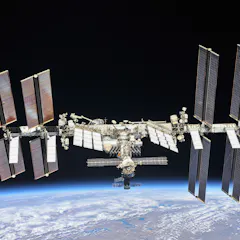
From harming satellites to crashing the ISS, the Ukraine war could soon extend to space.
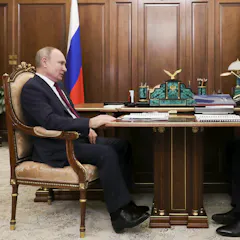
The impact of Russia’s invasion of Ukraine reaches into outer space, as Russia threatens to stop co-operating on supplying and participating in space missions.
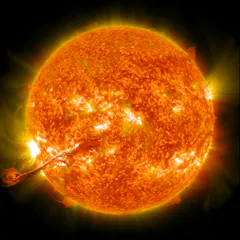
Space weather can affect satellites in a number of different ways, from frying electronics to increasing drag in the atmosphere.
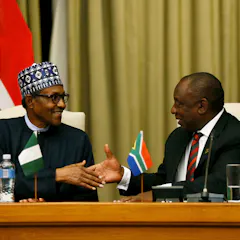
Nigeria-South Africa bi-national commission is a laudable initiative but missing the space cooperation element.
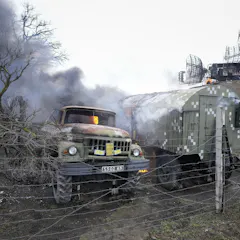
As war begins between Ukraine and Russia, a range of stories provides context to help readers understand the conflict.
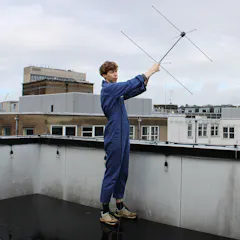
With an antenna, a laptop and some software, you can take a picture of Earth from space.

Glaciers in North America, Europe and the Andes, in particular, have significantly less ice than people realized.
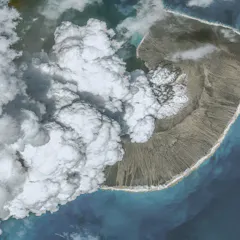
A phenomenon first theorized over 200 years ago is also a telltale sign of nuclear tests.
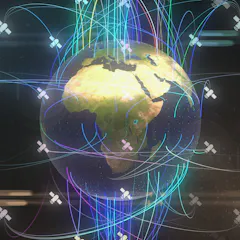
The nanosatellite constellation will detect, monitor and identify foreign vessels within the country’s maritime borders.
Top contributors
-

Associate Professor, Astronomy, University of Regina
-
Professor, Physics and Astronomy, University of British Columbia
-
Andrew Dempster is a Friend of The Conversation.
Director, Australian Centre for Space Engineering Research; Professor, School of Electrical Engineering and Telecommunications, UNSW
-
Associate Professor in Archaeology and Space Studies, Flinders University
-
Associate Professor in Astronomy, Monash University
-
Associate Professor of International Affairs, Georgia Institute of Technology
-
Lecturer in space and military law and strategy, UNSW
-
Chief Executive Officer, Australasian Centre for Space Governance; Associate Expert, National Security College, Australian National University
-
Emeritus Professor of International Law, Western Sydney University
-
Adjunct Senior Research Fellow in Environmental Law, University College Dublin
-
Associate Professor, RMIT University
-
Space Plasma Physicist, Imperial College London
-
University Distinguished Professor of Astronomy, University of Arizona
-
Scientific Officer, Obafemi Awolowo University
-
Director, Bushfire Research Centre of Excellence, Australian National University