

Evidence suggests that Scotland’s bottle deposit scheme would prevent huge amounts of litter from entering the environment.
Articles on Recycling
Displaying 121 - 140 of 411 articles
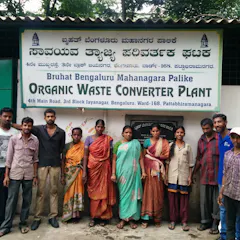
To focus on sustainable development goals, platforms need to change from being exclusively focused on profits and value appropriation to perceiving themselves as public goods.

Collectors of recyclable materials are omnipresent in developing countries such as Brazil, and their work has long been a critical part of waste management, disposal, and recycling.
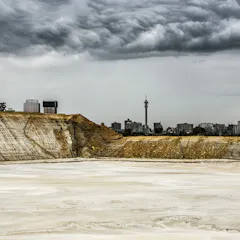
From butchers to hawkers, and shelters to miners, this book reveals the informal economy and texture of the city.

Humans generate a lot of trash, but there are cheaper and safer ways to handle it than loading it on rockets.

The recovery rate from construction and demolition waste has been rising steadily in Australia. However, the use of recycled materials is still not the norm across the construction industry.
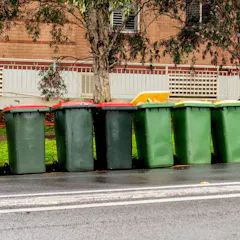
Apartments have lower waste recycling rates than houses, which means the growing numbers of apartment dwellers could add to Australia’s waste management crisis. But there are solutions to the problem.
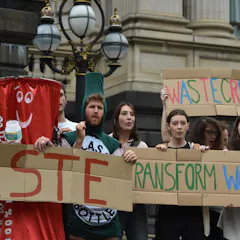
Experimenting with low-waste living shows it’s not easy being green. But householders can help policymakers design better waste management systems.

The vaping craze sweeping the globe is leaving a legacy of contaiminated e-waste in landfill while waste management authorities scramble to set up recycling schemes.
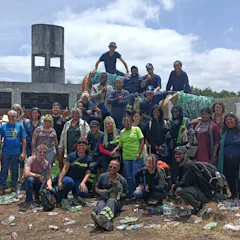
Waste pickers want a say in how policies are designed and implemented.
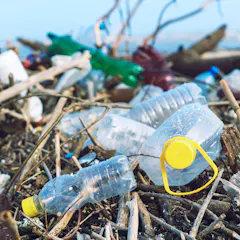
Many countries export their plastic waste abroad – but the mismanagement of this plastic waste is one of the leading causes of plastic pollution in nature.
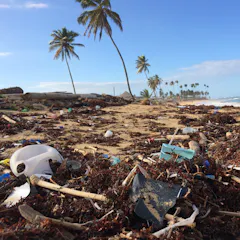
Most single-use plastics produced worldwide since the 1970s have ended up in landfills and the natural environment. Recycling is not a silver bullet.
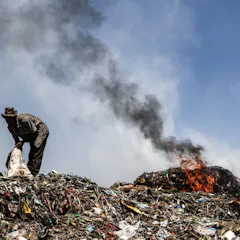
The decision by African ministers of environment to end open waste burning will not only save lives but also open up new income streams.

Everyone is feeling the heat these days – even species that develop underground.

The energy-intensive process of producing cement and concrete contributes significantly to global warming while depleting resources. Much more sustainable alternatives are being developed.
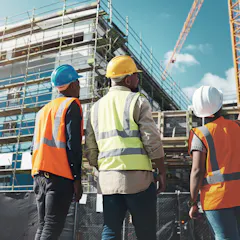
The complexity of construction projects has driven an increase in building waste, which is difficult to recycle and reuse. But there are ways to minimise the problem.
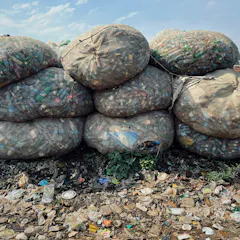
It’s important to look at the whole value chain in the plastics economy, starting with design of products that can be reused and recycled.
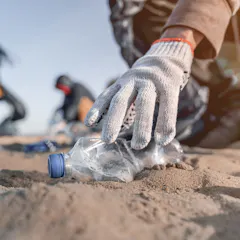
The plastic industry uses powerful tactics to convince us it’s not that bad, but in reality many of their green solutions aren’t working.
Between reuse and recycling, what happens to the batteries of electric vehicles?
This Plastic Free July, we need to be teaching children to demand less plastic from the world’s worst producers instead of expecting change from individual recycling efforts.
Top contributors
-

Senior Research Fellow, BehaviourWorks Australia, Monash University
-
Lecturer, School of Life and Environmental Sciences, Deakin University
-
Associate Professor and Research Director, Institute for Sustainable Futures, University of Technology Sydney
-
Professor of Global Environmental Politics, University of California, Berkeley
-
Professor of Applied Environmental Science, University of Southampton
-
Research Principal, Institute for Sustainable Futures, University of Technology Sydney
-
Chair professor - Circular Economy, The University of Melbourne
-
Research Chair, Indigenous Approaches to Environmental Management, Keele University
-
Senior Lecturer, School of Property, Construction and Project Management, RMIT University
-
Associate Dean and Head of Project Management, RMIT University
-
Professor of Sustainable Development, Keele University
-
Research Director, Institute for Sustainable Futures, University of Technology Sydney
-
Research associate, Loughborough University
-
PhD Candidate in Environmental Science, Policy, and Management, University of California, Berkeley
-
Birkbeck, University of London