

Learning communities are supporting circularity across Europe by rethinking processes for recycling waste or reconditioning clothing and vehicles, and navigating policy U-turns.
Articles on Plastic recycling
Displaying 1 - 20 of 60 articles

Our whole system is built to reward recyclability. But what actually matters is how much we’re manufacturing in the first place.

Fashion made out of recycled polyester mostly uses plastic bottles. That’s not a good thing.
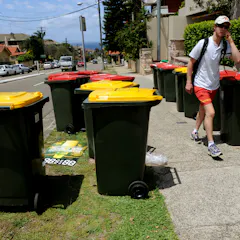
The first thing to know is that what’s accepted in your yellow-lidded kerbside bin depends on where you live.

International efforts to reach agreement on reducing plastic pollution are disappointing. But we don’t need to wait for a treaty to make changes in our own lives.
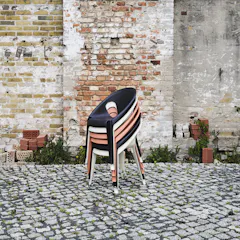
Studying the evolution of the plastic chair provides unique insights into society’s shifting attitudes to plastic.

Research shows most Australians believe they are good recyclers – but they’re often wrong. Here’s how to avoid common recycling mistakes.
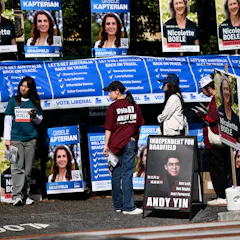
From corflutes and how-to-vote cards to 250,000 pencils, 240,000 volunteer vests and 80,000 ballot boxes, here’s what happens to election materials after polling day.

Not all plastic is the same. Old yogurt cups and milk jugs, for example, don’t play well together when being turned into new materials. However, there are solutions.
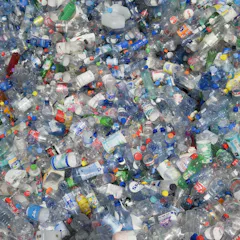
Pyrolysis breaks down plastic and generates potentially useful oil − but it’s not a silver bullet for the planet.

Plastic waste expert Mark Miodowonik explains the history of plastic and why he believes manufacturers must be responsible for making sure plastic is recycled.

Plastic pollution in the world’s ecosystems could cost more than $280 trillion in environmental damage. That’s at least $120 trillion higher than the cost of reducing plastic production and pollution.
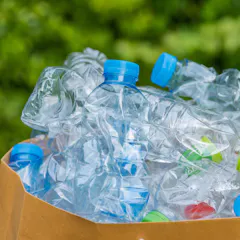
Are you considering buying fewer plastic bottles in the future? Maybe not, but now that the question has been asked, you’re bound to think about it.

A proposed chemical recycling plant in western Michigan may provide a handful of jobs but little environmental benefit.

Millions of people are being urged to take part in Plastic Free July. Yet we know consumer choice is only one part of the picture. Eliminating plastic waste requires broader structural change.

Whether we can recycle plastic or not depends on what it’s made of (because there are many different types of plastic), if it’s sufficiently clean and if enough people will buy recycled products.

Australia’s Soft Plastics Taskforce has been under pressure to fill the vacuum left by the demise of REDcycle. But this time the small trial announced for Melbourne has the potential to succeed.
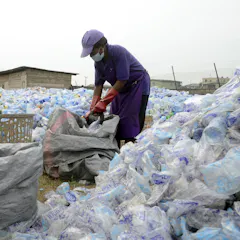
Recycled plastics are not safe if the chemicals used in creating them in the first place are harmful.
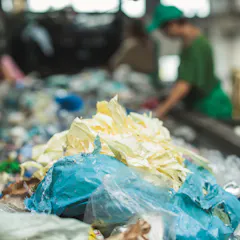
United Nations efforts to advance a global treaty on plastic pollution echo past multilateral agreements that tackled ozone layer depletion and acid rain.
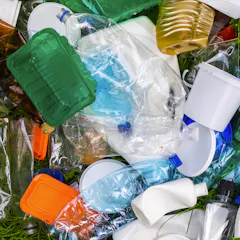
A team of scientists has developed a method for creating a new class of plastic materials that are potentially more recyclable than single-use plastics.
Top contributors
-

Associate professor, Swansea University
-
Research Principal, Institute for Sustainable Futures, University of Technology Sydney
-
Research Director, Institute for Sustainable Futures, University of Technology Sydney
-
ARC DECRA Senior Research Fellow in Environmental Sociology, RMIT University
-
Associate Deputy Vice Chancellor in Research & Innovation, RMIT University
-
Associate Professor, Te Kunenga ki Pūrehuroa – Massey University
-
Research Chair, Indigenous Approaches to Environmental Management, Keele University
-
Assistant Professor of Marketing, State University of New York at New Paltz
-
Dean of Graduate Studies & Professor, College for Creative Studies
-
Senior Lecturer, Auckland University of Technology
-
Associate Professor, Business & Society, Audencia
-
Distinguished Professor of Chemistry, University of California, Santa Barbara
-
Ending Plastic Waste Mission Director, CSIRO
-
Research Director, Institute for Sustainable Futures, University of Technology Sydney
-
Postdoctoral Research Fellow, Ecology and evolutionary biology, University of Toronto