

While the sports sector’s environmental impact is not fully understood, it has a social platform and reach to influence a significant number of people worldwide to choose more sustainable behaviors.
Articles on Recycling
Displaying 201 - 220 of 411 articles
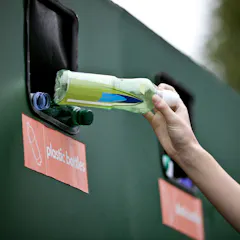
We investigated plastic recycling in the UK and uncovered startling inconsistencies.
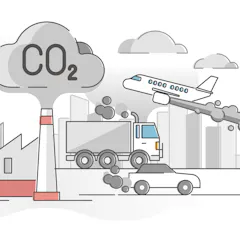
Recycling and turning off the lights are good steps towards a more sustainable society, but they are not nearly as important for the climate as reducing meat consumption, air travel and driving.
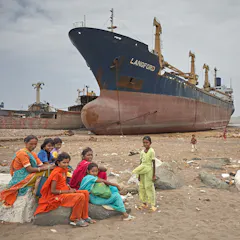
Shipbreaking is one of the world’s most dangerous jobs – but it doesn’t have to be.
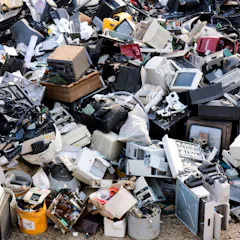
Within the growing mountains of electronic waste, precious metals lie waiting to be recovered.

In places where reusable cups are allowed, coffee drinkers, cafe owners and local governments can use insights from behavioural science to discourage use of throwaway cups.

Pandemic precautions have given new life to disposable plastic products, which the industry claims are more ‘hygienic’ than reusables. But critics say there’s no scientific evidence this is so.
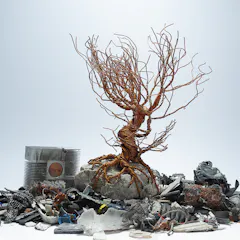
Demand for electric and electronic products is fuelling the meteoric rise in e-waste.
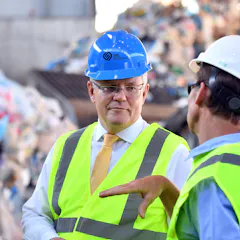
The federal government today announced $1 billion plan to divert more than ten million tonnes of waste from landfill. But waste management is about more than just recycling.

The ‘pots to planes’ appeal in the summer of 1940 helped inspire a mass recycling effort, but problems soon emerged.

The COVID-019 pandemic has boosted use of disposable packaging and personal protective equipment, at the same time that many recycling programs are facing budget cuts. The upshot: More plastic trash.
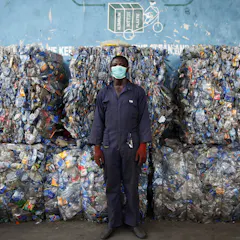
With oil selling at rock bottom prices, a glut of cheap plastic could reverse progress on recycling.

We shouldn’t try to banish waste entirely. We need to rethink it.

From take-make-waste to reuse, repair and remanufacture.
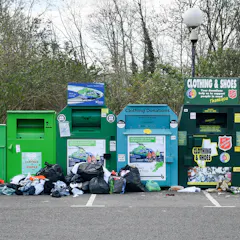
Lockdown has exposed real problems with the circular economy which urgently need to be addressed.
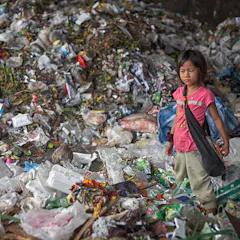
Even recycled plastics still end up in landfill with our current system.
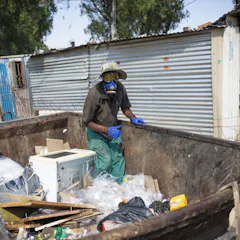
The clock is ticking: in the absence of government support, not being able to work means waste reclaimers don’t have money to buy food.
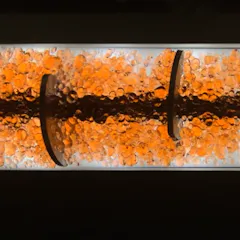
Electronic waste is accumulating and is a resource to be exploited. Microfluidic devices allow the development of recycling, including the recycling of rare earths – a precious resource.
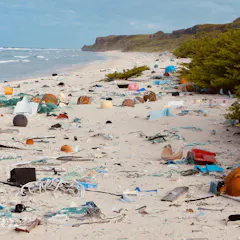
New research from Australia’s national science agency shows a huge amount of ocean plastic ends up on land, where it gets trapped.
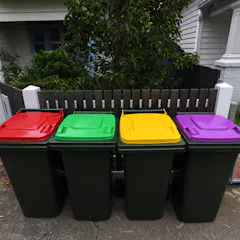
By 2030, no matter where Victorians live or visit, they’ll have a consistent kerbside bin system.
Top contributors
-

Senior Research Fellow, BehaviourWorks Australia, Monash University
-
Lecturer, School of Life and Environmental Sciences, Deakin University
-
Associate Professor and Research Director, Institute for Sustainable Futures, University of Technology Sydney
-
Professor of Global Environmental Politics, University of California, Berkeley
-
Professor of Applied Environmental Science, University of Southampton
-
Research Principal, Institute for Sustainable Futures, University of Technology Sydney
-
Chair professor - Circular Economy, The University of Melbourne
-
Research Chair, Indigenous Approaches to Environmental Management, Keele University
-
Senior Lecturer, School of Property, Construction and Project Management, RMIT University
-
Associate Dean and Head of Project Management, RMIT University
-
Professor of Sustainable Development, Keele University
-
Research Director, Institute for Sustainable Futures, University of Technology Sydney
-
Research associate, Loughborough University
-
PhD Candidate in Environmental Science, Policy, and Management, University of California, Berkeley
-
Birkbeck, University of London