

Corporate supply chains are riddled with high, uncounted emissions, as Lego discovered. New regulations mean more companies will face tough, sometimes surprising, choices.
Articles on Recycling
Displaying 101 - 120 of 411 articles
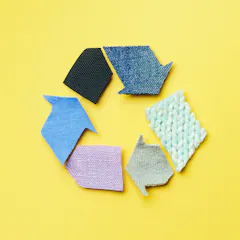
Brands like Zara and H&M are teaming up with recycled textile producers but more collaboration is needed.
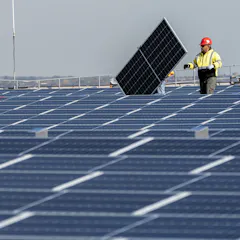
The demand for the minerals needed to build clean energy technology currently exceeds the available supply. If this issue continues, governments may find it hard to reach their clean energy targets.

Pulverised fuel ash can be recycled and used to manufacture concrete as well as other products.

New research shows that Americans may have absorbed public messaging about the importance of recycling too well.

Toys are the most plastic-intensive consumer goods in the world. So how can we avoid movie tie-in fads adding to the surging plastic waste problem?
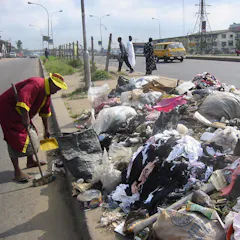
Lagos has a waste problem that can be tackled by adopting a sustainable waste management policy that considers income brackets.

The overarching goal of Indigenous cultural practices is to prevent the overconsumption of resources that underpins society’s throwaway culture.

Our buildings and infrastructure can only become sustainable if the sector shares, leases, reuses, repairs, refurbishes and recycles materials and products. A new report maps out out how to get there.

The UK needs to fix its recycling system for a more sustainable future.

Rubbish can be reused or recycled – or it may end up in a dumpsite.

Confusion about what should and shouldn’t be recycled? You’re not alone – and it’s causing some people to ignore recycling altogether.

Making less plastic and reusing what exists should be the priority.
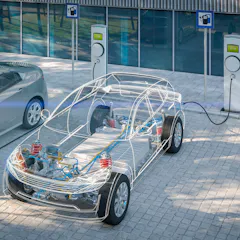
The environmental impacts of electric vehicle batteries range from mining, and energy and water use to the hazards of discarded batteries. These issues can be resolved, but there’s no time to waste.
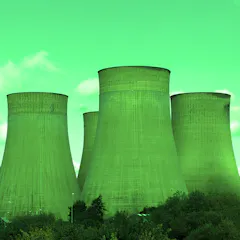
Look for hidden trade-offs, political contributions and what businesses are not telling you.
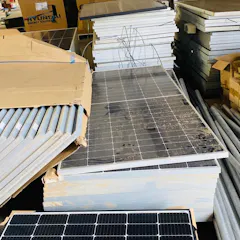
As the energy revolution gains pace, huge numbers of PV panels are already going to landfill. Many are still usable and even those that aren’t contain valuable materials that shouldn’t be discarded.

As much as 31% of grant beneficiaries engage in informal work to ‘grow’ their income.

Companies like it when your phone breaks and you have to buy another. But we’d all save a lot of money if we could actually repair the things we purchased.

Using found materials from dump sites, the large scale works examine the residues of colonialism.

Researchers have developed a method for producing strong plastic materials by tweaking the chemical structure of superglue.
Top contributors
-

Senior Research Fellow, BehaviourWorks Australia, Monash University
-
Lecturer, School of Life and Environmental Sciences, Deakin University
-
Associate Professor and Research Director, Institute for Sustainable Futures, University of Technology Sydney
-
Professor of Global Environmental Politics, University of California, Berkeley
-
Professor of Applied Environmental Science, University of Southampton
-
Research Principal, Institute for Sustainable Futures, University of Technology Sydney
-
Chair professor - Circular Economy, The University of Melbourne
-
Research Chair, Indigenous Approaches to Environmental Management, Keele University
-
Senior Lecturer, School of Property, Construction and Project Management, RMIT University
-
Associate Dean and Head of Project Management, RMIT University
-
Professor of Sustainable Development, Keele University
-
Research Director, Institute for Sustainable Futures, University of Technology Sydney
-
Research associate, Loughborough University
-
PhD Candidate in Environmental Science, Policy, and Management, University of California, Berkeley
-
Birkbeck, University of London