
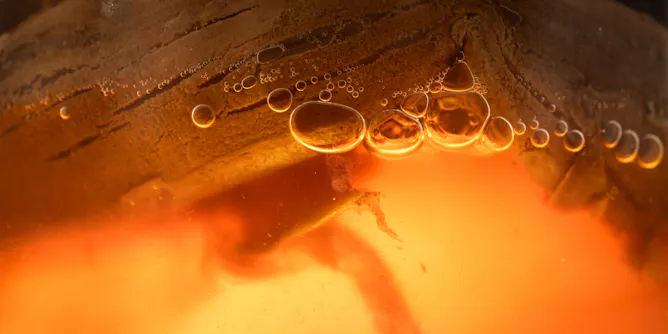
Give a bacteria-fungi biofilm access to sweetened tea and you can make not only kombucha – but a fibre vital to making clothing.
Articles on Pollution
Displaying 141 - 160 of 650 articles
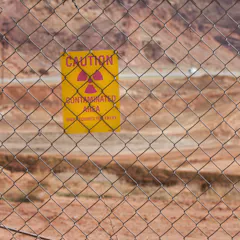
A uranium mine wants to drill into a giant aquifer system the size of Austria.
For example, the first Trump administration tried to use the principles of transparency to prevent federal agencies from considering major health studies when setting pollution rules.

Should we use less-polluting and silent fireworks, drones and laser light shows to replace traditional displays? Research shows there is still an environmental cost.
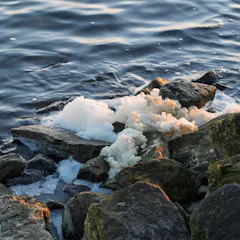
PFAS are made up of a chain of incredibly strong carbon-fluorine bonds, which make them difficult to break down.
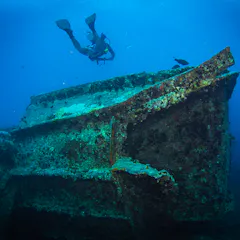
As their structures break down, the wrecks could release toxic substances into the environment.

Many ecosystems face multiple serious threats. Recovery will be complex and difficult – but not impossible.

Once these chemicals are in an environment they almost never break down.
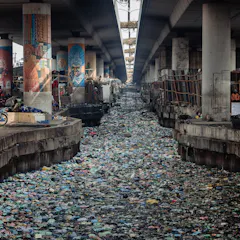
There are 960 million disposable baby diapers used and thrown away every year in Ghana, Nigeria and Kenya. Ways need to be found to recycle them instead.
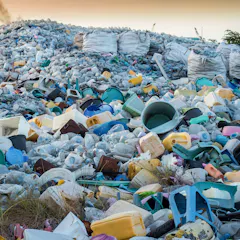
Right now, nations are negotiating the details of a treaty designed to slash plastic waste. One option on the table: tax new plastic to discourage overproduction.

A new law is forcing water companies to make pollution data readily accessible to the general public - but it doesn’t go far enough.

The industry has a reputation for pollution and waste, but it has psychological effects as well.
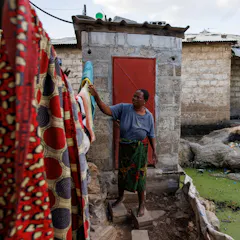
Sewage leaks, rundown communal outdoor toilets and breakdowns in water systems are causing public health disasters across Africa.

Natural ‘plastic eaters’ could help in the fight against pollution in Africa.
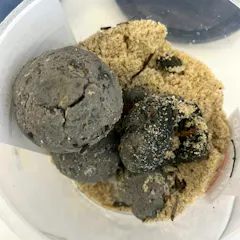
When lumps of black goop washed up Sydney’s beaches, an oil spill was the initial suspect – but a detailed chemical analysis points to sewage as the likely source.

Honeybees can act as a key ally in pollution monitoring efforts across Canada.
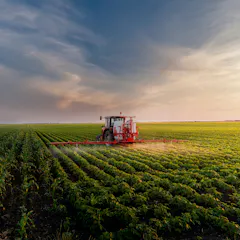
Our research team closely studies plants and soil to develop fertilisers that don’t harm the environment.
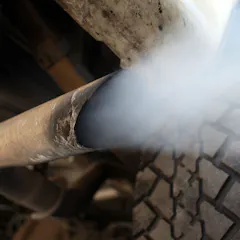
Ultrafine particles are approximately one-thousandth the width of a human hair. But because of their tiny size, they are easily inhaled – and typically more dangerous than larger particles.
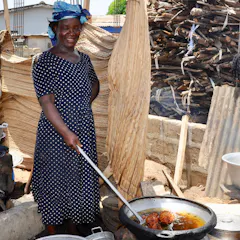
Environmental consciousness means people are less likely to cook using firewood.

How much microplastic does a city produce? To find out, we looked at Brisbane’s Moreton Bay, where microplastics build up without being washed away
Top contributors
-

Honorary Professor, School of Natural Sciences, Macquarie University
-
Associate Professor in Environmental Science, Western Sydney University
-
Professor, UNSW Law & Justice and UNSW Institute for Climate Risk & Response, UNSW
-
Professor of Environmental Science, University of South Africa
-
ARC Future Fellow and Associate Professor in Climate Science, ARC Centre of Excellence for 21st Century Weather, The University of Melbourne
-
Emeritus Professor of Medicine, Adelaide University
-
Senior Principal Research Scientist, Environment, CSIRO
-
Senior Research Fellow at the Stockholm Environment Institute, University of York
-
Professor, Obafemi Awolowo University
-
Professorial Fellow, ARC Centre of Excellence for Coral Reef Studies, James Cook University
-
Professor of Biology, University of Portsmouth
-
Postdoctoral research fellow, University of the Ryukyus, Okinawa Japan, Madonna University, Nigeria
-
Associate Professor, Australian National University
-
Professor, Australian National University
-
Associate Professor and Water Management Expert, University of South Africa