

Eastern states have experienced more vegetation growth during late winter and early spring, while WA has had lower plant growth. Here’s what this means for symptoms.
Articles on Air quality
Displaying 1 - 20 of 152 articles

The fungus appears to feed on the airborne alcohol vapours produced during whiskey maturation.

You spend eight hours a night in the one room nobody ventilates. That’s bad for your sleep, and ideal for mould.

As climate-related hazards become more frequent and severe, protecting our health will require moving beyond warnings toward prevention.

Economic interests have shaped society’s response to pollution. Now, policy needs to align with the scientific evidence to clean up our air.

Even as they create and enable expansive virtual worlds, data centers are physical buildings in real communities around the nation and the globe.

By 2100, 100 million Americans could breathe unhealthy air in the summer, seven times more than in 2000.

A three year study of Tanzanian children found that changing the way homes are designed can prevent diarrhoea, pneumonia and malaria, and help children grow taller.

Ads from the 19th and 20th centuries shows how the industry has long tried to promote coal as clean and even healthy, despite evidence to the contrary.
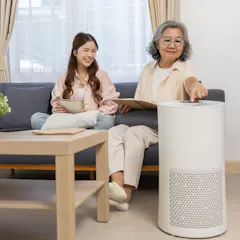
The gain isn’t huge, but it’s a notable improvement – similar to what people experience when they start exercising more.

The blaze at the Geelong oil refinery in Victoria has reportedly been extinguished. But residents in the area may be worried about the health effects of lingering smoke.

Electric taxis are a long-term climate solution whose immediate value lies in cleaner air, lower operating costs, lower noise and better urban health.

The Clean Air Act gave California the authority to issue tough pollution standards for vehicles, with EPA approval. The Trump administration is now trying to stop it.
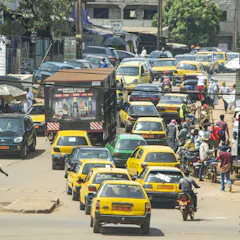
Every city is different but they can learn from each other.

A new study linking Pittsburgh’s air pollution to thousands of deaths each year has been published just as the EPA moves to weaken pollution standards.
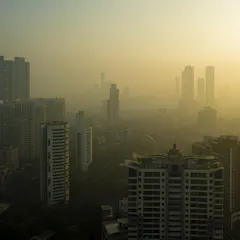
New research reveals that the adverse environmental and health impacts of atmospheric dust in the world’s rapidly growing megacities deserve far more attention.

A German habit has been trending in recent weeks: ‘lüften,’ or airing out your home. It can help older, damp homes in the US – if circumstances are right.
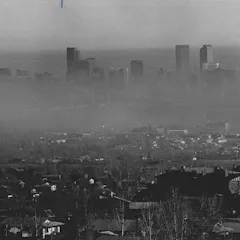
The EPA is changing how it assesses proposed regulations by dropping the monetary value of health benefits from its cost-benefit analyses. That misses a big piece of the picture.

An atmospheric chemist offers quick, easy and inexpensive suggestions to reduce indoor air pollution.
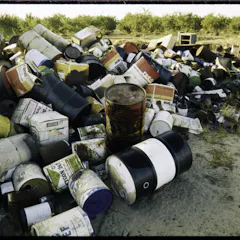
Critics of environmental protection laws may have forgotten how much progress has been made.
Top contributors
-

Associate Professor, University of Pretoria
-
Professor of Civil and Environmental Engineering, Rice University
-
Professor of Atmospheric Chemistry at the National Centre for Atmospheric Science, University of York
-
Professor of Chemical and Biochemical Engineering, University of Iowa
-
Professor of Mechanical Engineering, University of Colorado Boulder
-
Associate Professor of Chemical Engineering, The University of Melbourne
-
Senior Research Fellow, Woolcock Institute of Medical Research, Macquarie University and the South West Sydney Clinical School, UNSW Sydney. Affiliate, Centre for Safe Air., UNSW
-
Adjunct academic, mycology, Flinders University
-
Professor, University of Pretoria
-
Honorary Professor, School of Natural Sciences, Macquarie University
-
University of Iowa Distinguished Chair, Professor of Environmental Health, University of Iowa
-
Adjunct Professor of Architecture, University of Technology Sydney
-
Professor of Atmospheric Science, University of Birmingham
-
Professor, Faculty of Health Sciences, Simon Fraser University
-
Assistant Professor, Faculty of Health Sciences, Simon Fraser University