
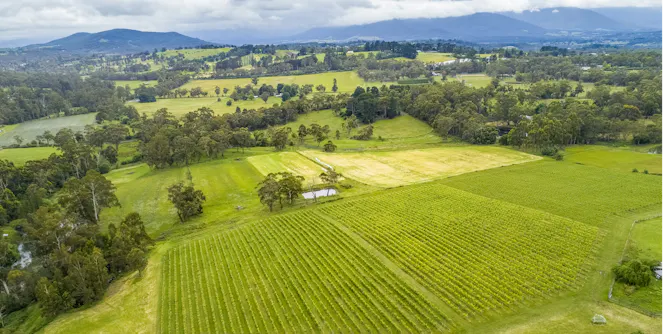
We must stop using biosolids for farmlands immediately, especially when alternative ways to recycle wastewater sludge already exist.
Articles on Pollution
Displaying 381 - 400 of 650 articles
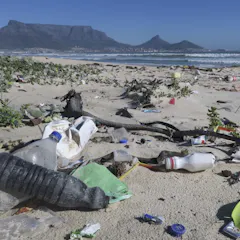
Knowledge about the movement of marine plastics will help reduce the impact of plastic pollution in water bodies.

A long-awaited NZ$700 million package to clean up New Zealand’s rivers and lakes has disappointed some of the government’s expert advisers – especially a delay on setting clear pollution limits.
Neighborhood characteristics like pollution from busy roads, widespread public transit use and lack of community-based health care are putting certain communities at greater risk from COVID-19.

Here’s how microplastics from your clothes end up in the deep sea.

The data shows a big improvement of pollution levels over some cities – but in others, pollution has, perhaps surprisingly, increased.

When the current crisis passes, we must seize the opportunity to re-imagine, and to create, a different kind of future.
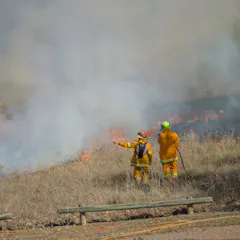
Expanding planned burning is often touted as a way to lessen the risk of bushfires. But this burn-off season is bad news for the COVID-19 pandemic.

Islamic law requires Muslims to ritually clean their body before praying. This guidance has particular relevance at a time when hand-washing is important to contain the spread of the coronavirus.
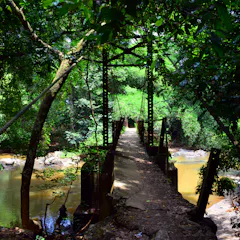
Population growth and attendant human activities are destroying a freshwater ecosystem.

What drives an industry leader like DuPont to prioritise corporate profit over stakeholder prosperity?

PFAS have been used in everything from coffee cups to frying pans. But they’re toxic, and accumulating in the environment.

Radical thinking in Greater Manchester’s cycling and walking plan could direct cities away from car-focused infrastructure.

According to a new study, about four in 10 air pollution deaths in the US are due to emissions crossing state lines.

Chocolate plants can absorb cadmium through their roots and store it in chocolate leaves and seeds. Cadmium levels in processed chocolate depending on the production process and the producers.
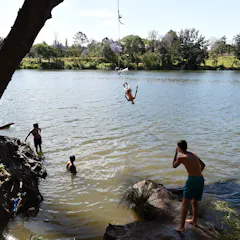
If you want to swim in the Yarra River, you can check the water quality to see if it’s safe. If you want to swim in the Nepean River, you can’t – and that’s a problem.

Plants can store mercury and keep it from contaminating waterways, air and soils. Unfortunately, that mercury is released when plants burn.
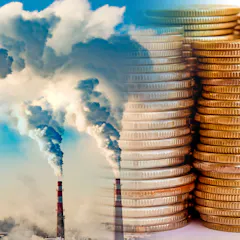
CO₂ will need to be removed from the atmosphere to avoid catastrophic heating. Can the process be incentivised?
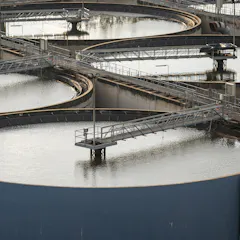
The solids from wastewater plants are usually dumped into landfills because they are contaminated with heavy metals. Now there is a way to remove the metals so the waste can be used as fertilizer.
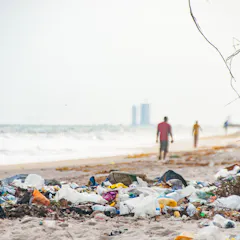
Nigeria’s government must encourage citizens to embrace a system where plastic never become waste.
Top contributors
-

Honorary Professor, School of Natural Sciences, Macquarie University
-
Associate Professor in Environmental Science, Western Sydney University
-
Professor, UNSW Law & Justice and UNSW Institute for Climate Risk & Response, UNSW
-
Professor of Environmental Science, University of South Africa
-
ARC Future Fellow and Associate Professor in Climate Science, ARC Centre of Excellence for 21st Century Weather, The University of Melbourne
-
Emeritus Professor of Medicine, Adelaide University
-
Senior Principal Research Scientist, Environment, CSIRO
-
Senior Research Fellow at the Stockholm Environment Institute, University of York
-
Professor, Obafemi Awolowo University
-
Professorial Fellow, ARC Centre of Excellence for Coral Reef Studies, James Cook University
-
Professor of Biology, University of Portsmouth
-
Postdoctoral research fellow, University of the Ryukyus, Okinawa Japan, Madonna University, Nigeria
-
Associate Professor, Australian National University
-
Professor, Australian National University
-
Associate Professor and Water Management Expert, University of South Africa