
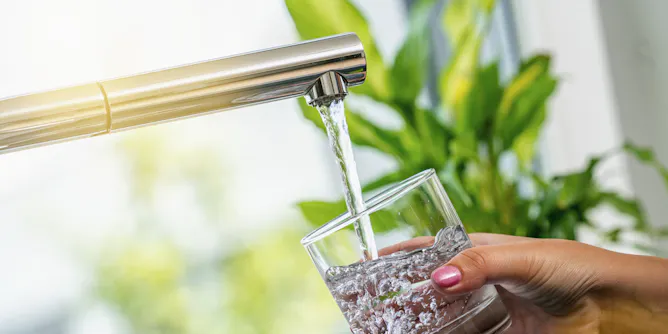
Growing and changing demands for water and the increasing impacts of climate change are adding to the challenge of ensuring everyone has access to a safe and reliable water supply.
Articles on Pollution
Displaying 181 - 200 of 650 articles
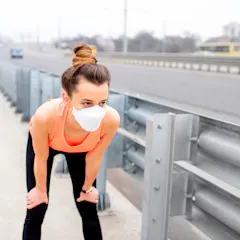
Sports activities can expose you to pollutants that are hazardous to your health.
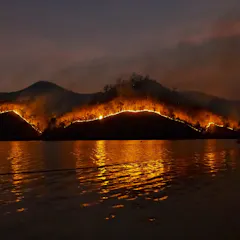
The record-breaking and destructive forest fires of the summer of 2023 made headlines. But how did they affect the millions of lakes in the burned catchment areas?

Researchers found blood-lead levels in sparrows were a predictable indicator of blood-lead levels in children – showing how humans and nature are inextricably linked.
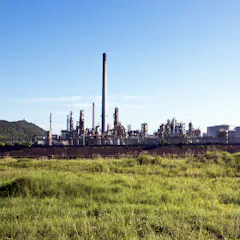
South Africa’s state-owned Central Energy Fund has paid five US cents, or one rand, for a huge oil refinery that isn’t in working condition. The public may have to foot the bill to clear up oil leaks.
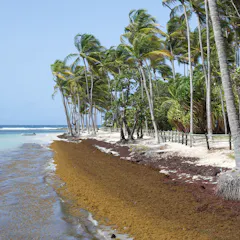
A leading driver of this seaweed invasion is pollution, carried down rivers and into the Atlantic Ocean from the continents.
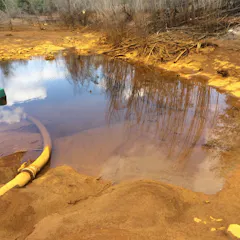
Uncontrolled pollution from hundreds of disused mines has contaminated the water and soil used by Soweto’s urban farmers.
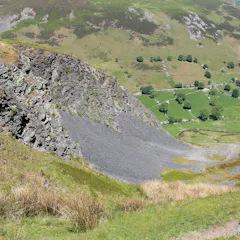
New research shows how old lead mines are polluting the environment and surrounding wildlife and farmland with legacy contaminants.

Modern pharmaceuticals have saved millions of lives, however, there is growing concern that these same drugs may pose a real ecological concern for human and non-human life alike.
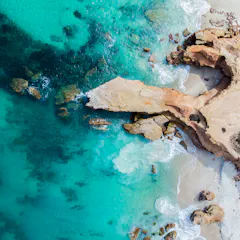
States are once again turning to desalination to secure freshwater supplies. The problem is, they’re often choosing the wrong spot for ecosystems and fisheries

There is a long history of the UK government failing to adequately provide for Gypsy and Traveller communities’ needs.

Among the poisons found in 36% of the frogs tested, rodenticide was detected for the first time. Pesticides are considered a threat to hundreds of amphibian species.
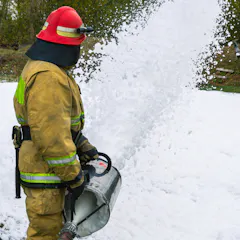
In Australia, the taxpayer has footed the bill for the forever chemical clean-up so far. But this will have to change.
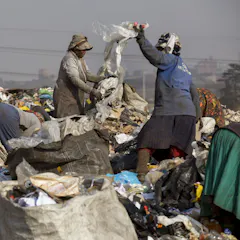
Because waste pickers go through trash and leave behind everything without value, they know better than anyone which plastics should be eliminated.
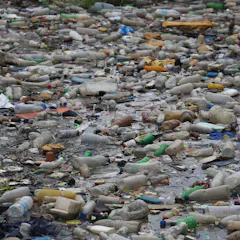
The more plastic, the more waste we produce. It sounds simple, but this discovery could help us find ways of ending plastic pollution.

From synthetic fabrics to car exhaust to wildfires, exposure to environmental pollutants push the skin microbiome to adapt in ways that reduce its ability to protect the skin.
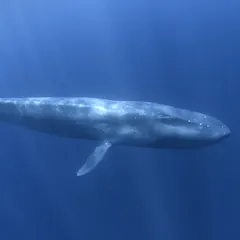
The first dedicated scientific surveys have confirmed the presence of blue whales in Seychelles.

Fining companies that flout environmental regulations is an effective strategy, if the penalties are severe enough.
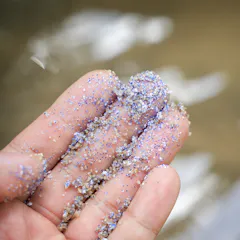
Microplastics are created when everyday products – including clothes, food and beverage packaging, home furnishings, plastic bags, toys and toiletries – degrade.
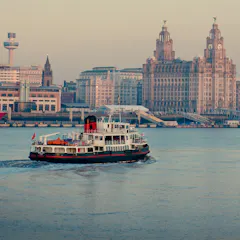
Huge amounts of PFAS come from wastewater treatment plants, new study finds.
Top contributors
-

Honorary Professor, School of Natural Sciences, Macquarie University
-
Associate Professor in Environmental Science, Western Sydney University
-
Professor, UNSW Law & Justice and UNSW Institute for Climate Risk & Response, UNSW
-
Professor of Environmental Science, University of South Africa
-
ARC Future Fellow and Associate Professor in Climate Science, ARC Centre of Excellence for 21st Century Weather, The University of Melbourne
-
Emeritus Professor of Medicine, Adelaide University
-
Senior Principal Research Scientist, Environment, CSIRO
-
Senior Research Fellow at the Stockholm Environment Institute, University of York
-
Professor, Obafemi Awolowo University
-
Professorial Fellow, ARC Centre of Excellence for Coral Reef Studies, James Cook University
-
Professor of Biology, University of Portsmouth
-
Postdoctoral research fellow, University of the Ryukyus, Okinawa Japan, Madonna University, Nigeria
-
Associate Professor, Australian National University
-
Professor, Australian National University
-
Associate Professor and Water Management Expert, University of South Africa