
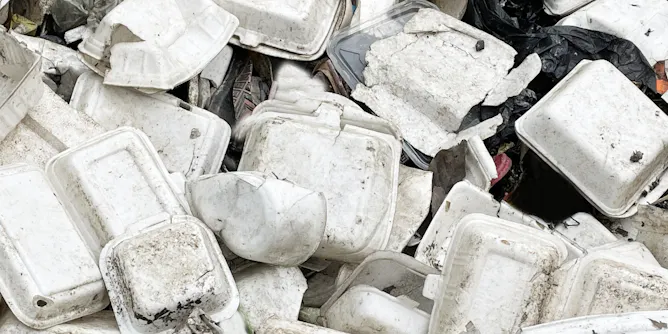
Plastic tax would work better than a ban in Lagos, Nigeria.
Articles on Pollution
Displaying 201 - 220 of 650 articles
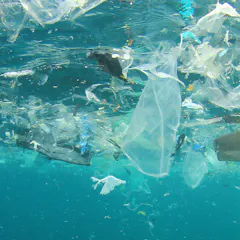
As it travels around the ocean, plastic litter can harm wildlife and marine habitats in many ways. This study highlights five key hotspots where floating plastic poses the biggest risk.
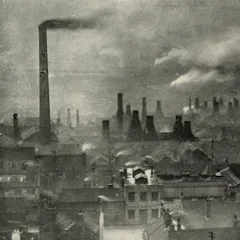
Scientists have been debating the start of the Anthropocene Epoch for 15 years. I was part of those discussions, and I agree with the vote rejecting it.
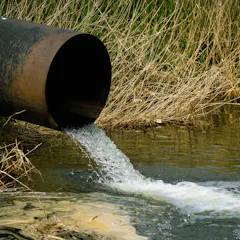
Sewage fungus is actually not a fungus. Our expert explains what it is, where it lives and what can be done to reduce outbreaks in polluted rivers.

On March 7, workers at the Ford Rouge River plant marched for better working conditions, sparking America’s labor movement. Almost a century later, a quiet park honors their memory.
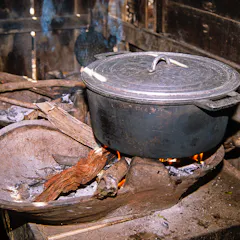
Dust and traffic pollution add to the health hazard posed by some cooking fuels.
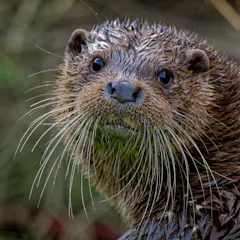
Research has revealed how British otters may have been able to recover from species loss in the 1950s with the help of otters from Asia.

If not properly managed, heavy metals such as arsenic can accumulate in landfills and leach into soils and groundwater.

We sampled sewage sludge from 13 wastewater treatment plants across three states. We found every resident adds microplastics to farmland, in dried sewage sludge (biosolids) used as fertiliser.
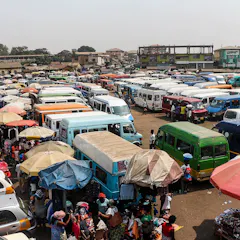
Critics have described Ghana’s emissions tax as premature.
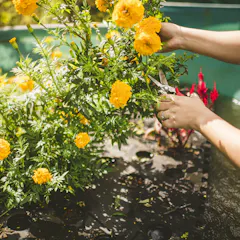
Phosphorus and nitrogen contribute to water pollution and cause harmful algal blooms. New research shows how mats of floating flower beds can take advantage of these nutrients while cleaning the water.
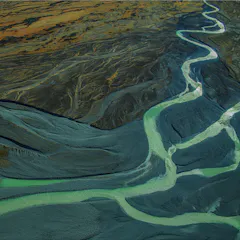
By allowing a case against local greenhouse gas emitters to go ahead, the Supreme Court of New Zealand has opened the door to a new front in climate law – one that takes tikanga Māori into account.
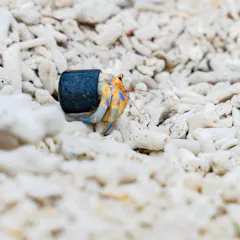
Hermit crabs have been using plastic waste such as bottle tops as homes instead of empty snail shells.
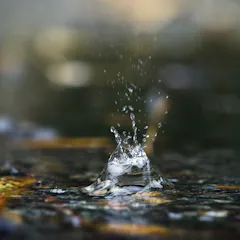
Microplastic pollution is a growing problem − one lab is looking at tiny insects as inspiration for how these pollutants might move through water.
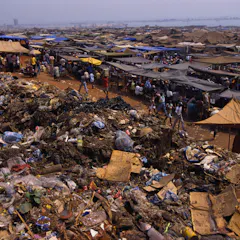
Garbage is decomposing in landfill sites across sub-Saharan Africa, releasing methane gas. If governments harnessed this as clean energy, Africa would avoid environmental damage worth US$6.7 billion.
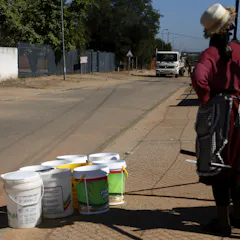
This year’s Blue Drop Audit report of water quality in South Africa has found that 46% of water supply systems are contaminated and over two thirds of wastewater treatment plants are close to failure.
Society’s wealthiest are responsible for generating climate change – but who are these people, and why are their emissions so high?
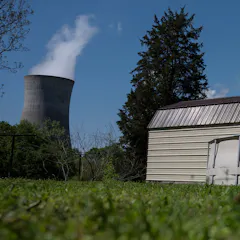
The longest-running study of its kind reviewed death records in the path of pollution from coal-fired power plants. The numbers are staggering − but also falling fast as US coal plants close.

Increasing awareness of the dangers ‘forever chemical’ road salts pose to our fresh water systems highlights the urgent importance of finding new approaches to de-icing our roads.
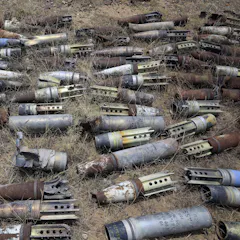
Wars are multiplying – and the damage these conflicts do isn’t just immediate. They leave long-term environmental damage
Top contributors
-

Honorary Professor, School of Natural Sciences, Macquarie University
-
Associate Professor in Environmental Science, Western Sydney University
-
Professor, UNSW Law & Justice and UNSW Institute for Climate Risk & Response, UNSW
-
Professor of Environmental Science, University of South Africa
-
ARC Future Fellow and Associate Professor in Climate Science, ARC Centre of Excellence for 21st Century Weather, The University of Melbourne
-
Emeritus Professor of Medicine, Adelaide University
-
Senior Principal Research Scientist, Environment, CSIRO
-
Senior Research Fellow at the Stockholm Environment Institute, University of York
-
Professor, Obafemi Awolowo University
-
Professorial Fellow, ARC Centre of Excellence for Coral Reef Studies, James Cook University
-
Professor of Biology, University of Portsmouth
-
Postdoctoral research fellow, University of the Ryukyus, Okinawa Japan, Madonna University, Nigeria
-
Associate Professor, Australian National University
-
Professor, Australian National University
-
Associate Professor and Water Management Expert, University of South Africa