
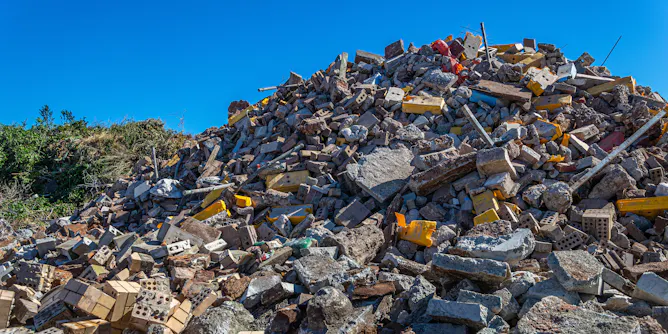
Urban mining recovers valuable resources from the vast amounts of waste cities produce.
Articles on Pollution
Displaying 161 - 180 of 650 articles
People living near these industries, as well as emergency responders, often have few details about the chemicals inside. New interactive maps pinpoint the risks.

This playlist of podcast episodes invites listeners to engage in learning and unlearning; to acknowledge the tragic legacies of residential schools and to move beyond a single day of remembrance.
Pollution solutions start with public pressure, often in the face of industry pushback and slow-moving political responses.

Some materials react and generate potentially helpful particles when exposed to light. Analytical AI can help scientists sort through materials to find ones with this property.
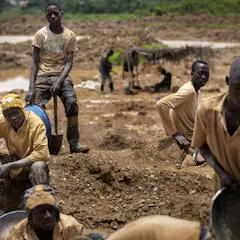
Several of Ghana’s water bodies and forests have been destroyed by illegal small-scale mining.

In Nigeria, the national grid is so unreliable that individual homes procure much of their own electricity. They’re pivotal in the country’s transitions to renewable energy and should be subsidised.

A specially coated foil removed more than 99% of E. coli bacteria from water in laboratory tests.

Nigeria must enforce its environmental laws to protect people living in the Niger Delta and their environment.

A team of particle physicists have rolled out the first inexpensive South African air quality monitoring system using artificial intelligence to predict areas of high pollution.
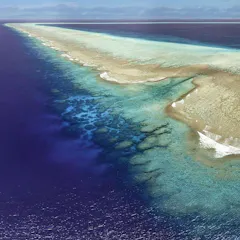
Australia’s largest oil and gas company wants to drill for gas under a pristine coral reef.
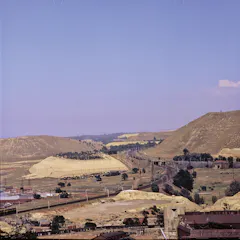
Acid mine drainage, toxic water spilling from mines, ruins the environment and affects people’s health. Plants and bacteria could help clean it up.

The growing environmental and health risks posed by microplastics can only be addressed by reducing the amount of plastic produced and ensuring that all of it is recycled.
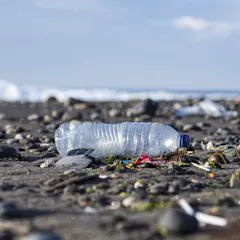
A new study shows up to 90% of floating plastic rubbish is captured in estuaries and inner shorelines. Local community cleanups can make a real difference by stopping pollution at its source.
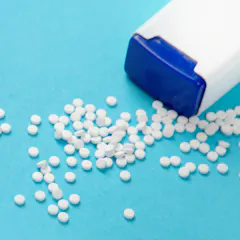
Artificial sweeteners aren’t metabolised by the human body, so they are excreted – and that’s where the environmental problems begin.
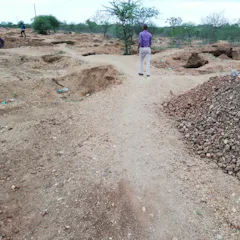
Smallholder farmers in Gwanda, rural Zimbabwe face droughts and rising temperatures from climate change. Their environment is also being damaged by artisanal gold miners, new research has found.
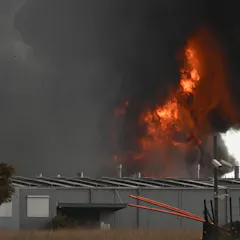
The first thing to remember is that all smoke is harmful. Typically, if you can smell smoke, it’s at a level where it’s impacting your health.

New research shows an abundance of microplastics in the St. Lawrence River and its estuary, where 45 million people live and is home home to several million animals, invertebrates and plants.
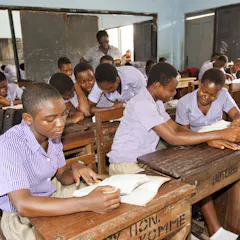
Geoscience literacy and awareness among the Ghanaian public is poor.

Millions of people are being urged to take part in Plastic Free July. Yet we know consumer choice is only one part of the picture. Eliminating plastic waste requires broader structural change.
Top contributors
-

Honorary Professor, School of Natural Sciences, Macquarie University
-
Associate Professor in Environmental Science, Western Sydney University
-
Professor, UNSW Law & Justice and UNSW Institute for Climate Risk & Response, UNSW
-
Professor of Environmental Science, University of South Africa
-
ARC Future Fellow and Associate Professor in Climate Science, ARC Centre of Excellence for 21st Century Weather, The University of Melbourne
-
Emeritus Professor of Medicine, Adelaide University
-
Senior Principal Research Scientist, Environment, CSIRO
-
Senior Research Fellow at the Stockholm Environment Institute, University of York
-
Professor, Obafemi Awolowo University
-
Professorial Fellow, ARC Centre of Excellence for Coral Reef Studies, James Cook University
-
Professor of Biology, University of Portsmouth
-
Postdoctoral research fellow, University of the Ryukyus, Okinawa Japan, Madonna University, Nigeria
-
Associate Professor, Australian National University
-
Professor, Australian National University
-
Associate Professor and Water Management Expert, University of South Africa