
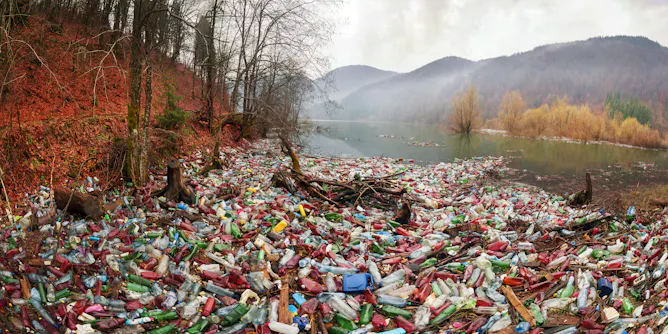
A global treaty on plastic pollution must incentivize a take-make-reuse waste management system and include quantitative targets based on geography-specific emissions.
Articles on Plastic pollution
Displaying 121 - 140 of 205 articles
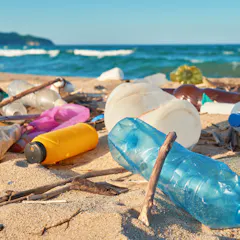
Plastic waste is a huge problem. To fix it, we need systemic change, not just a focus on picking it up or recycling plastic once it becomes rubbish.
Over 170 countries have endorsed a resolution to negotiate a plastics treaty that’s much more precise than the Paris climate change agreement.
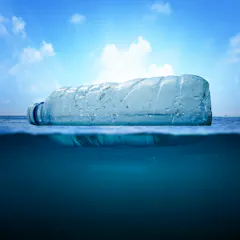
Without action in the next five years, an extra 80 million tonnes of plastic may end up in the ocean by 2040.
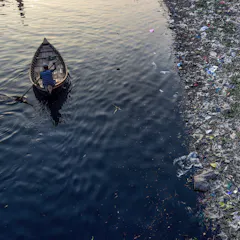
Representatives of 175 countries voted to start developing a global treaty to reduce plastic waste. Treaties addressing mercury, long-range air pollution and ozone depletion offer some lessons.
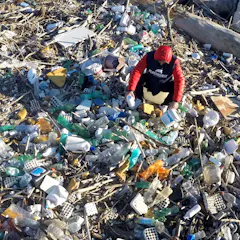
Global plastics production is set to double by 2040. The upcoming UN meeting is a chance for New Zealand to stake a stronger position on a proposed treaty to reign in plastic pollution.
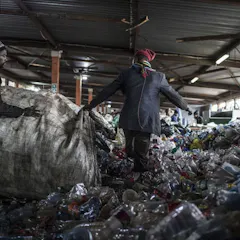
In South Africa, the work of ensuring plastic bottles are recycled lies with consumers and volunteers instead of the large industry polluters.
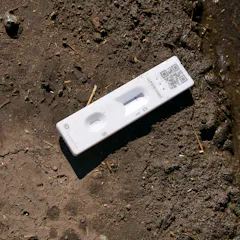
Each home testing kit contains around 10 grams of plastic.
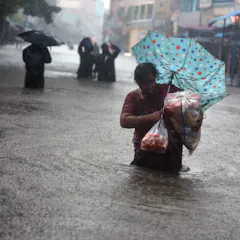
In spite of monsoon season and cyclone Nivar, the most recent floods are largely man-made disasters.
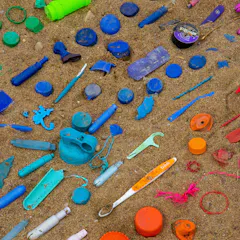
In this episode, two Indigenous scientists running collaborative labs to address our climate crisis offer some ideas for environmental justice, including a redefinition of pollution.
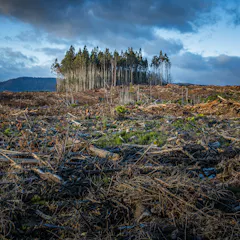
Colonialism is manifested by the way pollution impacts the lives of Indigenous peoples in Canada. Two Indigenous environmental scientists discuss how they’ve overcome obstacles in their research.
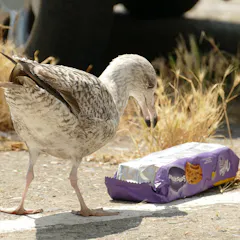
Researchers are uncovering how microplastic particles are carried in wind, rain and snow to remote regions of our planet.
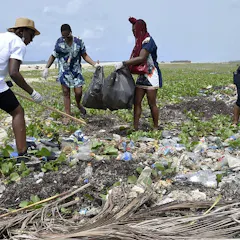
African government and international funding partners should focus on building laboratories in different parts of Africa to support plastic pollution research.
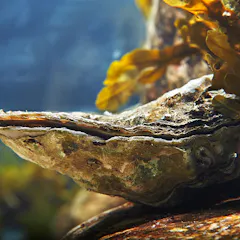
Nanoplastics and arsenic can affect some of the most basic functions of oysters.
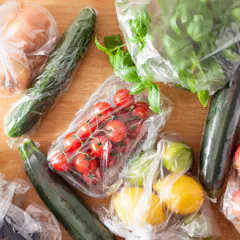
The film is similar to other plastics, but it can be composted at home.
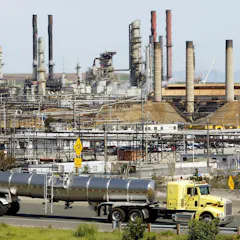
As global oil consumption drops, oil companies are pivoting to petrochemicals, and could crowd out bio-based alternatives.
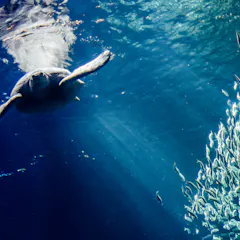
The ocean moderates climate change by absorbing CO₂ emissions, hosts valuable biodiversity and provides food to millions, but all of these services are threatened by pollution and human activities.
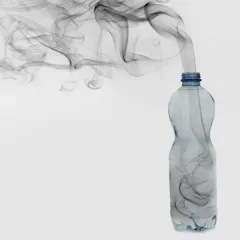
Plastic has become a major part of the carbon cycle, a discovery that has implications for how we tackle climate change.
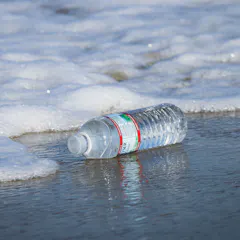
Each bit of plastic takes a unique journey once it reaches the ocean. We’re trying to spot the patterns.

Increasing plastic pollution in southern hemisphere oceans adds a deadly threat to albatrosses, already among the world’s most imperiled seabirds with 73% of species threatened with extinction.
Top contributors
-

Professor of Ocean Policy and Economy, University of Portsmouth
-
Assistant Professor of Ecology and Evolutionary Biology, University of Toronto
-
Director - Global Plastics Policy Centre, University of Portsmouth
-
Senior Principal Research Scientist, Environment, CSIRO
-
Lecturer in Resource Efficiency Systems, School of Civil Engineering, University of Leeds; Imperial College London
-
Associate Professor in Arts and Sustainability, University of Portsmouth
-
Professor, School for Resource and Environmental Studies, Dalhousie University
-
Associate professor, University of Portsmouth
-
Research Chair, Indigenous Approaches to Environmental Management, Keele University
-
Banting Postdoctoral Fellow, Ocean Sciences, Memorial University of Newfoundland
-
Research Associate, Department of Civil and Environmental Engineering, Imperial College London
-
Postdoctoral research fellow, University of the Ryukyus, Okinawa Japan, Madonna University, Nigeria
-
Professor of Geography and Environmental Science, Memorial University of Newfoundland
-
Professor of Sustainable Development, Keele University
-
Professor of Law and Associate Dean for International Affairs, Wake Forest University