
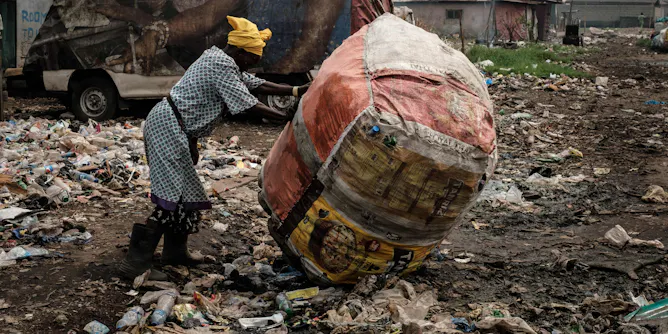
In Nigeria, informal collectors of plastic bottle waste are central to resolving the clash between its environmental costs and economic benefits.
Articles on Plastic pollution
Displaying 41 - 60 of 205 articles
Plastic debris in the sea hosts the plastisphere, a whole new microbial ecosystem.
To be truly fair, a global treaty on plastic pollution must tackle the inequalities at the heart of current recycling and waste management systems.

Oil-rich nations and the petrochemical industry put up the strongest opposition to a pact.
Arts-based research methods are bringing fresh perspectives as the world seeks much-needed solutions to plastic pollution.
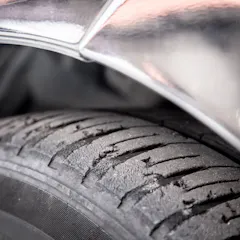
Tiny flakes of plastic, generated by the wear and tear of normal driving, eventually accumulate in the soil, in rivers and lakes, and even in our food.
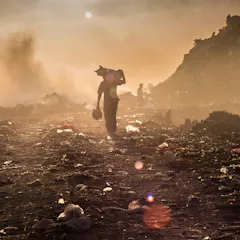
The new global plastics treaty needs to tackle inequalities that surround how plastics are produced, handled, collected or not, and the level of care taken to deal with them.

Plastic pollution in the world’s ecosystems could cost more than $280 trillion in environmental damage. That’s at least $120 trillion higher than the cost of reducing plastic production and pollution.
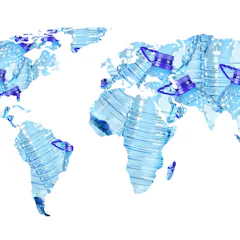
Global action has always been the missing piece of the picture, as the plastics economy transcends national boundaries. A new treaty could change that.

Natural ‘plastic eaters’ could help in the fight against pollution in Africa.

New Zealand’s track record in domestic marine protection is woeful and its proposal to resume oil and gas licensing offshore has been criticised by Pacific island states.
And why wildlife may be the biggest beneficiary.
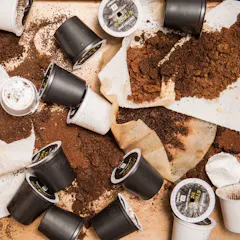
As concern about plastic pollution mounts, the federal government is revising its standards for calling products recyclable. A recent fine against Keurig could be a sign of things to come.
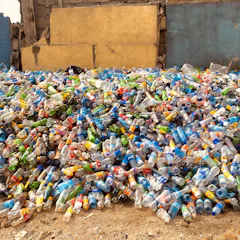
Nigeria is one of the top three plastic pollution hotspots globally.
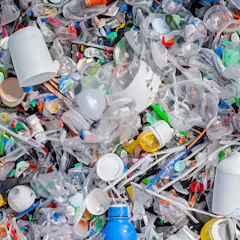
Pinpointing the biggest pollution hotspots helps to design more targeted ways to deal with plastic waste.
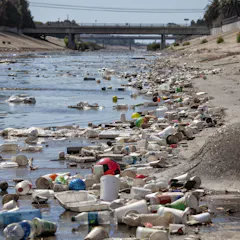
Better measuring standards, more responsibility for producers and an end to single-use products are all positive steps. But the US has not yet endorsed a cap on plastic production.
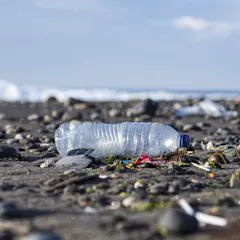
A new study shows up to 90% of floating plastic rubbish is captured in estuaries and inner shorelines. Local community cleanups can make a real difference by stopping pollution at its source.

Litter reduces the beneficial effects of being by the sea.

Brewer’s spent grain, the main waste product from the brewery industry, can be used to produce microbeads, replacing plastic in personal hygiene products.

Millions of people are being urged to take part in Plastic Free July. Yet we know consumer choice is only one part of the picture. Eliminating plastic waste requires broader structural change.
Top contributors
-

Professor of Ocean Policy and Economy, University of Portsmouth
-
Assistant Professor of Ecology and Evolutionary Biology, University of Toronto
-
Director - Global Plastics Policy Centre, University of Portsmouth
-
Senior Principal Research Scientist, Environment, CSIRO
-
Lecturer in Resource Efficiency Systems, School of Civil Engineering, University of Leeds; Imperial College London
-
Associate Professor in Arts and Sustainability, University of Portsmouth
-
Professor, School for Resource and Environmental Studies, Dalhousie University
-
Associate professor, University of Portsmouth
-
Research Chair, Indigenous Approaches to Environmental Management, Keele University
-
Banting Postdoctoral Fellow, Ocean Sciences, Memorial University of Newfoundland
-
Research Associate, Department of Civil and Environmental Engineering, Imperial College London
-
Postdoctoral research fellow, University of the Ryukyus, Okinawa Japan, Madonna University, Nigeria
-
Professor of Geography and Environmental Science, Memorial University of Newfoundland
-
Professor of Sustainable Development, Keele University
-
Professor of Law and Associate Dean for International Affairs, Wake Forest University