
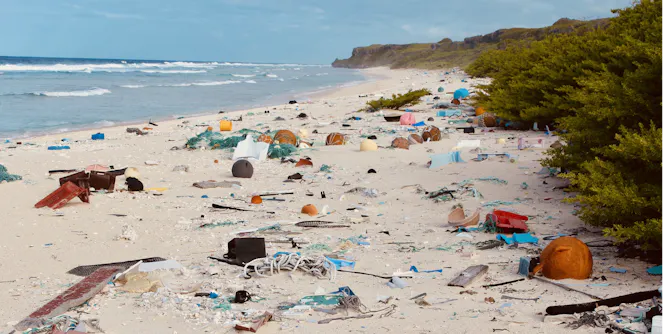
New research from Australia’s national science agency shows a huge amount of ocean plastic ends up on land, where it gets trapped.
Articles on Plastic pollution
Displaying 161 - 180 of 205 articles

Stikeez, the latest collection of plastic collectables from Coles, flies in the face of the company’s plan to become Australia’s most sustainable supermarket.
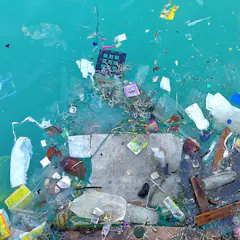
Many studies find microplastics have important negative effects on animals, but others don’t.
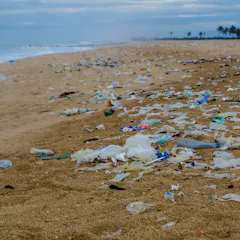
Ghana needs to make use of the fact that people are environmentally conscious.
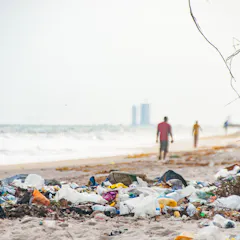
Nigeria’s government must encourage citizens to embrace a system where plastic never become waste.
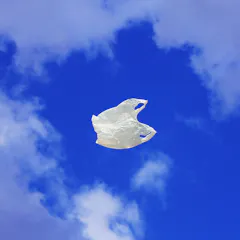
The fossil fuel industry plans to compensate for declining demand for gasoline by flooding the world with more plastic.
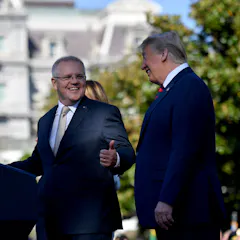
During his week in the United States, the PM tied himself to Trump to a remarkable degree. Though, the Washington days were better than later appearances, which saw Morrison open the China debate.
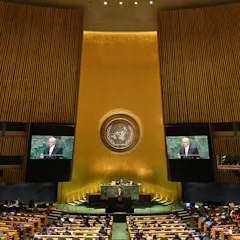
While a new report from the IPCC highlights the need for urgent climate change action, Morrison used his address to the UN to strongly defend the government’s performance on climate change.
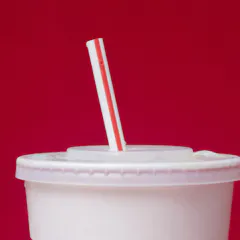
Governments need better information on which types of plastic generate the most pollution — citizens can help.
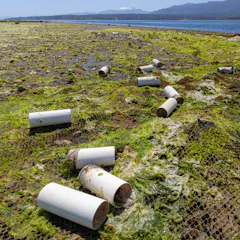
Growing demand for large salt-water clams is leaving parts of the B.C. coast littered with plastic debris.
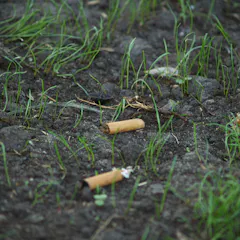
Our experiment shows we need to work out just how damaging discarded cigarettes are to plantlife.

The fervour over plastic waste is not as informed as it ought to be. It is time to focus on more significant dangers to the environment.
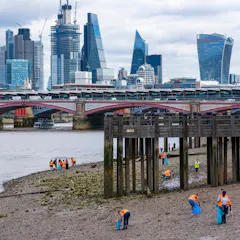
It’s not just the ocean we need to worry about – plastic is accumulating in the world’s rivers, too.
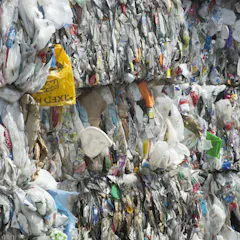
The global focus on plastic pollution isn’t a distraction from other planetary issues.

Ever wondered where the 5p you pay for plastic bags in the UK goes?
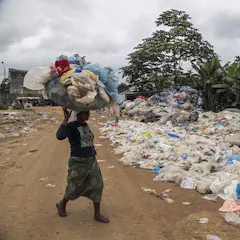
Poorer countries can now refuse shipments of plastic waste and slow the build-up of pollution on their shores.
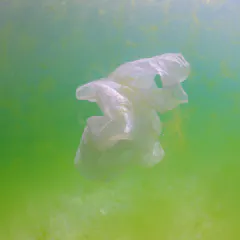
New research shows that chemicals leached from ocean plastic impair the growth and oxygen production of the planet’s most abundant photosynthesiser - endangering marine ecosystems and the climate.
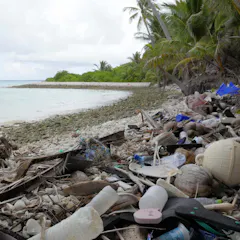
The entire Cocos (Keeling) Island group is a little more than twice the size of the Melbourne CBD. So it’s hard to envision 414 million debris items washed up there.
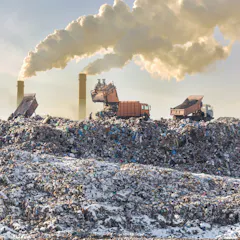
As well as polluting our seas, plastics are warming the planet too. Urgent changes are needed to eliminate plastic’s contribution to climate breakdown.
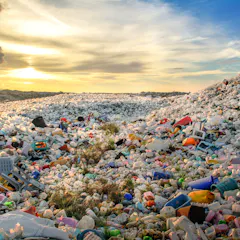
Without action, the amount of plastic waste produced globally could reach as much as 265 million tonnes per year by 2060.
Top contributors
-

Professor of Ocean Policy and Economy, University of Portsmouth
-
Assistant Professor of Ecology and Evolutionary Biology, University of Toronto
-
Director - Global Plastics Policy Centre, University of Portsmouth
-
Senior Principal Research Scientist, Environment, CSIRO
-
Lecturer in Resource Efficiency Systems, School of Civil Engineering, University of Leeds; Imperial College London
-
Associate Professor in Arts and Sustainability, University of Portsmouth
-
Professor, School for Resource and Environmental Studies, Dalhousie University
-
Associate professor, University of Portsmouth
-
Research Chair, Indigenous Approaches to Environmental Management, Keele University
-
Banting Postdoctoral Fellow, Ocean Sciences, Memorial University of Newfoundland
-
Research Associate, Department of Civil and Environmental Engineering, Imperial College London
-
Postdoctoral research fellow, University of the Ryukyus, Okinawa Japan, Madonna University, Nigeria
-
Professor of Geography and Environmental Science, Memorial University of Newfoundland
-
Professor of Sustainable Development, Keele University
-
Professor of Law and Associate Dean for International Affairs, Wake Forest University