
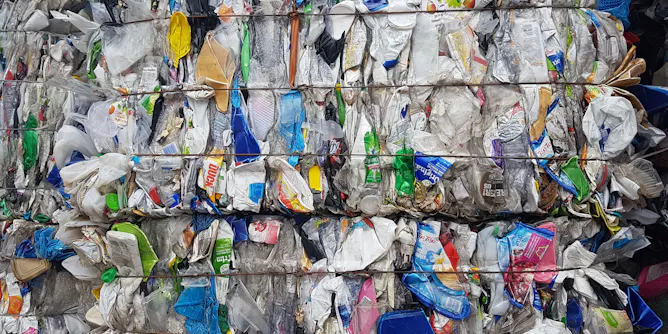
We need a global treaty to combat plastic pollution, but a small group of countries is blocking real action.
Articles on Plastic pollution
Displaying 181 - 200 of 205 articles

Many communities are banning single-use plastic shopping bags to reduce pollution, but a study in California shows that some consumers responded by purchasing more heavy plastic trash bags.
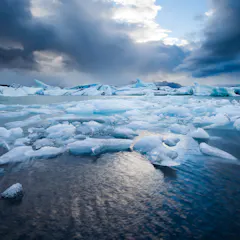
Plastic is not as much of a threat to oceans as climate change or over-fishing.
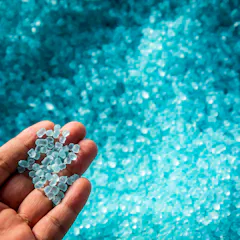
Nurdles are a raw feedstock used to make most of the plastic products we use everyday, but they’re flooding the ocean as “mermaid tears”.
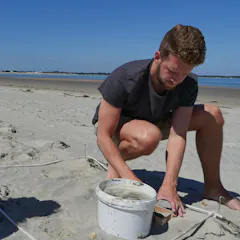
Volunteers from all over the world are taking part in a citizen science project to help scientists work out how bad microplastic pollution really is.
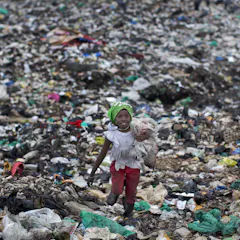
Dozens of cities, states and nations are enacting bans and restrictions on single-use plastic bags and other items. A legal expert explains how a global treaty could build on these efforts.
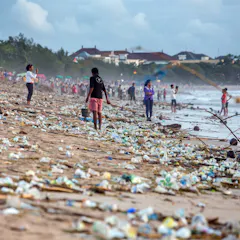
Asian countries have become a dumping ground for the plastic waste from wealthy countries.
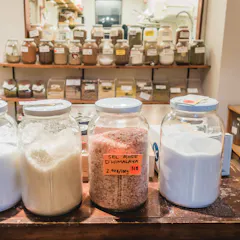
Zero-packaging stores provide a systemic solution to a globalised food industry dependent on plastic packaging.
A plastic bag has an average usage time of 20 minutes, while it can take up to 1000 years to break down in the environment.
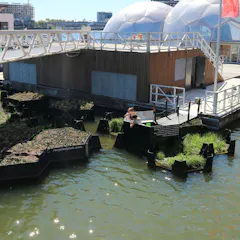
A floating park made from discarded plastic in Rotterdam could spark new thinking on how we manage waste.

The world is waking up to the plastic pollution crisis. Here’s how you can wake up on Christmas morning to a more sustainable holiday.
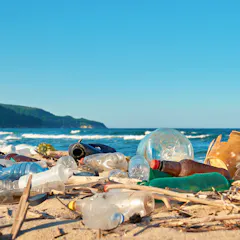
While the world gathers to negotiate on climate change, governments must recognise the public desire for action on plastic pollution and work together to solve it.
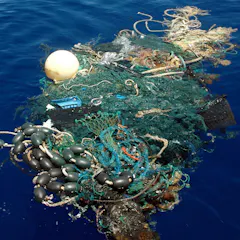
Cleaning up plastic pollution in the ocean is good – and long overdue. But where will the waste go? Recycling isn’t always an option. Bacteria and enzymes could process it, raising new questions.
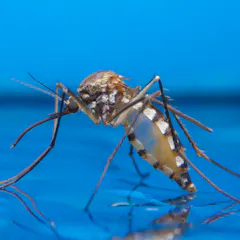
Mosquitoes are transferring microplastics eaten in water into birds and other non-marine animals.
South Africa needs to strengthen its response to plastic pollution.
When it comes to the geological record, airbrushing out humans’ impact on the environment makes little sense.
Every day we throw away plastic and every day we’re reminded of its environmental impact. Why can’t something be done about it?
Tech fixes to environmental problems are guaranteed to grab attention, but real change for the planet requires community organising.
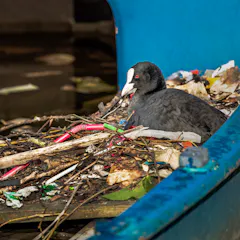
Fast-food restaurants and coffee shops are banishing the straw. While it may seem like a small measure, your pessimism isn’t justified.

New Zealand is home to more seabirds than any other country, and many species are already under pressure from climate change and over-fishing. Plastic pollution could push some closer to the brink.
Top contributors
-

Professor of Ocean Policy and Economy, University of Portsmouth
-
Assistant Professor of Ecology and Evolutionary Biology, University of Toronto
-
Director - Global Plastics Policy Centre, University of Portsmouth
-
Senior Principal Research Scientist, Environment, CSIRO
-
Lecturer in Resource Efficiency Systems, School of Civil Engineering, University of Leeds; Imperial College London
-
Associate Professor in Arts and Sustainability, University of Portsmouth
-
Professor, School for Resource and Environmental Studies, Dalhousie University
-
Associate professor, University of Portsmouth
-
Research Chair, Indigenous Approaches to Environmental Management, Keele University
-
Banting Postdoctoral Fellow, Ocean Sciences, Memorial University of Newfoundland
-
Research Associate, Department of Civil and Environmental Engineering, Imperial College London
-
Postdoctoral research fellow, University of the Ryukyus, Okinawa Japan, Madonna University, Nigeria
-
Professor of Geography and Environmental Science, Memorial University of Newfoundland
-
Professor of Sustainable Development, Keele University
-
Professor of Law and Associate Dean for International Affairs, Wake Forest University