
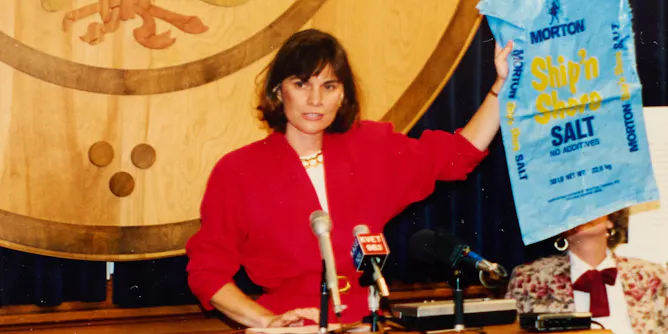
In the 1980s, beach cleanups were envisaged as citizen science, aimed squarely at industrial pollution.
Articles on Ocean plastic pollution
Displaying 1 - 20 of 51 articles

Consumers are often willing to pay more for eco-friendly products – but are they getting what they paid for?
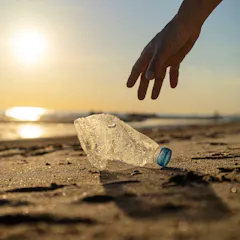
A CSIRO study has found 39% less plastic pollution in and around Australian coastal cities over ten years. It also found more places with no rubbish at all.
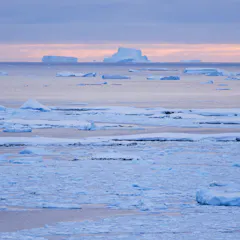
Plastic debris in the sea hosts the plastisphere, a whole new microbial ecosystem.

Plastic pollution in the world’s ecosystems could cost more than $280 trillion in environmental damage. That’s at least $120 trillion higher than the cost of reducing plastic production and pollution.
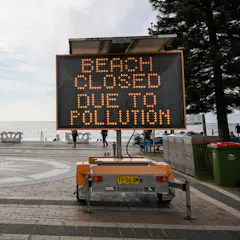
There’s a good chance the objects on Coogee beach are not, as some have suggested, tar balls. But in any case, they pose a potential risk and authorities are right to close the beach.

Since coining the term microplastics 20 years ago on May 7 2004, Richard Thompson reflects on the progress being made to halt plastic pollution.
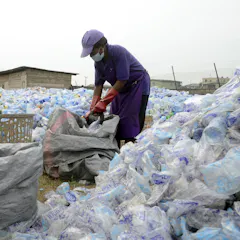
Recycled plastics are not safe if the chemicals used in creating them in the first place are harmful.
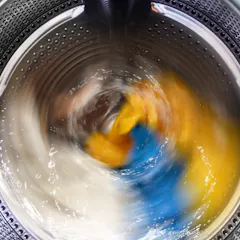
Your washing machine is polluting the ocean.
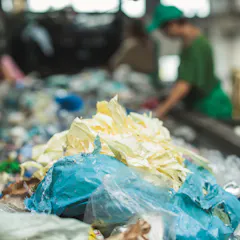
United Nations efforts to advance a global treaty on plastic pollution echo past multilateral agreements that tackled ozone layer depletion and acid rain.
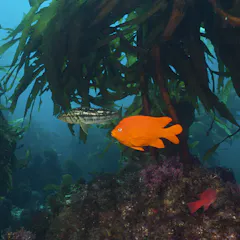
Humans rely on the ocean for food, jobs and other resources, but these systems are being stressed to the brink.
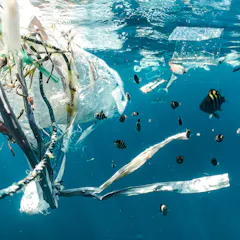
Promoting small actions, such as reducing plastic use, can be a useful entry point for other actions around climate change. It’s an example of ‘positive spillover behaviour’.
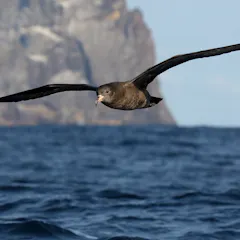
Many marine animals, birds and fish are ingesting plastic. New research identifies the first named health effect from it.
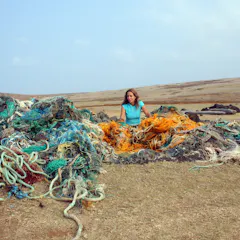
Pam Longobardi collects and documents ocean plastic waste and transforms it into public art and photography. Her work makes statements about consumption, globalism and conservation.
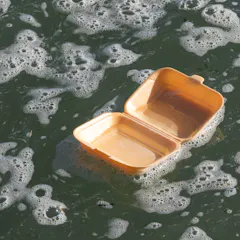
How to make England’s new ban a success.
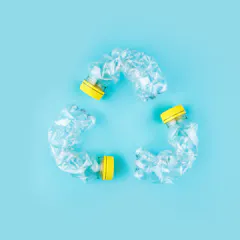
Product standards have real power. We could use them to reduce waste at every part of the plastic lifecycle.
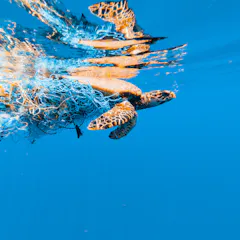
Better enforcement of existing international laws would be a much faster way of addressing plastic pollution from fishing vessels than waiting for a new treaty to be adopted.

Here’s some good environmental news – local governments and local actions have slashed the plastic on our beaches. Incentives, awareness and access are the key.
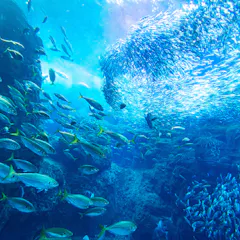
Humans have failed to take good care of the ocean — and the environment at large — because we undervalue its goods and services.
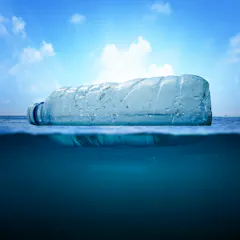
Without action in the next five years, an extra 80 million tonnes of plastic may end up in the ocean by 2040.
Top contributors
-

Senior Principal Research Scientist, Environment, CSIRO
-
Senior Principal Research Scientist, CSIRO
-
Research Scientist, Oceans and Atmospheres, CSIRO
-
Regents' Professor of Art and Design, Georgia State University
-
Professor of Ocean Policy and Economy, University of Portsmouth
-
CSIRO
-
Research Scientist, Stanford University
-
Professor of Environmental Toxicology, Heriot-Watt University
-
Marine Socioecologist, University of Tasmania
-
Associate Professor, Department of Biological and Environmental Sciences, University of Gothenburg
-
Lecturer, School of Agriculture and Food Science & Centre for Biodiversity and Conservation Science, The University of Queensland
-
Assistant Professor, University of California, Irvine
-
Senior Research Fellow in Aquatic Ecology, Charles Darwin University
-
Postdoctoral Research Fellow, University of Warwick
-
Professor Emerita of Biological Sciences, Rutgers University - Newark