
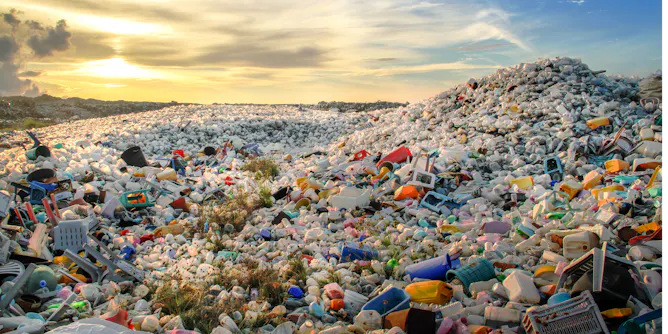
Whether we can recycle plastic or not depends on what it’s made of (because there are many different types of plastic), if it’s sufficiently clean and if enough people will buy recycled products.
Articles on Plastic pollution
Displaying 61 - 80 of 205 articles
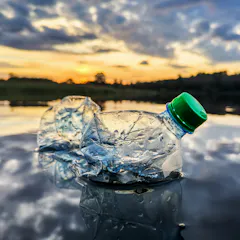
Understanding how plastic pollution moves in rivers is key to effective cleanup strategies.

A new film charts the voyage of an all-women crew who crossed oceans to sample microplastic pollution.
Nanoplastics are the smallest microplastics, far narrower than a human hair. Very little is known about their composition, structure or how they break down in the environment.

Negotiations for a global plastic pollution treaty have hit on production limits for the first time.

Since coining the term microplastics 20 years ago on May 7 2004, Richard Thompson reflects on the progress being made to halt plastic pollution.
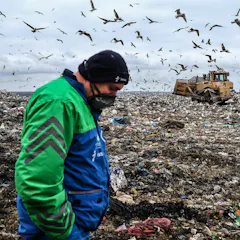
But how the world will get to zero pollution is still uncertain – and production caps are untested.
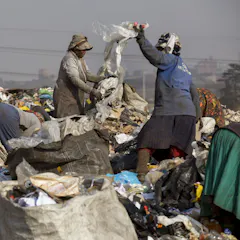
Because waste pickers go through trash and leave behind everything without value, they know better than anyone which plastics should be eliminated.
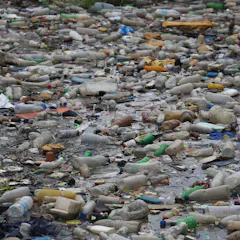
The more plastic, the more waste we produce. It sounds simple, but this discovery could help us find ways of ending plastic pollution.
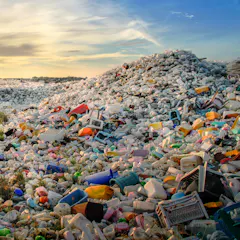
The treaty focuses on ending plastic pollution, not eliminating the use of plastics. But some countries are more ambitious than others.
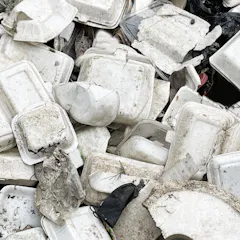
Plastic tax would work better than a ban in Lagos, Nigeria.

Australia’s Soft Plastics Taskforce has been under pressure to fill the vacuum left by the demise of REDcycle. But this time the small trial announced for Melbourne has the potential to succeed.
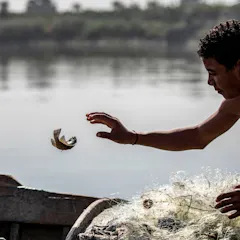
The River Nile is contaminated with microplastics.
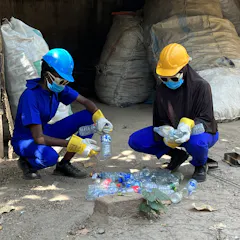
Banning single-use plastics in Nigeria is a step in the right direction. But its success will depend on provisions made for enforcement.
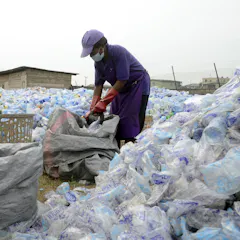
Recycled plastics are not safe if the chemicals used in creating them in the first place are harmful.
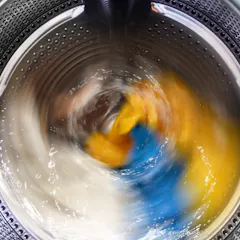
Your washing machine is polluting the ocean.

Five reasons to avoid glitter, even on Christmas cards or baubles.
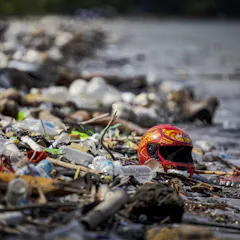
A central question remains unresolved in the draft treaty: Is plastic pollution basically a waste management problem, or can it be solved only with a cap on production?
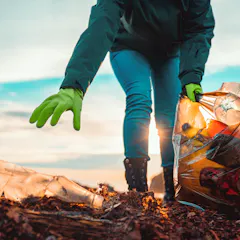
Media coverage of the dangers of plastic pollution can distract from what is actually needed, says an author.
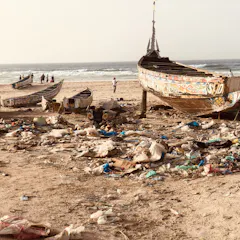
Initiating a circular economy can help coastal west African countries to address plastic pollution with a World Bank fund.
Top contributors
-

Professor of Ocean Policy and Economy, University of Portsmouth
-
Assistant Professor of Ecology and Evolutionary Biology, University of Toronto
-
Director - Global Plastics Policy Centre, University of Portsmouth
-
Senior Principal Research Scientist, Environment, CSIRO
-
Lecturer in Resource Efficiency Systems, School of Civil Engineering, University of Leeds; Imperial College London
-
Associate Professor in Arts and Sustainability, University of Portsmouth
-
Professor, School for Resource and Environmental Studies, Dalhousie University
-
Associate professor, University of Portsmouth
-
Research Chair, Indigenous Approaches to Environmental Management, Keele University
-
Banting Postdoctoral Fellow, Ocean Sciences, Memorial University of Newfoundland
-
Research Associate, Department of Civil and Environmental Engineering, Imperial College London
-
Postdoctoral research fellow, University of the Ryukyus, Okinawa Japan, Madonna University, Nigeria
-
Professor of Geography and Environmental Science, Memorial University of Newfoundland
-
Professor of Sustainable Development, Keele University
-
Professor of Law and Associate Dean for International Affairs, Wake Forest University