
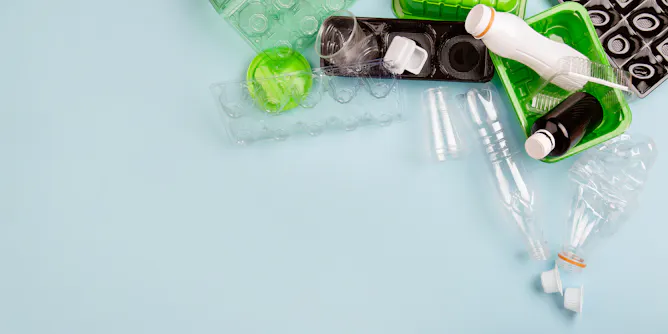
Plastic pollution is often hidden in plain sight – behind positive “eco” or “recyclable” labels, within supply chains and under the convenience of online shopping.
Articles on Global plastics treaty
Displaying 1 - 20 of 25 articles
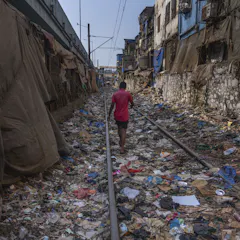
Cleanup is needed to mitigate ecological, economic and social impacts of plastic pollution now and in the future.
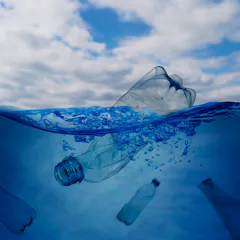
Global plastics treaty talks in Geneva have ended without agreement after more than three years of negotiations.
Political disagreements are stalling talks at the UN global plastic treaty negotiations, but tangible outcomes are vital for the health of people and planet.
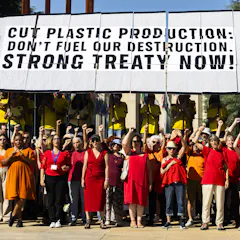
Negotiators in Geneva face a critical moment to agree a Global Plastics Treaty before talks end, with the planet’s future at stake.
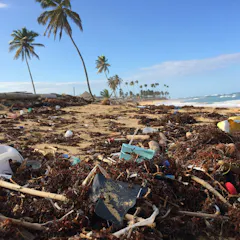
Scientists are discovering more microbes with the natural ability to break down plastic.

Lobbyists and petrostates want to avoid a strong focus on human health in the impending global treaty on plastic pollution.
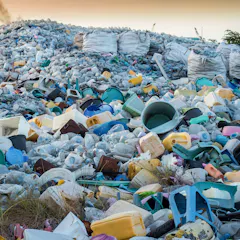
Right now, nations are negotiating the details of a treaty designed to slash plastic waste. One option on the table: tax new plastic to discourage overproduction.
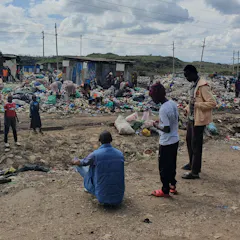
Arts-based research methods are bringing fresh perspectives as the world seeks much-needed solutions to plastic pollution.
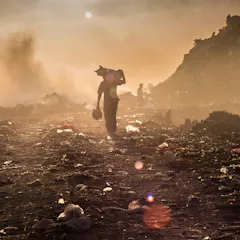
The new global plastics treaty needs to tackle inequalities that surround how plastics are produced, handled, collected or not, and the level of care taken to deal with them.
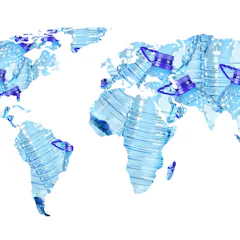
Global action has always been the missing piece of the picture, as the plastics economy transcends national boundaries. A new treaty could change that.
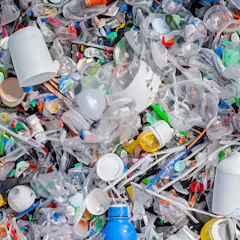
Pinpointing the biggest pollution hotspots helps to design more targeted ways to deal with plastic waste.
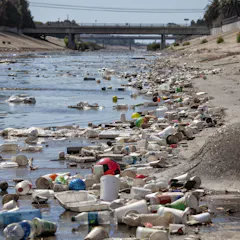
Better measuring standards, more responsibility for producers and an end to single-use products are all positive steps. But the US has not yet endorsed a cap on plastic production.
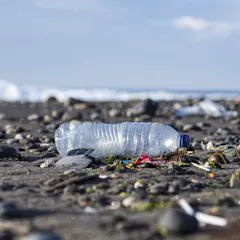
A new study shows up to 90% of floating plastic rubbish is captured in estuaries and inner shorelines. Local community cleanups can make a real difference by stopping pollution at its source.

Since coining the term microplastics 20 years ago on May 7 2004, Richard Thompson reflects on the progress being made to halt plastic pollution.
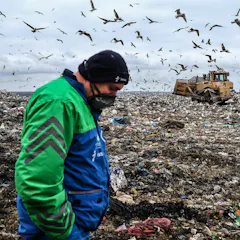
But how the world will get to zero pollution is still uncertain – and production caps are untested.
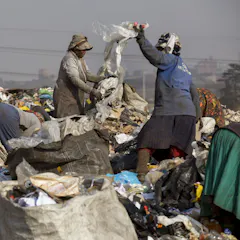
Because waste pickers go through trash and leave behind everything without value, they know better than anyone which plastics should be eliminated.
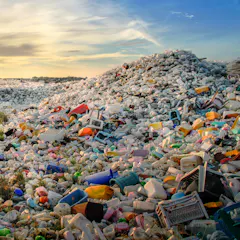
The treaty focuses on ending plastic pollution, not eliminating the use of plastics. But some countries are more ambitious than others.
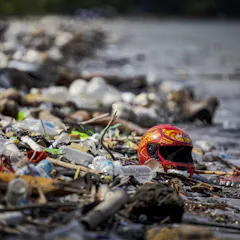
A central question remains unresolved in the draft treaty: Is plastic pollution basically a waste management problem, or can it be solved only with a cap on production?
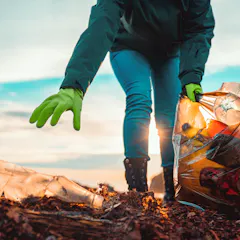
Media coverage of the dangers of plastic pollution can distract from what is actually needed, says an author.
Top contributors
-

Professor of Ocean Policy and Economy, University of Portsmouth
-
Associate Professor in Arts and Sustainability, University of Portsmouth
-
Lecturer in Resource Efficiency Systems, School of Civil Engineering, University of Leeds; Imperial College London
-
Professor of Law and Associate Dean for International Affairs, Wake Forest University
-
Director - Global Plastics Policy Centre, University of Portsmouth
-
Professor of Marine Biology, University of Plymouth
-
Senior Scientist, Carbon Cycle Modeller, GNS Science
-
Chair professor, University of Strathclyde
-
Associate Professor of Sociology, University of Johannesburg
-
Associate Professor in Physical Oceanography, University of Auckland, Waipapa Taumata Rau
-
PhD Candidate in Seabird Ecology, University of Cambridge
-
Professor in Law, University of Canterbury
-
Graduate Student, University of Victoria
-
Research Assistant in Environmental Science, University of Auckland, Waipapa Taumata Rau
-
Professor of Environmental Science, University of Auckland, Waipapa Taumata Rau