
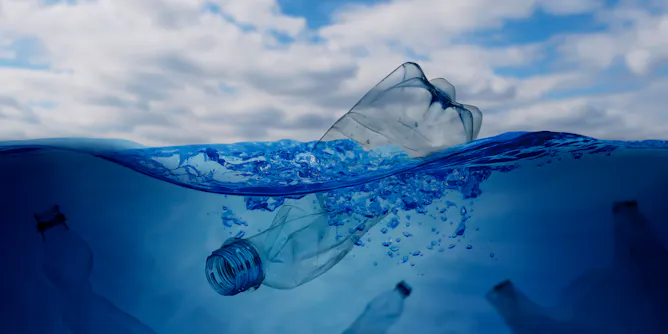
Global plastics treaty talks in Geneva have ended without agreement after more than three years of negotiations.
Articles on Plastic pollution
Displaying 21 - 40 of 205 articles
Political disagreements are stalling talks at the UN global plastic treaty negotiations, but tangible outcomes are vital for the health of people and planet.
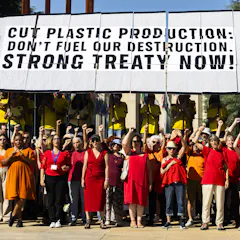
Negotiators in Geneva face a critical moment to agree a Global Plastics Treaty before talks end, with the planet’s future at stake.
Scientists are discovering more microbes with the natural ability to break down plastic.

Lobbyists and petrostates want to avoid a strong focus on human health in the impending global treaty on plastic pollution.
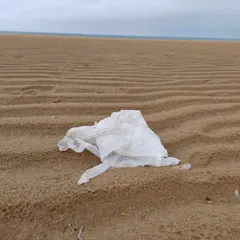
While non-plastic textiles are not as long-lived as plastics, they can last long enough to accumulate and cause damage to plants, animals and humans.
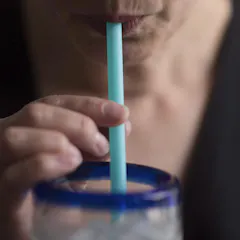
A healthy and sustainable planet means supporting action based on scientific evidence, not misinforming people with catchy phrases and political rhetoric.
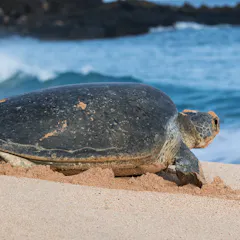
New research estimates that approximately 60 tonnes of plastic debris discarded in the ocean reside within female green turtles at any given time.
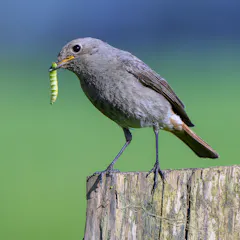
Scientists have tracked microplastics in small creatures in the UK.

Sharing the stories of progress and innovation that show how our patches of the sea are recovering can show what’s possible and inspire further positive action.
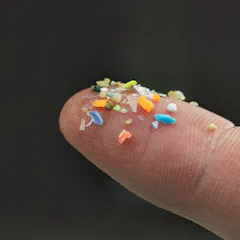
Microplastics are accumulating in our food, water, air and bodies – yet UK regulations aren’t designed to reduce them.

Not all plastic is the same. Old yogurt cups and milk jugs, for example, don’t play well together when being turned into new materials. However, there are solutions.
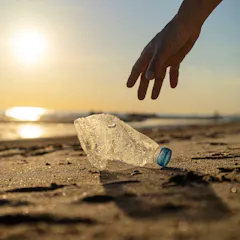
A CSIRO study has found 39% less plastic pollution in and around Australian coastal cities over ten years. It also found more places with no rubbish at all.
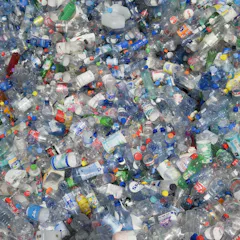
Pyrolysis breaks down plastic and generates potentially useful oil − but it’s not a silver bullet for the planet.
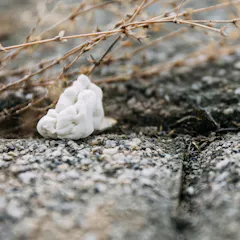
The reality is that chewing gum is just another form of plastic pollution, but it is not treated as such.

Bioplastics can be made out of natural fibres such as bamboo, hemp, plants or algae.

A bird might look and act outwardly healthy – but on the inside, ingested plastics are slowly wreaking havoc.
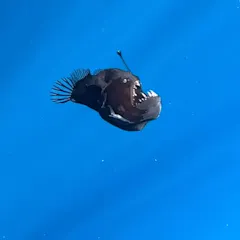
An unprecedented sighting of a “black seadevil” fish in surface waters triggered a global outpouring of empathy for the deep sea.
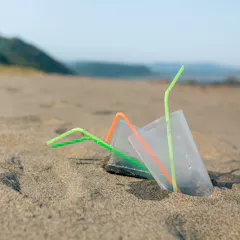
Paper straws aren’t a viable alternative to plastic. But a single fail won’t change the trajectory.
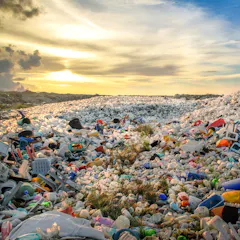
How oil changed capitalism.
Top contributors
-

Professor of Ocean Policy and Economy, University of Portsmouth
-
Assistant Professor of Ecology and Evolutionary Biology, University of Toronto
-
Director - Global Plastics Policy Centre, University of Portsmouth
-
Senior Principal Research Scientist, Environment, CSIRO
-
Lecturer in Resource Efficiency Systems, School of Civil Engineering, University of Leeds; Imperial College London
-
Associate Professor in Arts and Sustainability, University of Portsmouth
-
Professor, School for Resource and Environmental Studies, Dalhousie University
-
Associate professor, University of Portsmouth
-
Research Chair, Indigenous Approaches to Environmental Management, Keele University
-
Banting Postdoctoral Fellow, Ocean Sciences, Memorial University of Newfoundland
-
Research Associate, Department of Civil and Environmental Engineering, Imperial College London
-
Postdoctoral research fellow, University of the Ryukyus, Okinawa Japan, Madonna University, Nigeria
-
Professor of Geography and Environmental Science, Memorial University of Newfoundland
-
Professor of Sustainable Development, Keele University
-
Professor of Law and Associate Dean for International Affairs, Wake Forest University