
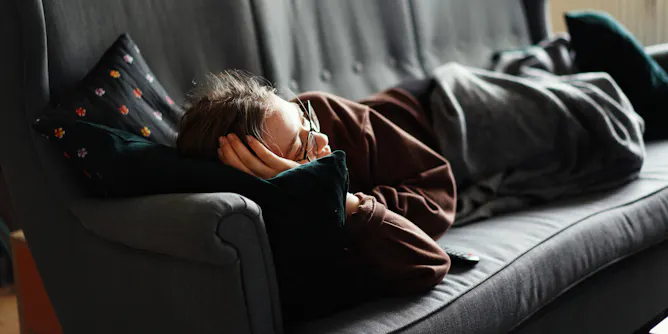
Physical activity levels decline during the teenage years. Introducing your teen to high-intensity interval training (HIIT) is one way to get them moving and feeling better.
Articles on Physical activity
Displaying 101 - 120 of 262 articles
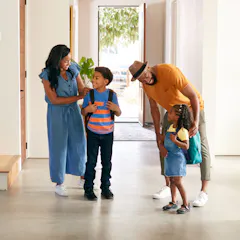
Family routines can provide stability during times of stress. Here are four strategies for building resilience against stress and family challenges to put into place as children head back to school.
All event organizers should be prepared for emergencies and have a communication plan.
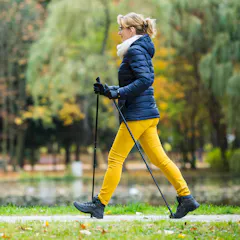
Using poles while you walk can be a great, low-impact way to exercise.
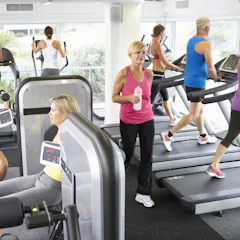
So-called ‘weekend warriors’ had a 30% lower risk of death from any cause compared to those who never exercised.
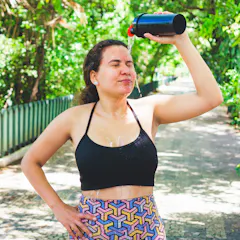
The most important thing is to listen to your body in order to avoid heat illness.
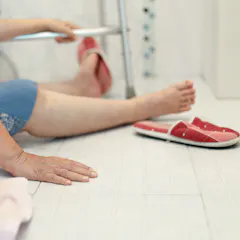
Exercise that targets balance and strength is the most effective for reducing the risk of falls.
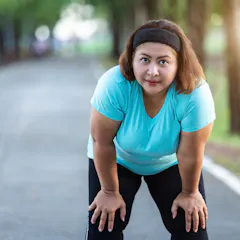
During spring and summer, as more people consider exercising outdoors, a trauma- and violence-informed approach to physical activity can help ensure equity, inclusion, safety and access.
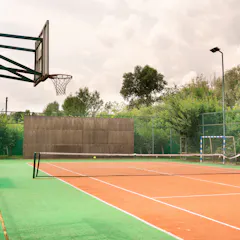
Voters need to hold political candidates and their parties to account on sport and recreation issues and advocate for support from provincial and territorial governments.
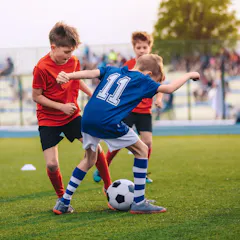
A new study looks at UK kids’ physical activity levels once COVID restrictions had begun to lift compared with before the pandemic.
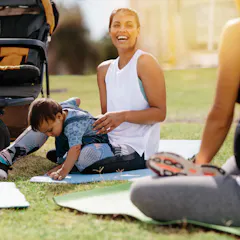
Mothers with young children are consistently identified as having lower levels of physical activity and leisure opportunities, which place their physical and mental health at risk.
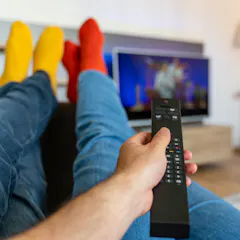
Research is revealing that fitness trackers alone can be helpful facilitators toward changing a sedentary lifestyle but don’t motivate people to increase their physical activity.
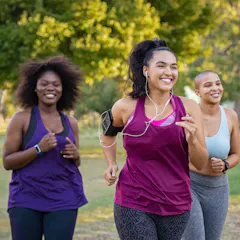
There are benefits to group exercise, but relying too much on a group may leave people less resilient for solo exercise, especially if suddenly cut off from a group as many were during COVID-19.
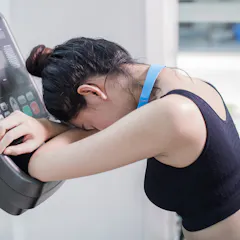
Despite knowing the health benefits of exercise and the harms of inactivity, many of us still struggle to find the motivation to get moving.
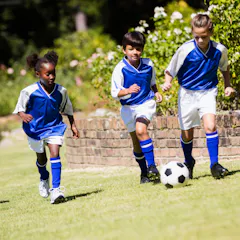
Parents in a study discussed barriers and opportunities in encouraging children’s physical movement during COVID-19 — from arguing about warm clothing for outdoor play to finding local hiking trails.
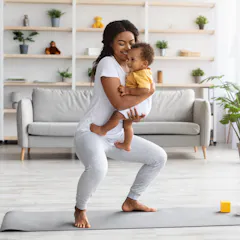
When asked about postpartum exercise, women were curious about strategies and recommendations for physical activity after the birth of a child, including finding the time, energy and motivation.
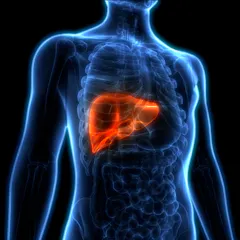
Non-alcoholic fatty liver disease is surprisingly common, affecting about one in four adults. Eating processed foods and sugary drinks can increase the risk of developing the disease.
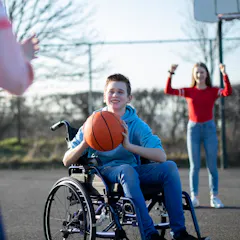
We helped develop the UK’s first physical activity guidelines for disabled children and young people.
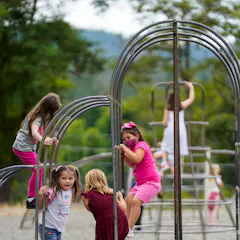
The physical activity and social connection that take place at recess help children be more engaged once back in the classroom.
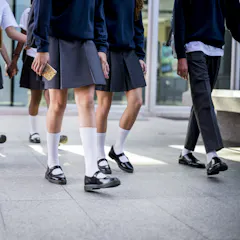
Debating whether school uniforms are good or bad sidesteps a bigger issue: students – especially girls – need better designed garments that support their learning and well-being.
Top contributors
-

Lecturer in Exercise Science, Adelaide University
-
Professor, research professor in exercise, nutrition and activity, Adelaide University
-
Deakin Distinguished Professor, Faculty of Health, Deakin University
-
Professor of Physical Activity, Lifestyle, and Population Health, University of Sydney
-
Lecturer in Physiotherapy, Adelaide University
-
Professor of Health Sciences, Adelaide University
-
Professor and Director of the Child Health and Physical Activity Lab, Western University
-
Associate Professor of Education, Charles Sturt University
-
Research Fellow, Allied Health & Human Performance, Adelaide University
-
Adjunct Research Fellow, School of Human Sciences, The University of Western Australia
-
Associate Professor of Digital Health, Monash University
-
Professor, Victoria University
-
Senior Lecturer in Health and Physical Education, University of Tasmania
-
Associate Professor, Physiotherapy, Trinity College Dublin
-
Ken Nosaka is a Friend of The Conversation.
Professor of Exercise and Sports Science, Edith Cowan University